
Table of Contents
Early Morning Journey: Basirat Adeleke’s Determined Walk to School
Before dawn breaks, 12-year-old Basirat Adeleke embarks on her daily trek from Olubadan, a small settlement of earthen homes nestled near the forested area of Oluyole Local Government. Clutching two exercise books secured in a worn black plastic bag, she covers nearly four kilometres to reach the community school located in Olunde.
Challenges of Rural Education Access
Basirat’s journey highlights the broader issue faced by many children in rural Nigeria, where educational facilities are often distant and infrastructure limited. According to the National Bureau of Statistics, over 30% of children in rural areas must travel more than 3 kilometres to attend primary school, a factor contributing to high dropout rates.
Resilience Amidst Limited Resources
Despite the physical and environmental obstacles, Basirat’s commitment to learning remains unwavering. Her daily walk through uneven terrain and dense vegetation is a testament to the determination exhibited by countless students in underserved communities. This perseverance is crucial in regions where educational attainment is a key driver for socio-economic advancement.
Community Schools: A Beacon of Hope
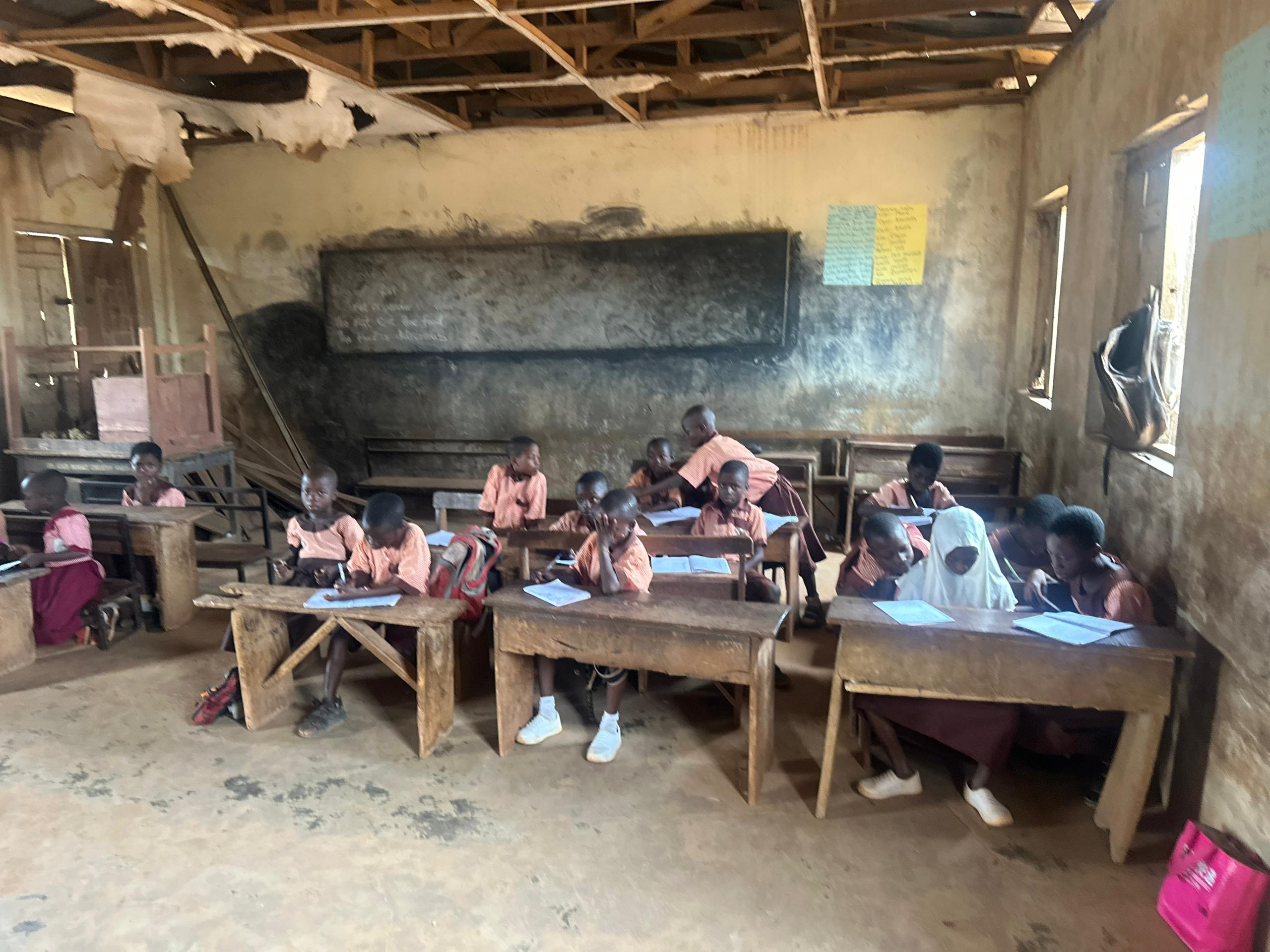
The community school in Olunde serves as a vital educational hub, providing foundational learning opportunities to children like Basirat. These schools, often supported by local initiatives and NGOs, play an essential role in bridging the educational gap in remote areas. Recent data from UNICEF indicates that community-based education programs have increased enrolment rates by 15% in similar regions over the past five years.
Looking Ahead: Improving Rural Education Infrastructure
Efforts to enhance rural education infrastructure are gaining momentum, with government and private sector partnerships focusing on building more accessible schools and improving transportation options. For example, pilot projects introducing bicycle programs for students have shown promising results in reducing travel time and increasing attendance.
Conclusion: The Power of Determination
Basirat Adeleke’s story is emblematic of the resilience and hope that define many young learners in Nigeria’s rural communities. Her daily journey underscores the urgent need for continued investment in educational infrastructure and support systems to ensure every child has the opportunity to succeed.
