
Table of Contents
Nationwide Cervical Cancer Screening and Treatment Campaign Launched in Ethiopia
Collaborative Effort to Combat Cervical Cancer Across Six Regions
On November 7, 2025, Ethiopia’s Ministry of Health (MOH), in partnership with the World Health Organization (WHO) and backed financially by the Spanish Agency for International Development Cooperation (AECID), inaugurated a comprehensive month-long campaign targeting cervical cancer screening and treatment. This initiative spans six key regions: Addis Ababa, Amhara, Central Ethiopia, Oromia, Sidama, and Southern Ethiopia.
Strategic Alignment with Global Health Goals
This ambitious program represents a pivotal step in Ethiopia’s commitment to eradicating cervical cancer as a public health menace. It aligns closely with the WHO Global Strategy’s 90-70-90 targets, aiming for 90% HPV vaccination coverage, 70% screening coverage, and 90% treatment of precancerous lesions by 2030.
Launch Event Highlights and Stakeholder Engagement
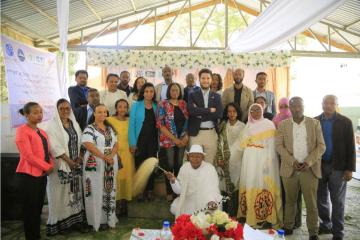
The campaign’s official launch took place at the Nifas Silk Lafto Sub-City Woreda 1 Health Center in Addis Ababa. The ceremony was attended by prominent figures including Dr. Hiwot Solomon, Head of the Disease Prevention and Control Department; Dr. Sena Dhugasa, Advisor to the State Minister; Dr. Sarai Malumo, WHO Ethiopia’s DPC Cluster Lead; Mr. Hangatu Getu from the Addis Ababa City Health Bureau; representatives from AECID; partner organizations; and community leaders. The event featured opening speeches, a tour of the health facility, community outreach activities, survivor testimonials, and live cervical cancer screening and treatment demonstrations.
The Burden of Cervical Cancer in Ethiopia
Cervical cancer remains a leading cause of cancer mortality among Ethiopian women. According to the latest GLOBOCAN 2020 data, approximately 7,445 new cases and 5,338 deaths occur annually. Alarmingly, over 80% of these cases are diagnosed at advanced stages, primarily due to limited screening availability, low public awareness, and socioeconomic challenges. Women living with HIV face a sixfold increased risk of developing cervical cancer, underscoring the urgency for integrated prevention and treatment services.
Screening and Treatment Targets and Methods
The campaign aims to screen around 267,662 women aged 30 to 49, including HIV-positive women aged 15 to 49. Screening methods include Visual Inspection with Acetic Acid (VIA) and HPV DNA testing where accessible. Women who test positive will receive prompt treatment through cryotherapy, thermal ablation, or Loop Electrosurgical Excision Procedure (LEEP), ensuring seamless care within primary healthcare settings.
Expert Insights and WHO’s Commitment
During the launch, Dr. Sarai Malumo emphasized that cervical cancer is largely preventable and curable if detected early. She reiterated WHO’s dedication to supporting Ethiopia in scaling up HPV vaccination programs, broadening access to screening and treatment, and integrating these services into the wider noncommunicable disease (NCD) framework. “This campaign represents a beacon of hope and decisive action,” Dr. Malumo stated. “It transforms global strategies into tangible local outcomes, striving to eliminate preventable deaths among women.”
Funding, Planning, and Capacity Building
The campaign builds upon a joint microplanning workshop held in July 2025 in Bishoftu, which crafted customized regional strategies for the six participating areas. WHO has allocated nearly USD 47,826 to support regional activities and is procuring 30 additional thermal ablation devices to enhance treatment capacity. This effort complements previous funding from the Norwegian Agency for Development Cooperation (Norad), which equipped 87 primary healthcare facilities with essential equipment.
Outreach Strategies and Monitoring
To maximize reach, the campaign employs both facility-based services and mobile outreach units, targeting women in remote and underserved communities. Health Extension Workers (HEWs), women’s associations, and religious leaders play a vital role in mobilizing communities. Progress will be meticulously tracked through standardized registers and digital reporting tools, enabling real-time monitoring and data-driven adjustments.
Anticipated Impact and National Recognition
In Addis Ababa alone, the campaign expects to screen over 16,500 women, with a goal of achieving 90% treatment coverage among those diagnosed. Public awareness will be amplified through national media campaigns, while partnerships with local organizations will be strengthened to ensure sustainability. This initiative also coincides with Ethiopia’s accolade as a 2024 UN Interagency Task Force on NCDs Award recipient, recognizing its leadership in cervical cancer elimination and integrated NCD care.
Call to Action for Women and Communities
The Ministry of Health urges all women aged 30 to 49, particularly those living with HIV, to take advantage of this opportunity by visiting nearby health facilities for screening. Community members, local authorities, and media outlets are encouraged to actively support this historic campaign, advancing Ethiopia’s vision of a cervical cancer-free future.
