
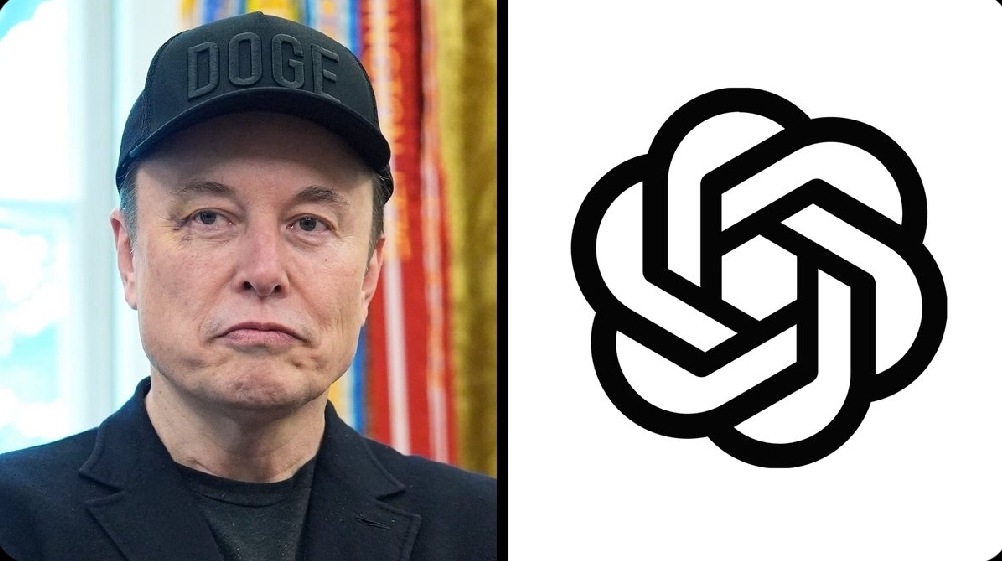
A U.S. jury has ruled against tech entrepreneur Elon Musk in his legal challenge against OpenAI, concluding that the company cannot be held responsible for allegations that it abandoned its original mission of developing artificial intelligence solely for humanity’s benefit.
The case drew global attention because Musk was among OpenAI’s early supporters before later becoming one of its most vocal critics. He argued that the organization had shifted toward commercial interests rather than maintaining a strictly humanitarian focus. The jury’s decision effectively affirms OpenAI’s right to evolve its operational structure while pursuing large-scale AI development.
Legal experts say the ruling could shape how future AI organizations balance nonprofit origins with commercial expansion. As artificial intelligence becomes one of the most economically transformative technologies of the century, debates over ethics, profit motives, and societal responsibility are expected to intensify.
The verdict highlights the growing legal complexity surrounding AI governance and ownership in an industry moving faster than regulatory frameworks can adapt.
