
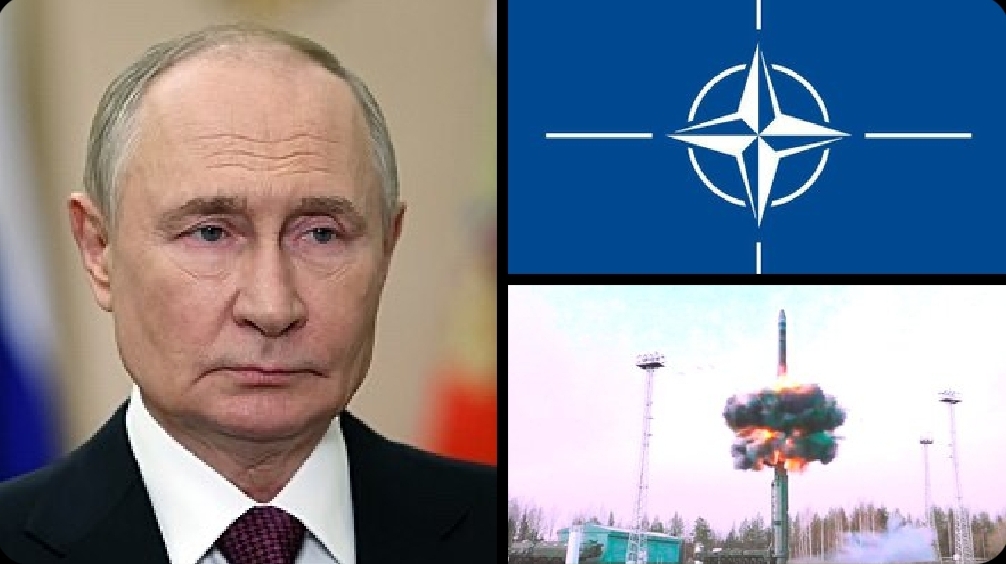
Global security anxieties rose sharply after Russia warned that the risk of a direct confrontation with NATO is increasing, coinciding with the start of a three-day nuclear military exercise. The announcement adds another layer of tension to already strained relations between Moscow and Western military alliances.
Military drills involving nuclear capabilities are often designed as strategic signaling rather than preparation for immediate conflict. Nevertheless, such exercises carry powerful psychological and diplomatic implications, reinforcing deterrence messaging while escalating geopolitical rhetoric. NATO officials have consistently emphasized defensive positioning, while Russia argues that alliance expansion near its borders represents a strategic threat.
The renewed warnings reflect a broader deterioration in trust between nuclear-armed powers. Analysts caution that heightened military signaling increases the possibility of miscalculation, where routine exercises or troop movements could be misinterpreted as aggression. In an era where communication channels between rival powers remain fragile, even symbolic demonstrations of nuclear readiness resonate far beyond military strategy, influencing global markets and international diplomacy.
