
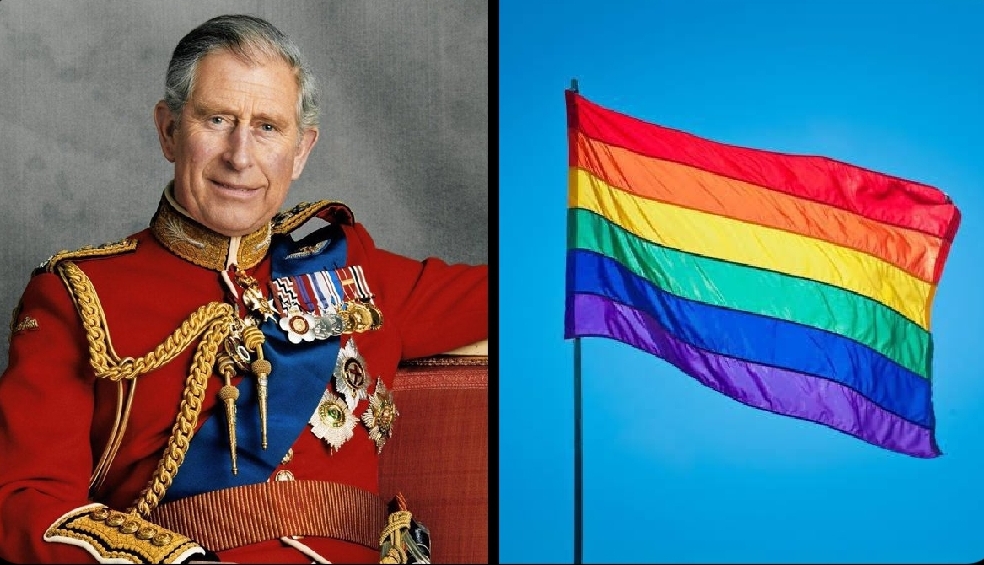
In a significant development for LGBTQ+ rights in the United Kingdom, King Charles III delivered the 2026 King’s Speech on May 14, reaffirming the Labour government’s commitment to tackling what it describes as abusive conversion practices. During the State Opening of Parliament, the monarch announced plans for a draft Conversion Practices Bill, explicitly framing efforts to change or suppress an individual’s sexual orientation or gender identity as forms of abuse. This move fulfills a longstanding manifesto pledge and marks the latest push in a legislative journey that has spanned multiple governments and years of debate.
The announcement comes as part of a broader legislative agenda outlined in the speech, which also included measures on housing remediation and other domestic priorities. According to background notes and addendums released alongside the address, the proposed legislation is designed to be trans-inclusive, covering both sexual orientation and gender identity. “Conversion practices are abuse, and the government will deliver the manifesto commitment to bring forward a trans-inclusive ban on conversion practices,” the official documentation stated. The draft bill will undergo pre-legislative scrutiny, allowing input from experts, stakeholders, advocacy groups, and affected communities before any final version proceeds through Parliament
This is not the first time such a commitment has appeared in a King’s Speech. Similar pledges were made in previous years, including 2024, but progress stalled, leading to criticism from campaigners who argued that vulnerable LGBTQ+ individuals continue to face harm from practices ranging from talk therapy aimed at “curing” homosexuality or transgender identity to more extreme interventions. Supporters, including organizations like Stonewall and the Ban Conversion Practices coalition, hail the announcement as a vital step toward protecting people—particularly young people—from coercive or pseudoscientific efforts that have been widely discredited by major medical bodies. They argue that such practices contribute to higher rates of mental health issues, including depression, anxiety, and suicidality among those subjected to them.
However, the proposal has also sparked concerns among critics, including some religious groups, free speech advocates, and clinicians specializing in gender dysphoria. Opponents worry that a broad definition of “conversion practices” could inadvertently criminalize or chill legitimate exploratory therapy, pastoral counseling, religious beliefs, or even parental discussions with children experiencing gender distress. The Christian Institute and others have highlighted potential conflicts with rights to religious expression and have called for careful safeguards in the draft bill to avoid overreach. The government has maintained that the legislation “is not intended to interfere with people’s right to religious belief and expression,” but the exact wording and scope will be crucial as the draft is published and scrutinized.
The visual pairing of the King’s formal portrait with Pride symbolism in widespread social media coverage has amplified the story, symbolizing for many a modern monarchy aligning with progressive social values. As the UK moves forward with this draft bill, it joins a growing number of jurisdictions worldwide that have enacted or are considering bans on conversion therapy. The coming months of scrutiny will likely feature intense parliamentary debates, expert testimonies, and public consultations, determining whether the final law strikes an effective balance between protection and personal freedoms.
This development underscores ongoing cultural and political tensions around gender and sexuality in Britain, especially amid evolving scientific discussions on youth transitions and the long-term outcomes of affirmative care. For the LGBTQ+ community, it represents hope for greater safeguards; for others, it raises questions about the boundaries of state intervention in deeply personal and ideological matters. As the draft bill emerges, all eyes will be on how policymakers navigate these complexities.
