
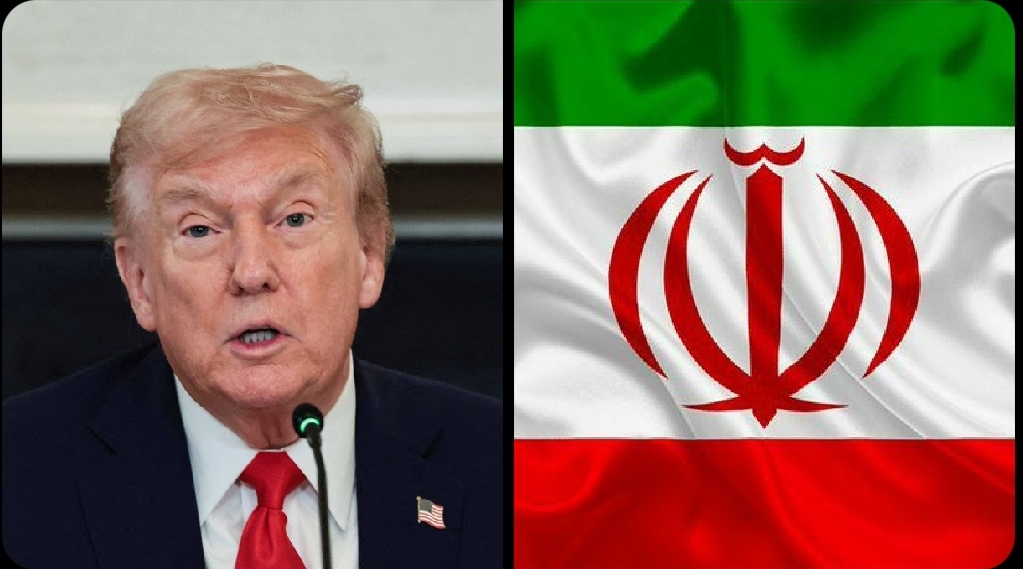
The global geopolitical atmosphere has taken another tense turn after Donald Trump declared that the war involving Iran is far from over, suggesting that military operations could continue for at least two more weeks with additional strikes targeting remaining strategic locations. The statement comes amid fragile diplomacy efforts that had raised hopes of de-escalation, but recent developments now suggest the conflict may instead be entering a new and potentially more dangerous stage.
Trump’s comments follow the rejection of Iran’s latest response to a U.S. ceasefire proposal, which he described as “totally unacceptable,” signaling frustration within Washington over stalled negotiations and widening differences on how the war should end. Reports indicate that Iran demanded sweeping concessions including sanctions relief, an end to military blockades, and broader guarantees across regional conflicts—conditions the U.S. administration has so far refused to accept.
Behind the rhetoric lies a complex military reality. While American officials claim significant progress has already been made against Iranian military infrastructure, including missile and naval capabilities, Trump has suggested that roughly 70 percent of operational targets have been struck, leaving enough remaining objectives to justify continued operations. His statement that the United States could “go in for two more weeks and do every single target” reflects a strategy aimed not merely at pressure but at achieving decisive military leverage before returning fully to negotiations.
The announcement also exposes a broader strategic dilemma. On one hand, Washington continues to signal openness to diplomacy and a negotiated settlement; on the other, the threat of intensified strikes risks provoking retaliation across the Middle East, where drone incidents and maritime tensions have already tested an uneasy ceasefire environment. Analysts warn that each escalation increases the possibility of regional spillover involving Gulf states, energy routes, and international shipping lanes critical to global oil supply stability.
Economically, the uncertainty surrounding the conflict has kept global markets on edge. Oil prices, shipping insurance costs, and investor confidence remain highly sensitive to statements coming from Washington and Tehran. Every new deadline or warning has immediate ripple effects across energy markets and geopolitical alliances, illustrating how modern conflicts are fought not only on battlefields but also through economic pressure and strategic messaging.
Diplomatically, world leaders now face a familiar challenge: navigating between supporting deterrence and preventing a wider war. Trump’s declaration that the conflict is not finished undermines earlier expectations that negotiations were nearing a breakthrough, reinforcing concerns that the war’s objectives remain fluid and politically driven as much as militarily defined.
As the situation evolves, the next two weeks could prove decisive. Either sustained military pressure forces renewed negotiations, or continued escalation deepens one of the most volatile confrontations in recent Middle Eastern history. For now, Trump’s message to both allies and adversaries is unmistakable — the war with Iran has not reached its final chapter, and the world must prepare for further developments before any lasting peace becomes possible.
