
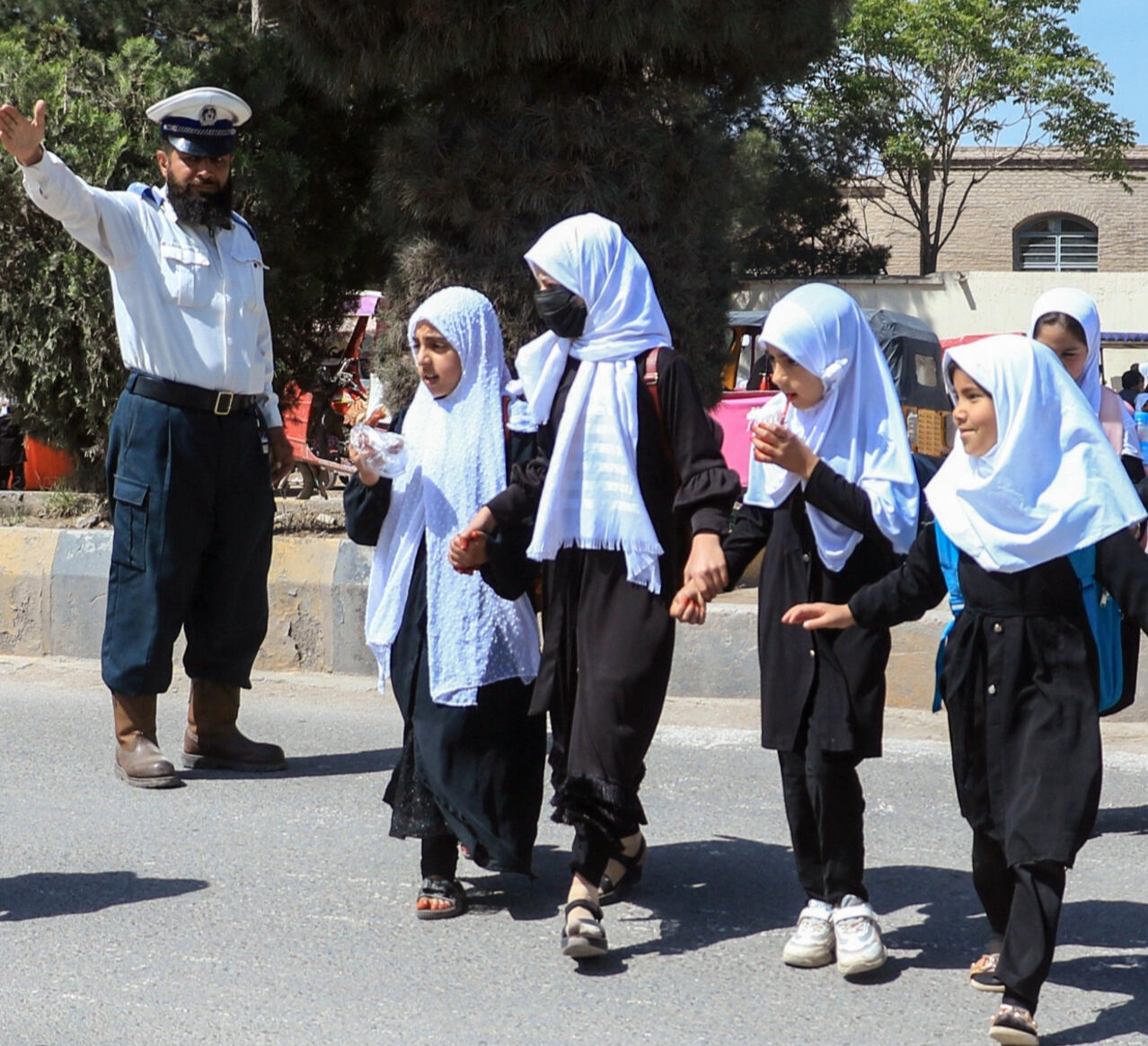
The global conversation around girls’ education has returned to the spotlight following renewed international concern over restrictions affecting female students in Afghanistan. Across social media platforms, diplomatic discussions, and humanitarian organizations, the issue has become one of the most talked-about human rights debates in 2026. What makes this crisis particularly significant is not only its immediate impact on millions of young girls but also its long-term implications for global development, security, and gender equality.
Since the return of the Taliban to power in 2021, access to education for girls beyond primary school has faced increasing limitations. Secondary schools and universities have largely remained closed to female students, creating what many global observers describe as one of the most severe modern education restrictions. For millions of Afghan girls, classrooms that once represented opportunity and independence suddenly became inaccessible.
Education experts warn that denying education affects far more than individual futures. Studies consistently show that girls’ education is directly linked to economic growth, improved healthcare outcomes, reduced poverty levels, and political stability. When girls remain in school, societies benefit through increased workforce participation, lower child mortality rates, and stronger civic engagement. The current situation therefore represents not only a national issue but a global development challenge.
International organizations such as United Nations and UNICEF have repeatedly emphasized that education is a fundamental human right. Diplomatic pressure, humanitarian appeals, and advocacy campaigns have intensified worldwide, with activists using social media to amplify the voices of Afghan students. Viral hashtags and personal stories shared online have turned individual experiences into a powerful global movement demanding change.
The crisis has also sparked broader discussions about women’s rights, cultural identity, and governance. Supporters of international advocacy argue that access to education should remain universal regardless of political or cultural systems. Others emphasize the complexity of balancing international pressure with local political realities. These debates have transformed Afghanistan’s education situation into a central topic within global human rights discourse.
Beyond politics, the human stories remain the most compelling aspect. Young girls who once dreamed of becoming doctors, engineers, journalists, and teachers now face uncertain futures. Many families attempt informal education at home, while volunteer networks and online learning initiatives attempt to bridge the gap. However, limited infrastructure and economic hardship make these alternatives difficult to sustain long-term.
The global reaction also highlights how digital media has changed activism. In previous decades, such crises might have remained distant headlines. Today, social media platforms allow real-time engagement, enabling students, educators, and activists worldwide to participate in advocacy campaigns. This digital visibility explains why the issue continues trending internationally.
Looking ahead, analysts believe the future of Afghanistan’s development will largely depend on educational inclusion. Nations that invest in human capital — particularly female education — historically achieve stronger economic and social stability. As global pressure continues, many observers hope diplomatic engagement and internal dialogue may eventually reopen educational opportunities.
Ultimately, the debate surrounding girls’ education in Afghanistan represents more than a regional policy dispute. It reflects a global question about human rights, equality, and the role education plays in shaping peaceful and prosperous societies. The world’s attention remains fixed on whether future generations of Afghan girls will regain access to classrooms and the opportunities they represent.
