
Table of Contents
ADC Raises Concerns Over INEC’s Actions Potentially Hindering 2027 Election Participation
The African Democratic Congress (ADC) has publicly expressed serious apprehensions regarding the Independent National Electoral Commission’s (INEC) recent conduct, which the party believes could obstruct its ability to field candidates in the upcoming 2027 general elections.
Allegations of Communication Blackout by INEC
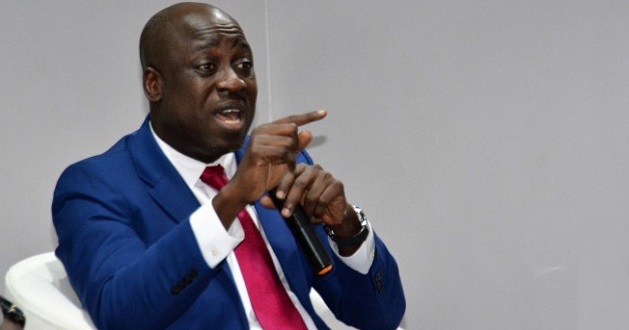
In a statement released on Monday, Mallam Bolaji Abdullahi, the ADC’s national publicity secretary, revealed that INEC has ceased acknowledging or responding to official communications from the party. This development has raised alarms within the ADC, as it effectively stalls the party’s preparations and compliance processes necessary for election participation.
Implications for Democratic Participation
The ADC’s concerns highlight a broader issue of electoral fairness and transparency in Nigeria’s political landscape. By allegedly ignoring the party’s correspondence, INEC risks undermining the democratic principle of equal opportunity for all registered political entities. This situation could potentially disenfranchise ADC supporters and limit the diversity of political choices available to voters in 2027.
Context and Recent Developments
INEC’s role as the electoral umpire is critical in ensuring free and fair elections. However, recent reports indicate that the commission has been involved in several controversies, including delays in candidate registration and disputes over electoral guidelines. According to the latest data from the Nigerian Electoral Commission, over 90 political parties are registered, making impartial administration essential to maintain public trust.
Looking Ahead: The Road to 2027
As Nigeria approaches the 2027 elections, the ADC is calling on INEC to resume transparent communication and uphold its mandate to facilitate inclusive electoral processes. The party urges stakeholders, including civil society organizations and international observers, to monitor the situation closely to safeguard democratic integrity.
With Nigeria’s democracy at a critical juncture, ensuring that all political parties can participate without undue hindrance remains paramount for the nation’s political stability and growth.
