
Table of Contents
Nigeria’s Public Debt Approaches ₦155 Trillion Following Senate’s Endorsement of $6 Billion External Loan
In a recent development, Nigeria’s total public debt is projected to escalate to approximately ₦155 trillion after the Senate sanctioned President Bola Ahmed Tinubu’s proposal for a fresh $6 billion external borrowing. This move has intensified discussions surrounding the nation’s fiscal sustainability and economic strategy.
Senate’s Swift Approval and Its Implications
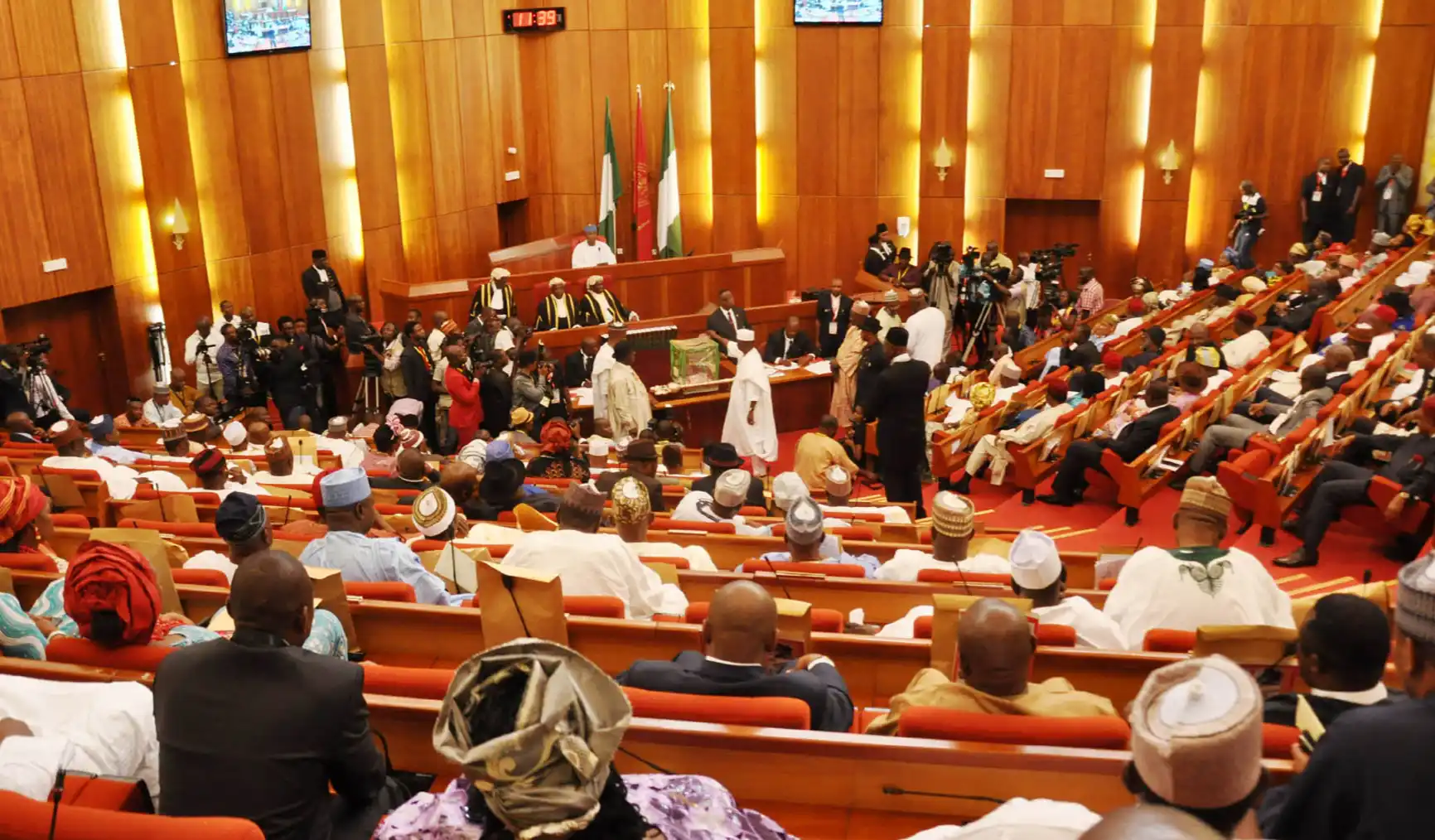
The Senate’s endorsement came swiftly, mere hours after Senate President Godswill Akpabio formally presented the President’s loan request. This rapid approval underscores the urgency with which the government is seeking to address pressing financial obligations and fund critical projects. However, it also raises concerns about the growing debt burden and its long-term impact on Nigeria’s economy.
Contextualizing Nigeria’s Debt Landscape
As of 2024, Nigeria’s debt profile has been steadily increasing, driven by both domestic and external borrowings. The current figure nearing ₦155 trillion reflects a significant rise compared to previous years, influenced by factors such as infrastructure development needs, budget deficits, and economic shocks like fluctuating oil prices. According to the Debt Management Office (DMO), external debt now constitutes a substantial portion of the total debt, emphasizing the country’s reliance on foreign financing.
Economic Challenges and Debt Sustainability
The approval of this new loan package comes at a time when Nigeria faces multiple economic challenges, including inflationary pressures, currency volatility, and a need to diversify revenue sources beyond oil. While external loans can provide much-needed capital for development, they also increase debt servicing obligations, which could strain public finances if not managed prudently.
Comparative Insights: Lessons from Other Emerging Economies
Looking at other emerging markets, such as Kenya and Ghana, which have also experienced rising debt levels, highlights the importance of balancing borrowing with sustainable economic growth. For instance, Kenya’s recent debt restructuring efforts demonstrate proactive measures to maintain fiscal health while continuing infrastructure investments. Nigeria could benefit from similar strategies to ensure that borrowing translates into tangible economic benefits without compromising future fiscal stability.
Looking Ahead: Strategic Considerations for Nigeria’s Debt Management
Going forward, it is crucial for Nigerian policymakers to enhance transparency in debt acquisition and utilization, prioritize high-impact projects, and strengthen revenue generation mechanisms. Implementing robust debt management frameworks and exploring innovative financing options, such as public-private partnerships, could also mitigate risks associated with heavy external borrowing.
As Nigeria navigates this complex financial terrain, the balance between leveraging debt for development and maintaining economic resilience will be pivotal in shaping the country’s fiscal future.
