
Table of Contents
Celebrating Nigerian Women’s Achievements at the 70th UN Commission on the Status of Women
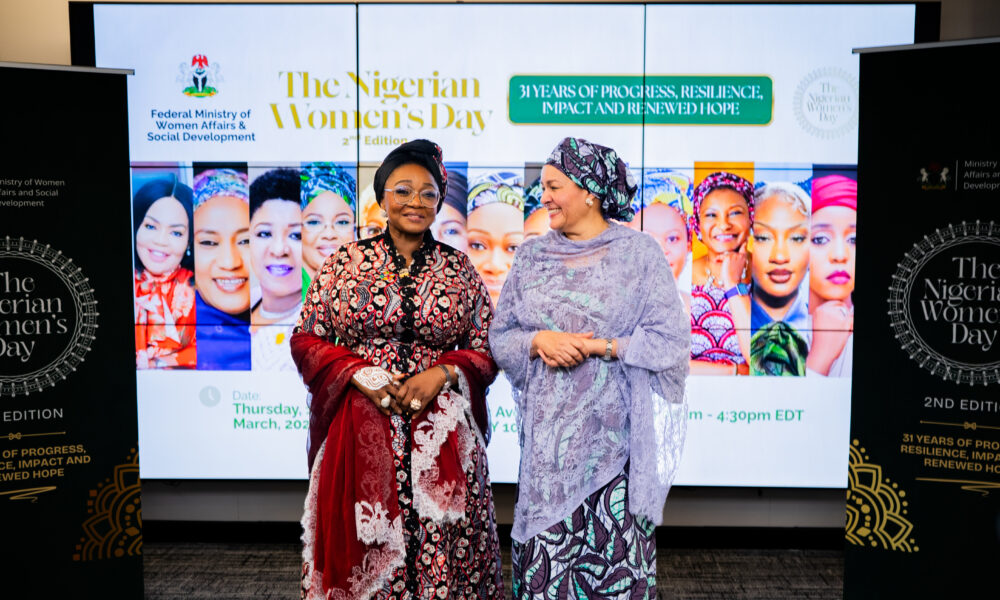
The Federal Ministry of Women Affairs and Social Development of Nigeria marked a significant milestone by hosting a special event in honor of Nigerian Women’s Day. This celebration took place alongside the 70th Session of the United Nations Commission on the Status of Women (CSW70) in New York City on Thursday, highlighting Nigeria’s commitment to advancing gender equality and women’s empowerment on the global stage.
Highlighting Nigeria’s Progress in Women’s Empowerment
During the event, key government officials and advocates underscored Nigeria’s strides in promoting women’s rights and social development. The Ministry showcased ongoing initiatives aimed at improving access to education, healthcare, and economic opportunities for Nigerian women. Recent data reveals that female literacy rates in Nigeria have increased by over 15% in the past decade, reflecting the impact of targeted policies and grassroots programs.
Global Collaboration for Gender Equality
The celebration also served as a platform for Nigeria to engage with international partners and share best practices in tackling gender-based challenges. Representatives from various countries exchanged insights on combating gender-based violence, enhancing women’s political participation, and fostering inclusive economic growth. For instance, Nigeria’s approach to integrating women into the tech sector was highlighted as a model for other developing nations.
Empowering Women Through Innovation and Policy
In addition to policy discussions, the event featured presentations on innovative projects empowering Nigerian women. One notable example is a digital literacy program that has equipped over 10,000 women with essential tech skills, enabling them to access new job markets and entrepreneurial opportunities. This initiative aligns with global trends emphasizing the role of technology in bridging gender gaps.
Looking Ahead: Nigeria’s Vision for Women’s Development
As Nigeria continues to champion women’s rights, the Ministry reaffirmed its dedication to achieving the Sustainable Development Goals related to gender equality by 2030. Future plans include expanding vocational training, increasing women’s representation in leadership roles, and strengthening legal frameworks to protect women’s rights. These efforts are crucial in ensuring that Nigerian women not only participate in but also lead the nation’s socio-economic transformation.
Conclusion
The Nigerian Women’s Day event at CSW70 was a powerful reminder of the country’s ongoing journey toward gender parity. By fostering collaboration, innovation, and policy reform, Nigeria is setting a precedent for empowering women and building a more inclusive society. This celebration not only honored the achievements of Nigerian women but also reinforced the global call for sustained action to advance women’s status worldwide.
