
Table of Contents
Fuel Price Surge in Nigeria: Economic Implications of Dangote Refinery’s Latest Adjustment
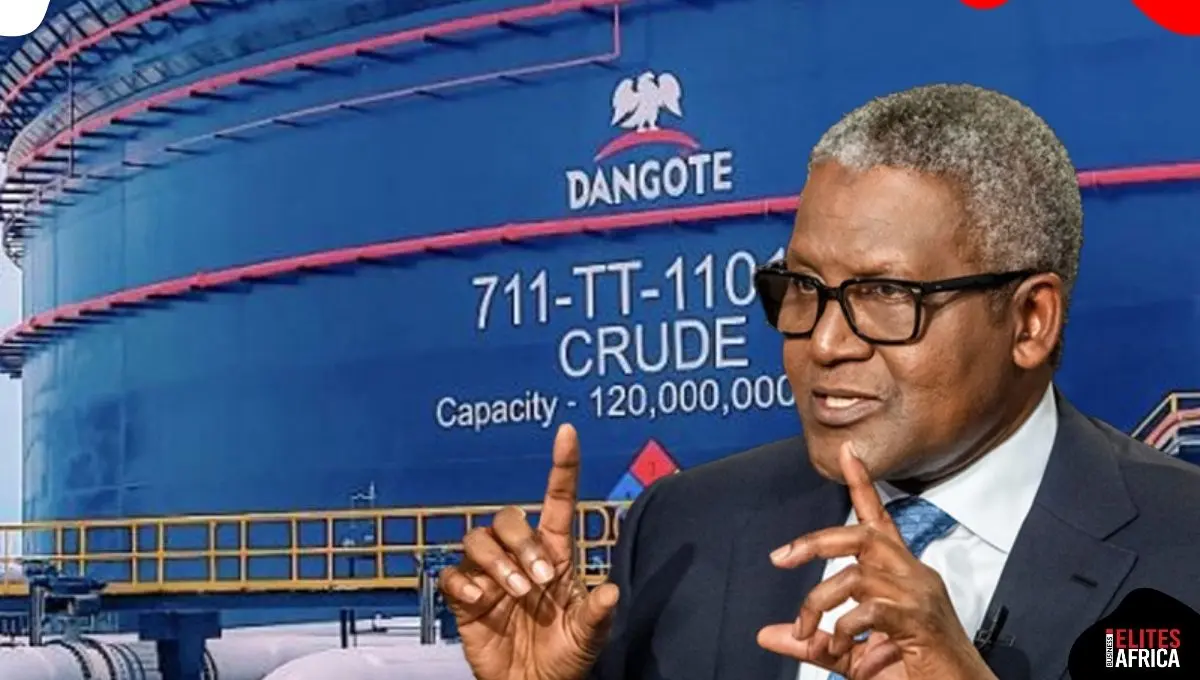
In a recent development that is poised to ripple across Nigeria’s economic landscape, Dangote Petroleum Refinery has escalated the gantry price of Premium Motor Spirit (PMS) to ₦1,175 per litre. This marks a significant jump from the ₦995 per litre rate set just three days prior, representing an 18.1% increase in a remarkably short span.
Understanding the Price Hike and Its Immediate Impact
The ₦180 surge in PMS pricing is not merely a numerical change but a catalyst for broader economic consequences. Fuel, being a critical input for transportation and manufacturing sectors, directly influences the cost of goods and services. This adjustment is expected to exert upward pressure on inflation, which Nigeria’s National Bureau of Statistics recently reported at 22.3% year-on-year as of May 2024, the highest in over a decade.
Broader Economic Repercussions
Fuel price increases often trigger a domino effect, elevating transportation costs and, consequently, the prices of essential commodities. For instance, the cost of food items, which already accounts for a significant portion of household expenditure, may rise further, exacerbating the financial strain on Nigerian families. This scenario mirrors the 2022 fuel price hike aftermath, where inflation surged and consumer purchasing power declined sharply.
Impact on Transportation and Logistics
Transportation operators, including commercial motorcyclists and haulage companies, are likely to pass on the increased fuel expenses to consumers. This could lead to higher fares and freight charges, affecting daily commuters and businesses reliant on logistics. The ripple effect may also slow down supply chains, impacting the availability and affordability of goods nationwide.
Government and Industry Responses
In response to such price escalations, the Nigerian government has historically intervened through subsidies or regulatory measures to cushion the impact on consumers. However, with the current global energy market volatility and domestic refining challenges, sustaining subsidies has become increasingly difficult. Industry experts suggest that enhancing local refining capacity and diversifying energy sources are critical long-term strategies to stabilize fuel prices.
Comparative Insights: Global Fuel Price Trends
Similar fuel price surges have been observed globally, often linked to geopolitical tensions and supply chain disruptions. For example, in early 2024, several countries in Europe experienced fuel price spikes due to the ongoing conflict in Eastern Europe, leading to inflationary pressures comparable to those now seen in Nigeria. These parallels highlight the interconnected nature of energy markets and the importance of resilient domestic energy infrastructure.
Looking Ahead: Navigating Fuel Price Volatility
As Nigeria grapples with this latest fuel price adjustment, stakeholders across sectors must prepare for the ensuing economic adjustments. Consumers may need to adopt more fuel-efficient practices, while policymakers should prioritize sustainable energy policies. Meanwhile, businesses might explore cost optimization strategies to mitigate the impact on operations and pricing.
Ultimately, the recent increase in PMS prices by Dangote Petroleum Refinery underscores the urgent need for comprehensive energy reforms and economic resilience planning to shield Nigeria’s economy from future shocks.
