
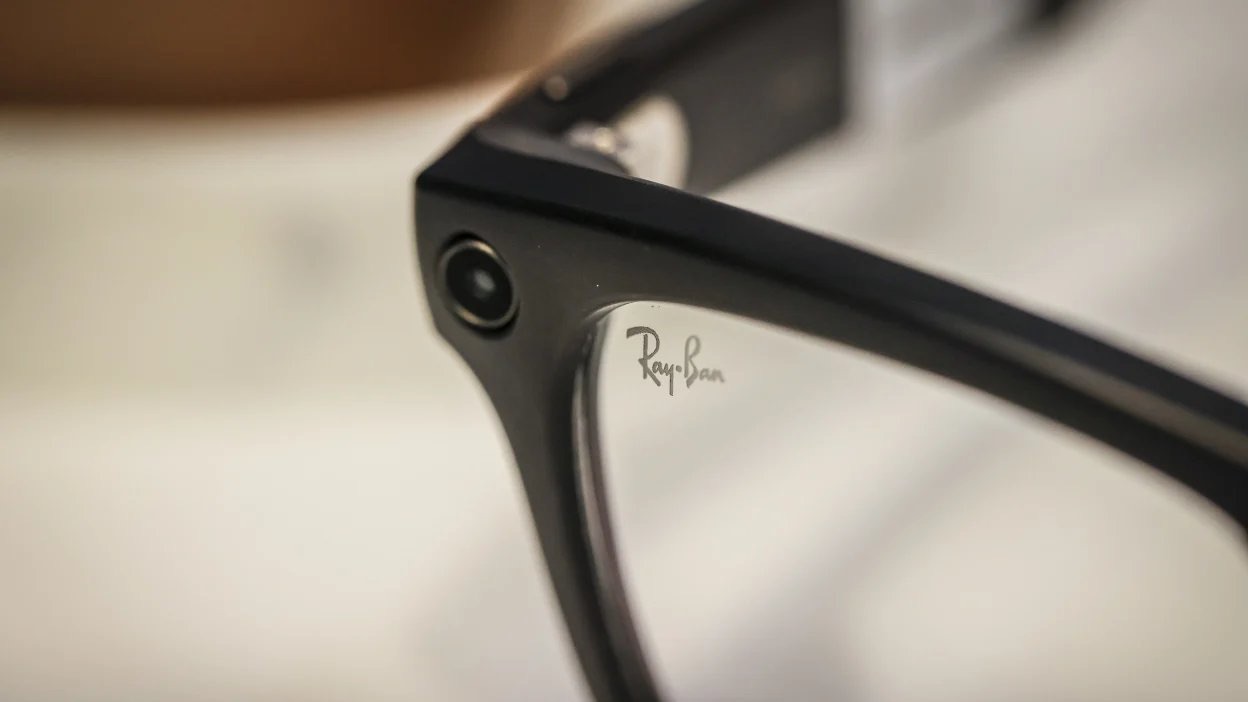
Meta is facing a lawsuit over its AI-powered smart glasses after allegations surfaced that company workers reviewed intimate personal footage recorded by users.
The complaint was filed by New Jersey resident Gina Bartone and California resident Mateo Canu, represented by Clarkson Law Firm, who accuse the tech giant of misleading consumers about how recordings from its Ray-Ban Meta smart glasses are handled.

According to the lawsuit, Meta marketed the glasses with privacy-focused messaging such as “designed for privacy” and “controlled by you.” However, the plaintiffs argue that the company allegedly failed to clearly inform customers that human reviewers could watch certain clips captured by the device, including footage recorded in private settings.
The legal complaint claims that this practice could expose sensitive and personal moments recorded by users wearing the smart glasses.
Allegations of Misleading Marketing
The plaintiffs argue that Meta’s marketing created the impression that users had full control over how their recordings were handled. They claim that the company did not adequately disclose that recordings could be reviewed by humans as part of the company’s AI training or moderation processes.
The lawsuit alleges that this lack of transparency may have misled consumers into believing their recordings were fully private or only processed automatically by artificial intelligence.
Growing Concerns Over AI Privacy
The case adds to growing concerns about privacy risks associated with AI-powered wearable technology. Devices such as smart glasses are capable of recording videos and capturing audio in everyday environments, raising questions about how that data is stored, processed, and accessed.
Privacy advocates have long warned that wearable cameras could unintentionally record sensitive situations in homes, workplaces, or social gatherings.
Meta Yet to Respond Publicly
As of now, Meta has not publicly commented in detail on the lawsuit. The case is expected to further intensify debate around AI surveillance, data handling, and consumer transparency in wearable technology.
Legal experts say the outcome could influence how technology companies disclose data-processing practices and privacy safeguards in future AI devices.
