
Table of Contents
Diplomatic Pathway to U.S.-Iran Agreement: A Delicate Balance
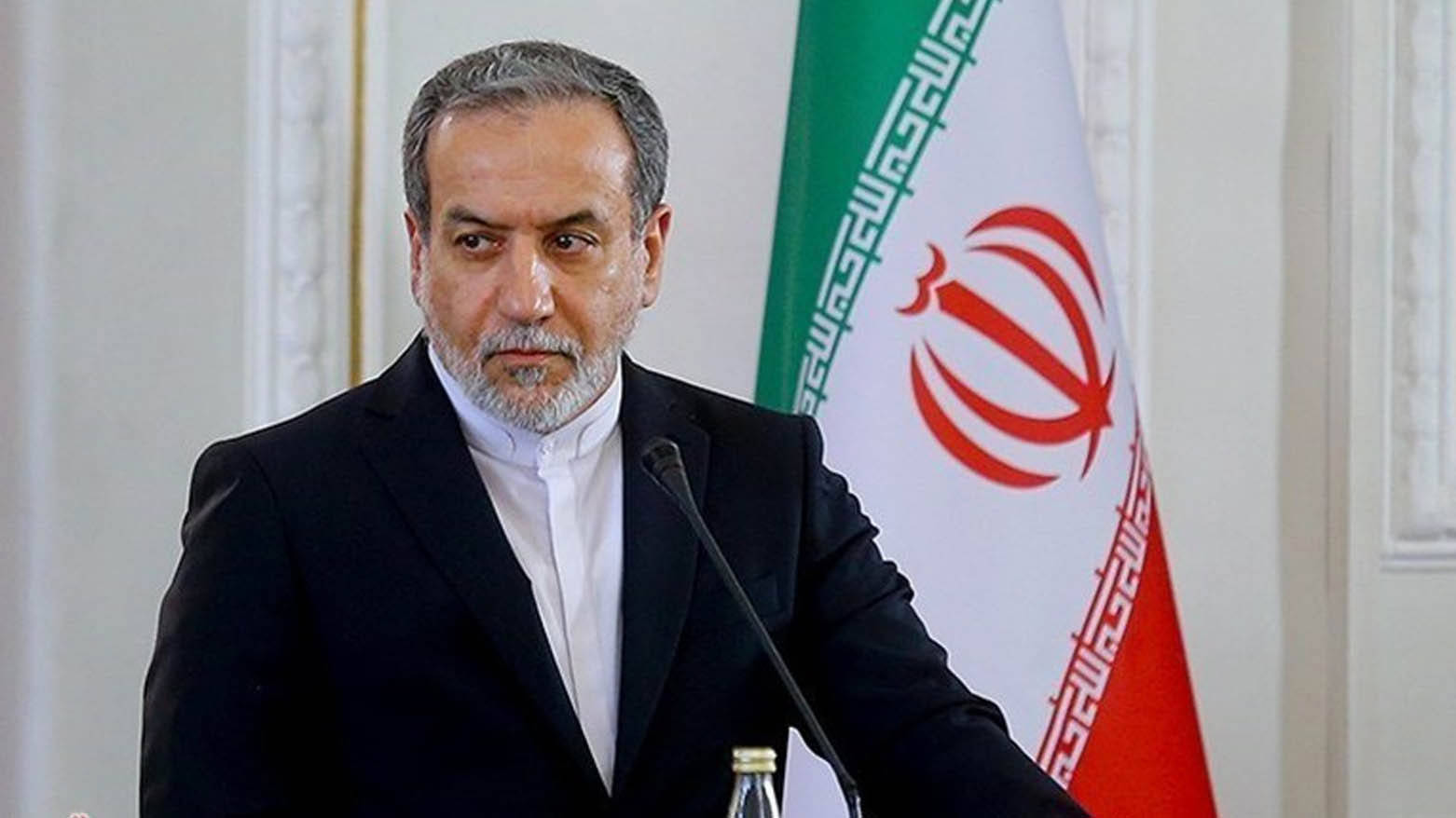
Iran’s Foreign Minister, Abbas Araqchi, has emphasized that a breakthrough deal with the United States remains within reach, contingent on prioritizing diplomatic engagement over rising hostilities. His statement arrives just days before a pivotal round of negotiations set for Thursday in Geneva, where U.S. representatives Steve Witkoff and Jared Kushner are slated to meet with Iranian officials.
A Historic Opportunity for Mutual Understanding
On social media platform X, Araqchi described the moment as a “historic opportunity” to forge an unprecedented agreement that addresses the concerns of both nations while advancing shared interests. He affirmed Iran’s commitment to approaching the talks with resolve, aiming to secure a “just and balanced” accord promptly.
Regional Tensions and Military Posturing
This renewed diplomatic effort unfolds amid escalating tensions in the Middle East, with the U.S. bolstering its military footprint in the region. Iran has issued stern warnings that any attack on its interests would provoke retaliatory strikes against American bases. Such developments underscore the fragile nature of the current geopolitical climate.
Iran’s Commitment to Good Faith Negotiations
Supporting Araqchi’s outlook, Iranian Deputy Foreign Minister Majid Takht-Ravanchi reiterated Tehran’s readiness to take all necessary measures to finalize an agreement. He assured that Iran would engage in the Geneva discussions with full transparency and sincerity, according to state media reports.
U.S. Stance: Diplomacy with a Military Backdrop
From the American side, White House Press Secretary Karoline Leavitt conveyed that President Donald Trump favors diplomatic solutions but remains prepared to consider military options if circumstances demand. This dual approach reflects the complexity of U.S. policy towards Iran.
Key Negotiation Points and Potential Compromises
A senior Iranian official disclosed to Reuters that Tehran might be willing to send half of its stockpile of highly enriched uranium abroad, dilute the remainder, and join a regional nuclear enrichment consortium. In exchange, Iran seeks formal U.S. acknowledgment of its right to peaceful nuclear enrichment and the removal of economic sanctions.
Sticking Points from Previous Talks
Earlier indirect negotiations faltered primarily due to Washington’s insistence that Iran cease uranium enrichment entirely—a demand Iran has consistently rejected, asserting its nuclear program is intended solely for civilian energy purposes.
Impact of Past Military Actions
Tensions surged last June when the U.S., alongside Israel, conducted strikes on Iranian nuclear sites. President Trump claimed these operations “obliterated” critical facilities. Nevertheless, Iran is believed to retain enriched uranium reserves, which remain a focal point in ongoing discussions.
Looking Ahead: The Geneva Talks as a Diplomatic Crucible
With both nations signaling a willingness to engage in dialogue while maintaining firm non-negotiable positions, the upcoming Geneva negotiations represent a crucial test of whether diplomacy can overcome decades of mistrust and confrontation. The outcome could significantly influence regional stability and global nuclear non-proliferation efforts.
