
Table of Contents
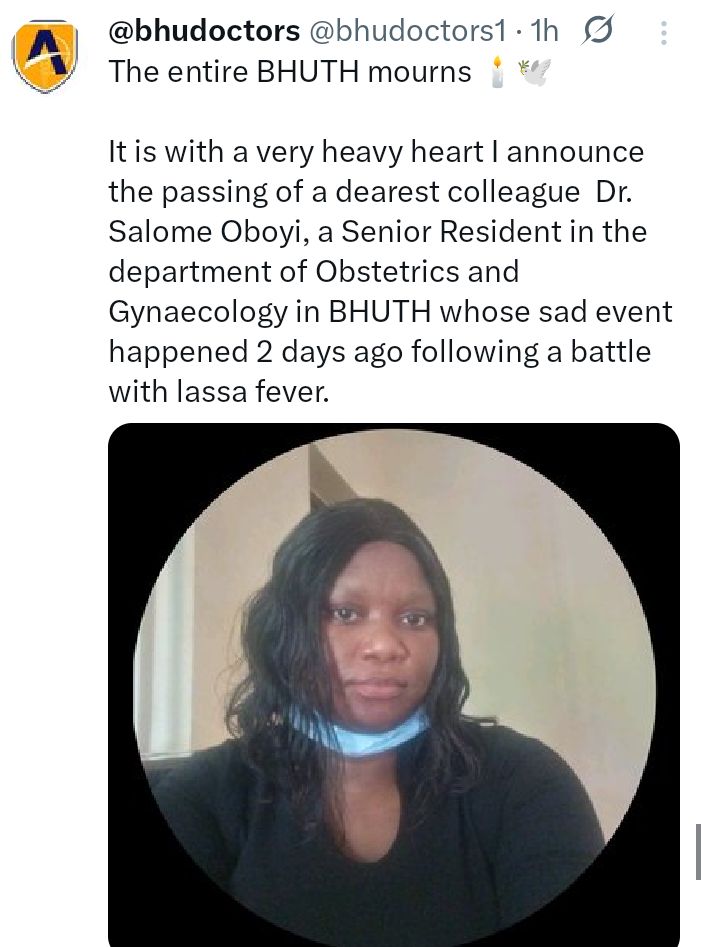
Senior Resident Doctor Salome Oboyi Succumbs to Lassa Fever in Jos, Plateau State
Tragically, Dr. Salome Oboyi, a Senior Resident physician based in Jos, Plateau State, has passed away due to complications from Lassa fever. This viral hemorrhagic illness, endemic in parts of West Africa, continues to pose a significant health threat, particularly to healthcare workers on the frontlines.
Understanding Lassa Fever and Its Impact on Healthcare Professionals
Lassa fever is an acute viral disease transmitted primarily through contact with the urine or feces of infected Mastomys rats. The illness can also spread via direct contact with bodily fluids of infected individuals, making medical personnel especially vulnerable. According to the World Health Organization, approximately 100,000 to 300,000 cases occur annually across West Africa, with a mortality rate of about 1% overall but significantly higher among hospitalized patients.
Recent Developments and Statistics in Plateau State
Plateau State has witnessed a surge in Lassa fever cases in recent years, with the 2023 outbreak recording over 150 confirmed cases and a fatality rate nearing 15%. The death of Dr. Oboyi highlights the ongoing risks faced by healthcare workers despite improved infection control protocols. This incident underscores the urgent need for enhanced protective measures and increased awareness campaigns within medical facilities.
Protective Measures and Preventive Strategies
To mitigate the spread of Lassa fever, hospitals are urged to implement strict hygiene practices, including the use of personal protective equipment (PPE), proper waste disposal, and patient isolation procedures. Community education on rodent control and safe food storage is equally vital. For instance, in neighboring Edo State, a recent initiative involving community health workers distributing rodent-proof containers has led to a 20% reduction in new cases.
The Broader Implications for Public Health
The loss of experienced medical professionals like Dr. Oboyi not only affects patient care but also hampers efforts to control infectious diseases in the region. Strengthening healthcare infrastructure, increasing funding for infectious disease research, and fostering regional collaboration are critical steps toward reducing the burden of Lassa fever and protecting frontline workers.
As the fight against Lassa fever continues, the medical community mourns the passing of Dr. Salome Oboyi and renews its commitment to safeguarding health workers and communities alike.
