
Table of Contents
Survival Against the Odds: California Hunter Found After 20 Days Lost in Sierra National Forest
After vanishing during a hunting expedition in California’s Sierra National Forest, 65-year-old Ron Dailey was discovered alive but severely weakened following a harrowing 20-day ordeal in rugged, high-altitude wilderness. His resilience and faith played a crucial role as he battled exhaustion and injury in the remote terrain.
Disappearance Sparks Extensive Search Efforts
Dailey was reported missing on October 13 after failing to return from a deer hunting trip near Shaver Lake, a popular but challenging area within the Sierra National Forest. The Fresno County Search and Rescue Posse, along with numerous volunteers and concerned strangers, launched a comprehensive search operation that spanned weeks without any sign of him.
Throughout this period, Dailey’s wife, Glenda, remained steadfast, sharing his missing person flyer daily on social media and urging the community to keep hope alive. Her unwavering faith and the collective prayers of family and friends underscored the emotional toll of the search.
Miraculous Rescue on Swamp Lake Trail
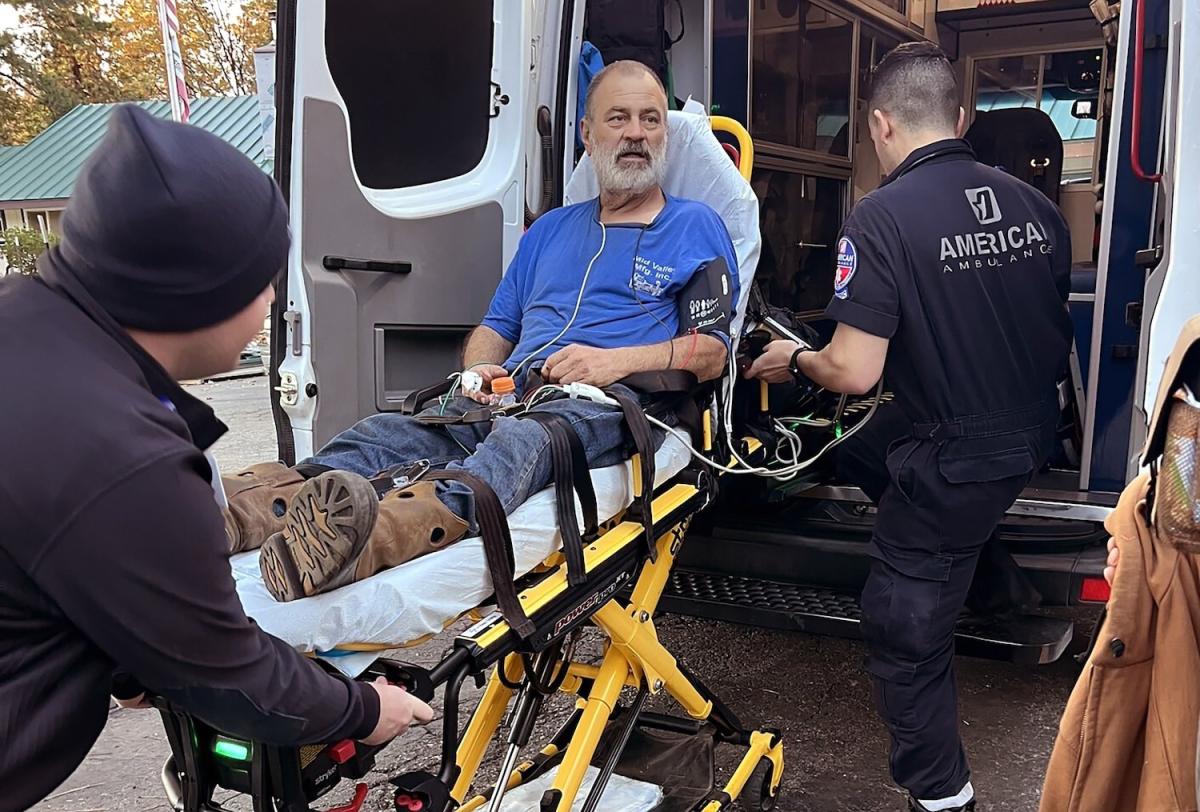
On November 1, nearly three weeks after Dailey’s disappearance, authorities announced his safe recovery on the Swamp Lake trail, approximately 20 miles from where he was last seen. Although malnourished and physically battered, Dailey’s survival was hailed as nothing short of miraculous.
Glenda shared that Ron was receiving medical care, including intravenous fluids to restore his strength and color, and promised that he would recount his extraordinary experience once he had recuperated.
Dailey’s Journey: From Truck Breakdown to Grueling Trek
In a recorded statement obtained by ABC News, Dailey recounted the sequence of events leading to his ordeal. He initially drove his 2002 silver Dodge Dakota up the Swamp Lake trail, stopping at the summit to eat jerky and nuts. However, his vehicle became immobilized on a rugged “jeep road” during the descent.
Unable to turn around, Dailey pressed onward until reaching a rocky plateau where he camped for several days. The rough terrain severely damaged his truck, prompting him to dismantle parts of it, including removing the passenger seat to create a makeshift resting spot despite the discomfort.
Recognizing the truck was beyond repair, Dailey abandoned it and embarked on a strenuous hike back down the trail on foot. At an altitude exceeding 10,000 feet, the thin air forced him to pause frequently to catch his breath. Despite the physical challenges, he remained determined, telling himself, “This is it, Ron, you either try to get out or you sit here and die.”
Faith and Determination Amidst Adversity
During his trek, Dailey lost his cellphone and began to falter, stumbling more often as fatigue set in. Yet, he continued to pray for rescue, expressing his desperation in the recording: “You gotta send somebody up here to me. I can hardly walk anymore.”
His prayers were answered when he spotted headlights piercing through the forest. Summoning his remaining strength, he flagged down the vehicle, collapsing into the arms of his rescuers and embracing them with tears of relief and gratitude.
Community Gratitude and Future Reunions
The hunters who found Dailey immediately provided him with food and water, as he had not eaten for six days. Glenda expressed her intention to personally thank the men responsible for saving her husband, while also acknowledging the tireless efforts of all search participants.
“There are so many family members, friends, and even strangers who searched for him, and we are deeply grateful to every one of you,” she wrote. “This experience is a testament that miracles still happen.”
Contextual Note: Wilderness Survival and Rescue Statistics
According to recent data from the National Park Service, over 500 people are reported missing annually in U.S. national parks, with a significant number involving hunters and hikers in mountainous regions. Survival stories like Dailey’s highlight the importance of preparedness, resilience, and community support in wilderness emergencies.
