
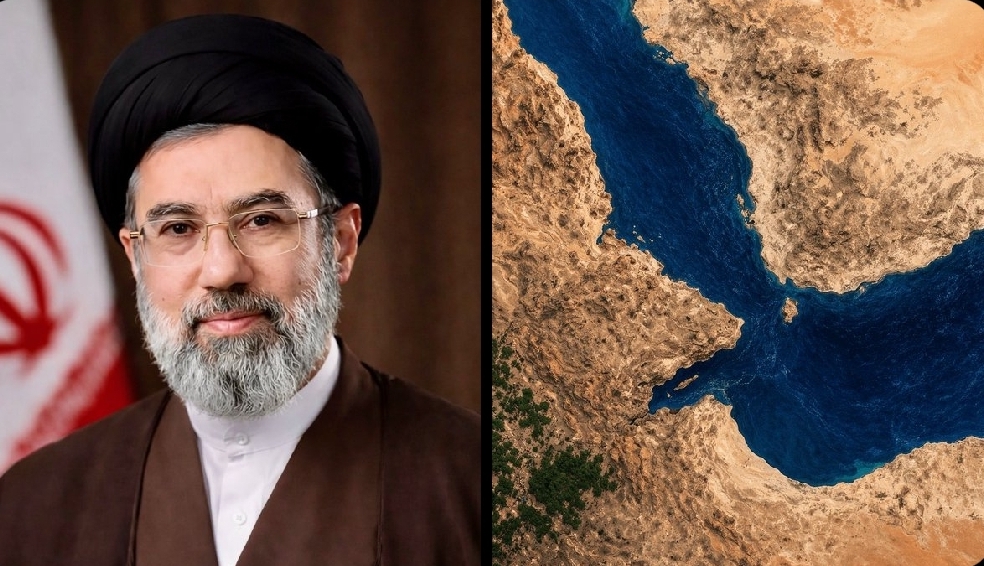
The Middle East has been thrust into fresh uncertainty after reports emerged that Iran has declared the closure of the Bab al-Mandab Strait following recent Israeli military strikes, raising concerns about global trade, energy markets, and regional security.
The Bab al-Mandab Strait, located between Yemen and the Horn of Africa, is one of the world’s most strategically important maritime routes. The narrow waterway connects the Red Sea to the Gulf of Aden and serves as a critical gateway for vessels traveling between Europe, Asia, and the Middle East. Analysts estimate that approximately 12 percent of global trade passes through the corridor, making any disruption a matter of international concern.
The announcement comes against the backdrop of escalating tensions between Iran and Israel, with both countries engaged in an increasingly volatile cycle of military actions and retaliatory threats. Shipping companies, insurers, and global markets are closely monitoring developments, fearing that any prolonged disruption could affect supply chains, energy exports, and shipping costs worldwide.
Historically, threats to the Bab al-Mandab Strait have had significant consequences for international commerce. The route is particularly important for oil and gas shipments traveling from the Middle East to European and global markets. Any interruption could force vessels to take longer routes around Africa, increasing transit times and transportation expenses.
As diplomatic efforts continue behind the scenes, governments around the world are expected to push for de-escalation to prevent further disruption to global trade and maritime security.
