
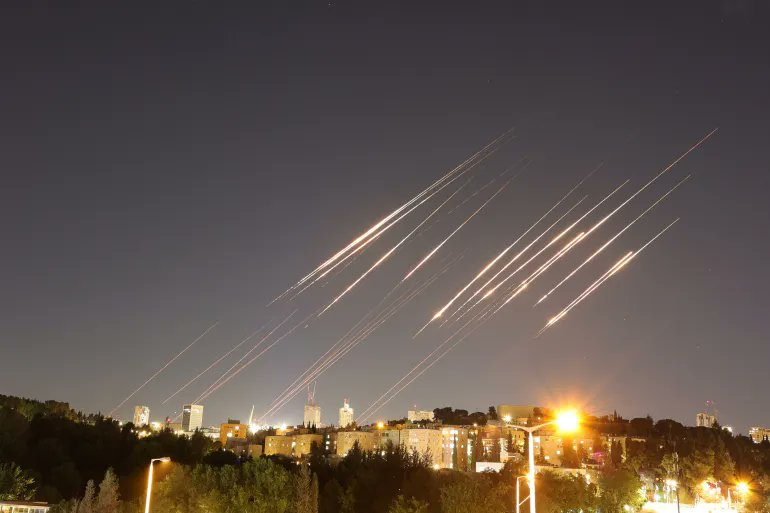
A dramatic escalation in regional tensions has sparked debate among analysts after Iran reportedly launched missiles following an Israeli strike in Lebanon, raising questions about whether a new strategic phase has emerged in the Middle East.
For decades, conflicts involving Iran, Israel, and allied groups across the region have largely followed predictable patterns of direct and indirect retaliation. However, recent developments have led some observers to argue that Iran’s response signals a broader willingness to react militarily to attacks affecting its regional partners.
The incident followed an Israeli strike in Beirut’s southern suburbs that reportedly resulted in casualties and injuries. In response, Iranian forces allegedly targeted strategic Israeli positions, sending a strong message regarding Tehran’s commitment to its regional alliances.
The development has intensified concerns among military planners and diplomatic observers. If Iran increasingly views attacks on allied groups or territories as grounds for direct retaliation, future confrontations could become significantly more complex and difficult to contain.
Despite the heightened rhetoric, international mediators continue to push for restraint. Regional governments and global powers remain focused on preventing a wider conflict that could destabilize multiple countries and disrupt global economic activity.
As the situation evolves, analysts agree on one point: the strategic calculations of all actors involved may now be undergoing significant reassessment.
