
Table of Contents
The Untapped Potential of Ajaokuta Steel Mill: Nigeria’s Industrial Challenge
Introduction: A Monument to Ambition and Delay
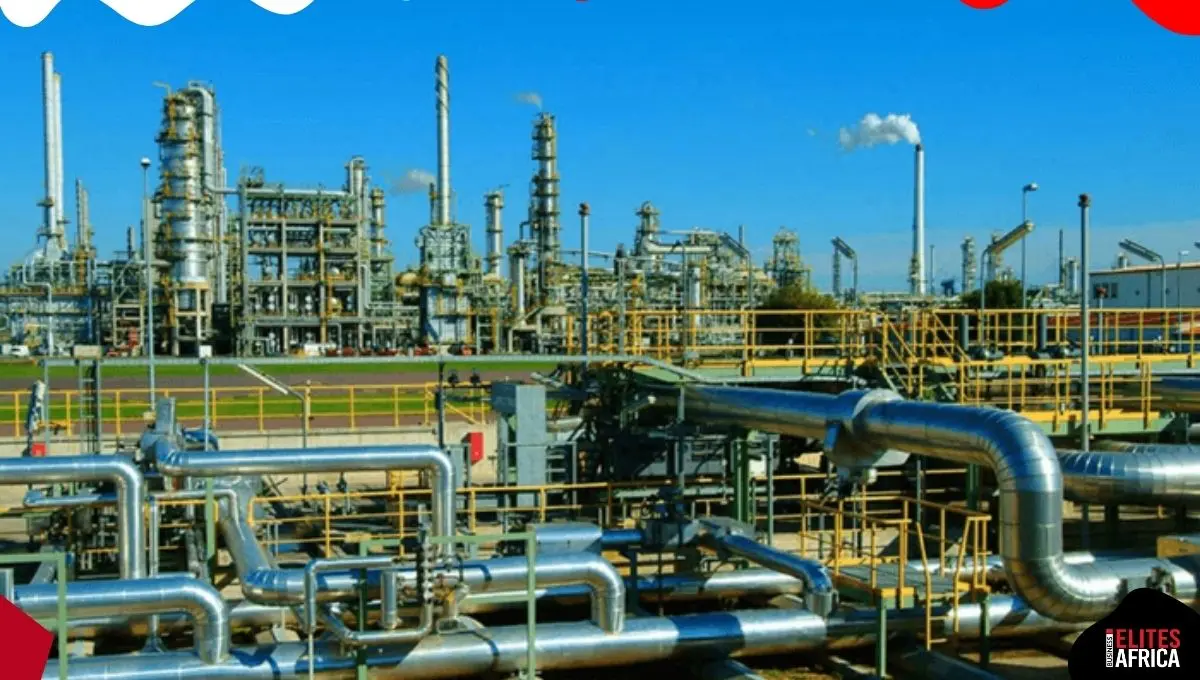
Situated on the banks of the Niger River in Kogi State, the Ajaokuta Steel Mill stands as a testament to Nigeria’s ambitious industrial aspirations that have yet to materialize. Despite an investment estimated between $5 billion and $8 billion over nearly half a century, the facility has never produced commercial-grade steel, highlighting a significant gap between vision and execution.
Historical Context and Investment Overview
Conceived in the 1970s during a period of economic optimism, the Ajaokuta Steel Mill was intended to be the cornerstone of Nigeria’s steel industry, propelling the nation towards self-sufficiency and industrialization. However, decades of inconsistent funding, management challenges, and political interference have stalled progress. To date, the project has absorbed billions of dollars without yielding operational output, a stark contrast to other emerging economies that have successfully developed steel production capabilities within similar timeframes.
Current Status and Operational Challenges
As of 2024, the steel mill remains largely non-functional, with critical infrastructure either incomplete or deteriorating. Technical difficulties, including outdated machinery and lack of skilled personnel, have compounded the delays. Additionally, logistical issues such as inadequate power supply and poor transportation networks have hindered the plant’s ability to commence production. These obstacles underscore the complexity of reviving a project that has been dormant for so long.
Comparative Insights: Lessons from Global Steel Projects
Looking at successful steel plants in countries like India and South Korea, it is evident that sustained government commitment, strategic partnerships, and phased development are crucial. For instance, India’s Steel Authority of India Limited (SAIL) transformed its steel sector through modernization and diversification, achieving significant output growth within two decades. Such examples highlight the importance of adaptive management and continuous investment, elements currently missing in Ajaokuta’s narrative.
Economic and Social Implications for Nigeria
The failure to operationalize the Ajaokuta Steel Mill has broader repercussions beyond industrial stagnation. It represents lost opportunities for job creation, technological advancement, and economic diversification in a country heavily reliant on oil exports. Revitalizing the steel sector could stimulate ancillary industries, reduce import dependency, and foster regional development, particularly in the North-Central region where the mill is located.
Pathways to Revival: Strategic Recommendations
To unlock the mill’s potential, a comprehensive overhaul is necessary. This includes securing transparent funding mechanisms, engaging experienced international partners, and implementing robust governance frameworks. Additionally, integrating modern steel production technologies and investing in workforce training will be vital. Recent government initiatives aimed at privatization and public-private partnerships offer a glimmer of hope, but decisive action and sustained commitment are imperative.
Conclusion: A Future Within Reach
The Ajaokuta Steel Mill embodies both the challenges and possibilities of Nigeria’s industrial journey. While its history is marked by setbacks, the current global demand for steel and Nigeria’s growing infrastructure needs present a timely opportunity for revival. With strategic planning and dedicated execution, the mill can yet become a catalyst for national development and industrial transformation.
