
Table of Contents
Nigeria’s Energy Paradox: From Crude Exporter to Fuel Importer
The Contradiction in Nigeria’s Oil Economy
For decades, Nigeria has been a major player in the global crude oil market, exporting vast quantities of unrefined petroleum. Paradoxically, despite its abundant oil reserves, the country has consistently depended on importing refined petroleum products to satisfy domestic consumption. This reliance has created significant economic challenges, including strain on foreign currency reserves, erratic fuel availability, and a fragmented energy sector.
Economic Implications of Fuel Import Dependence
The necessity to import refined fuel has placed considerable pressure on Nigeria’s foreign exchange resources, often leading to currency volatility. This dependency also disrupts the stability of fuel supply chains, causing frequent shortages and price fluctuations that affect both consumers and industries. Moreover, the lack of a robust refining infrastructure has hindered the development of a comprehensive energy value chain, limiting job creation and economic diversification.
Current Landscape and Efforts Toward Refining Self-Sufficiency
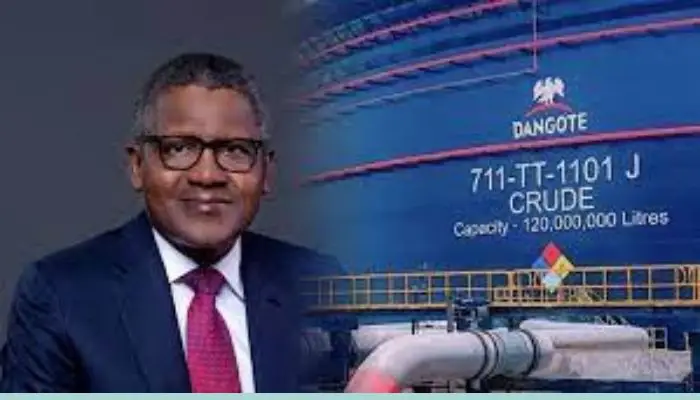
Recent data from the Nigerian National Petroleum Corporation (NNPC) indicates that the country imports approximately 70% of its refined petroleum products, despite having four major refineries. These facilities, however, operate below capacity due to aging infrastructure and maintenance challenges. In response, the government has launched initiatives aimed at revitalizing existing refineries and encouraging private sector investment in modular refineries. For example, the Dangote Refinery, set to become Africa’s largest, is expected to significantly reduce Nigeria’s fuel import bill upon completion.
Lessons from Global Counterparts
Countries like India and Brazil have successfully transitioned from fuel importers to self-sufficient refiners by investing heavily in refinery modernization and diversification of energy sources. Nigeria can draw valuable insights from these models, emphasizing the importance of technological upgrades, regulatory reforms, and public-private partnerships to build a resilient energy sector.
Looking Ahead: Building a Sustainable Energy Future
Addressing Nigeria’s fuel import paradox requires a multifaceted approach that includes expanding refining capacity, improving supply chain management, and fostering innovation in alternative energy. By strengthening its refining capabilities and reducing dependency on imports, Nigeria can enhance energy security, stabilize the economy, and create new employment opportunities, ultimately transforming its oil wealth into sustainable national development.
