
Table of Contents
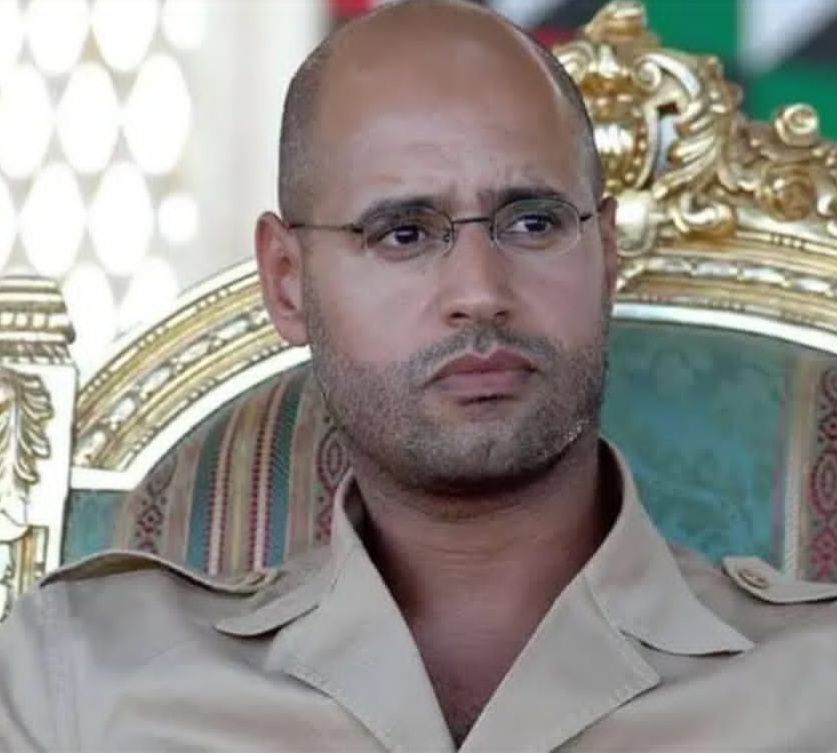
Saif al-Islam Gaddafi: A Controversial Figure in Libya‘s Tumultuous History
Background and Political Legacy
Saif al-Islam Gaddafi, the son of Libya’s late ruler Muammar Gaddafi, has remained a pivotal yet divisive character in the country’s ongoing political saga. Born into the powerful Gaddafi family, Saif al-Islam was once viewed as a potential reformer within the regime, often representing Libya on the international stage during his father’s rule. However, his legacy is deeply intertwined with the violent upheavals that followed the 2011 civil war.
Role During and After the 2011 Uprising
During the 2011 Libyan revolution, Saif al-Islam was a prominent figure defending the Gaddafi government against rebel forces. Despite initial hopes that he might broker peace, his involvement in the conflict led to widespread accusations of war crimes and human rights violations. Following the fall of Tripoli and the collapse of the Gaddafi regime, Saif al-Islam was captured by a militia group in 2011 and subsequently sentenced to death in absentia by a Libyan court in 2015.
Current Status and Political Ambitions
In recent years, Saif al-Islam has resurfaced as a political contender amid Libya’s fragmented landscape. Reports from 2023 indicate that he has been released from detention and is actively seeking to re-enter Libya’s political arena, positioning himself as a unifying figure capable of stabilizing the nation. His reemergence has sparked debate among Libyans and international observers alike, with some viewing him as a potential catalyst for reconciliation, while others remain wary of his past associations.
Libya’s Ongoing Struggle for Stability
Libya continues to grapple with internal divisions, with multiple factions vying for control since the 2011 revolution. According to the United Nations Support Mission in Libya (UNSMIL), the country’s political fragmentation has hindered efforts to establish a unified government, prolonging instability and economic hardship. Saif al-Islam’s return to the political scene adds a complex layer to this dynamic, as his influence could either facilitate dialogue or exacerbate existing tensions.
International Perspectives and Future Outlook
Global reactions to Saif al-Islam’s political comeback have been mixed. Some Western governments remain cautious due to his family’s controversial history, while regional powers in North Africa and the Middle East are closely monitoring developments. Libya’s path forward remains uncertain, but the involvement of figures like Saif al-Islam underscores the intricate challenges of reconciling past grievances with the pursuit of national unity.
Conclusion: A Figure Symbolizing Libya’s Complex Journey
Saif al-Islam Gaddafi embodies the contradictions of Libya’s recent history-a blend of hope for reform and reminders of a turbulent past. As Libya endeavors to rebuild and heal, his role will undoubtedly influence the country’s trajectory, making him a key figure to watch in the evolving narrative of Libyan politics.
