
Table of Contents
WHO Engages with Namibia Blood Transfusion Service to Strengthen Blood Safety and Supply
Exploring NamBTS Operations and Collaborative Opportunities
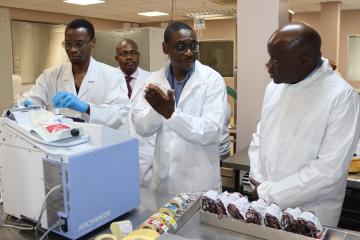
The World Health Organization (WHO) recently conducted an in-depth visit to the Namibia Blood Transfusion Service (NamBTS) headquarters in Windhoek. This engagement aimed to gain comprehensive insights into NamBTS’s operational framework and explore avenues for enhanced partnership. Initiated by NamBTS, the visit allowed WHO representatives to observe the full spectrum of blood donation and transfusion processes-from donor recruitment and collection to rigorous testing, processing, and the delivery of safe blood products to patients.
NamBTS: The Pillar of Namibia’s Blood Supply Chain
Operating under the authorization of the Ministry of Health and Social Services (MoHSS), NamBTS holds exclusive responsibility for the collection, testing, processing, and distribution of blood and its components throughout Namibia. The organization relies solely on voluntary, unpaid donors, adhering to stringent protocols in donor screening, laboratory diagnostics, and compatibility assessments to ensure the highest standards of patient safety and product quality.
Organizational Structure and Impact
According to Israel Chipare, CEO of NamBTS, the central office in Windhoek coordinates activities supported by six regional branches. While testing, processing, and distribution are centralized, the network includes five blood banks, five permanent donation centers, and over 300 mobile clinics nationwide. In the 2025 fiscal year, NamBTS successfully collected upwards of 50,000 blood units, with repeat donors contributing 85% of this volume. With a donor registry exceeding 30,000 individuals-approximately 1.1% of Namibia’s population-the organization fosters a robust culture of voluntary blood donation.
Regional Contributions Through Plasma Export and Fractionation
Beyond national borders, NamBTS supports regional healthcare by exporting surplus plasma to South Africa’s National Bioproducts Institute (NBI). At NBI, the plasma is fractionated into vital plasma-derived medicinal products (PDMPs) such as immunoglobulins, clotting factors, and albumin. These therapeutics, authorized by regulatory bodies in Botswana, Namibia, South Africa, and Mauritius, play a critical role in treating diverse medical conditions and enhancing regional self-reliance in essential lifesaving treatments.
WHO Recognition and Future Collaboration
During the visit, WHO lauded NamBTS for its exemplary leadership in upholding rigorous quality standards and embracing innovative methodologies. Dr. Richard Banda, WHO Representative to Namibia, remarked, “NamBTS’s comprehensive quality assurance systems and continuous improvement initiatives set a benchmark for the region.” He underscored WHO’s dedication to documenting and disseminating NamBTS’s best practices to assist other nations in strengthening their blood services. “Our partnership with NamBTS remains vital as we collectively strive to enhance blood safety and availability at both national and regional levels,” Dr. Banda added.
Strengthening Partnerships for Safe and Accessible Blood
This visit reinforced the enduring collaboration between WHO and NamBTS, emphasizing their shared commitment to ensuring a reliable supply of safe blood products accessible to all patients in need across Namibia. As blood demand continues to rise globally, such partnerships are crucial in advancing healthcare outcomes and saving lives.
