

Table of Contents
Former Minister Exposes How Corruption and Internal Sabotage Derailed Nigerian Football Reforms Under Buhari
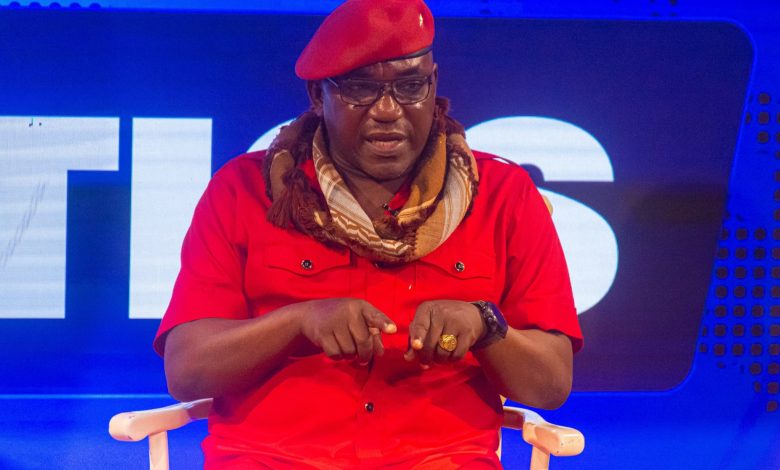
Solomon Dalung, who held the position of Nigeria’s Minister of Youth and Sports Development between 2015 and 2019, has candidly discussed the entrenched corruption and deliberate obstruction that crippled attempts to reform Nigerian football during his tenure.
Understanding the Complex Landscape of Nigerian Sports Administration
Despite initial perceptions of inexperience when he assumed office in late 2015, Dalung had long been acquainted with the intricate politics of Nigerian sports. His involvement dates back to at least 2002, when he was part of the federal delegation to the African Cup of Nations in Mali. There, he observed firsthand the acrimonious conflict between then-captain Sunday Oliseh and the Nigeria Football Association over the contentious issue of reduced player bonuses.
Dalung also personally encountered administrative inefficiencies, recalling occasions when officials, including himself, were stranded due to unpaid allowances. These experiences deepened his insight into the systemic mismanagement and financial negligence that have long plagued Nigerian sports institutions.
The Hidden Culture of Financial Misconduct and Deliberate Undermining
Adopting a cautious strategy inspired by his mentor, Dalung initially chose to observe quietly, allowing the entrenched interests to reveal themselves. A revealing moment came from a conversation with an elderly stadium cleaner who shared a cynical perspective: “In sports, more effort is put into ensuring failure than success.” The cleaner explained that tournament budgets were often only finalized after teams were eliminated early, creating a perverse incentive for officials to benefit financially from premature exits.
Dalung’s efforts to promote transparency and accountability were met with fierce resistance. Powerful stakeholders portrayed his reform initiatives as interference, even escalating complaints to FIFA in an attempt to sabotage progress. Instead of probing the corruption allegations, some segments of the sports media amplified these accusations, further complicating the reform process.
Establishment of a Technical Committee and Ambitious Reform Recommendations
Determined to tackle the rot, Dalung convened a technical committee chaired by Abdulmumuni Aminu. This panel comprised former Nigeria Football Association chairmen, ex-secretaries, coaches, retired internationals, and private sector representatives. Their thorough assessment identified corruption, unpaid allowances, nepotism, impunity, and lack of transparency as the main barriers to football development in Nigeria.
The committee proposed a bold measure: Nigeria should voluntarily suspend its participation in international football for six months and petition FIFA to appoint a Normalisation Committee to overhaul governance structures. This radical recommendation was endorsed by the Ministry of Youth and Sports and communicated to both the President and FIFA.
Reform Efforts Stalled Amid Presidential Absence
Unfortunately, the reform initiative collapsed when President Muhammadu Buhari traveled abroad for medical treatment. During his absence, an unauthorized letter from the presidency repudiated the ministry’s proposal, effectively halting the reform process. Dalung described this development as a major victory for corruption and impunity within the football establishment.
Impact of Neglect: Nigeria’s Declining Performance on the Global Stage
Since 2018, Nigeria’s national football team has repeatedly failed to qualify for the FIFA World Cup, underscoring the unresolved systemic challenges Dalung highlighted. The former minister insists that meaningful reforms will remain elusive unless Nigeria confronts its endemic issues of indecision, corruption, and impunity with genuine commitment and transparency.
Charting a Path Forward: The Imperative for Courageous Leadership
As Nigerian football continues to struggle with governance and integrity challenges, Dalung’s reflections emphasize the urgent need for bold leadership willing to dismantle entrenched corrupt practices. Only through sustained accountability and comprehensive structural reforms can Nigerian football aspire to regain its former international stature.
Current Context and the Road Ahead
Recent statistics reveal that Nigeria’s football infrastructure investment remains below the African average, with only 12% of allocated sports budgets effectively utilized in 2023. Meanwhile, countries like Ghana and Senegal have made significant strides by implementing transparent governance models and youth development programs. Nigeria’s football stakeholders must learn from these examples to foster a culture of integrity and excellence.
