
Table of Contents
Ebola Emergence in Bulape: A Critical Turning Point in Kasai Province, DRC
Bulape, Democratic Republic of the Congo – The initial detection of Ebola virus disease in Bulape, located in the Kasai Province of the Democratic Republic of the Congo, occurred under tragic circumstances in a local maternity ward. A pregnant woman was admitted exhibiting alarming symptoms such as respiratory distress and bleeding. Juliette, the midwife attending her, assisted with the delivery but unfortunately sustained a needle-stick injury during the procedure. Within days, both the mother, newborn, and Juliette succumbed to the infection.
Protective Measures Save Lives: The Role of Infection Control
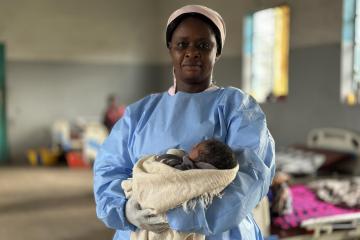
Antho, the maternity ward supervisor, was also involved in the patient’s care but adhered strictly to infection prevention protocols, which shielded her from contracting the virus.
“I always wore gloves and made sure to wash my hands thoroughly with soap and water after every contact with the patient,” Antho recalls, her voice heavy with grief over Juliette’s passing. “Losing Juliette was devastating; she was a pillar of strength for our team, especially during challenging times. Her absence is deeply felt.”
In the context of public health crises, rigorous infection prevention and control (IPC) measures are essential to curbing disease transmission and saving lives. The ongoing Ebola outbreak response in the DRC has prioritized enhancing IPC alongside other critical containment strategies.
Implementing Robust Infection Prevention Protocols in Healthcare Settings
At Bulape hospital and its maternity unit, comprehensive IPC protocols were introduced and reinforced. These included systematic screening and triage at entry points, designated patient flow pathways to minimize cross-contamination, strict hand hygiene enforcement, safe injection techniques, routine environmental cleaning, adequate provision of personal protective equipment (PPE), and meticulous waste disposal procedures.
To ensure these improvements endure, an IPC committee was established. Intensive training sessions were conducted for 75 hygienists, 32 nurses, and 18 physicians, focusing on essential competencies such as triage, hand hygiene, safe injection practices, waste management, proper PPE usage, environmental sanitation, and safe childbirth practices.
Outbreak Overview and Progress Toward Containment
The Ebola outbreak was officially declared on 4 September 2025 after 28 suspected cases and 15 fatalities were reported, including four healthcare workers. Since 19 October, the DRC has been actively working toward declaring the outbreak over. To date, there have been 53 confirmed cases, 34 deaths, and 11 probable cases documented.
Empowering Healthcare Workers Through Safety and Confidence
With enhanced protective measures in place, healthcare professionals now approach their duties with renewed assurance. Antho emphasizes the transformation in workplace culture:
“Previously, we operated on routine alone. Now, safety is our foremost concern. I make sure every new team member understands this from day one.”
Supporting the team’s hygiene and sanitation efforts, Etienne Makashi Pongo, the sanitation supervisor, highlights the practical benefits of IPC:
“Infection prevention isn’t about complicating our tasks; it’s about ensuring that everyone returns home healthy after their shift,” he explains, underscoring the importance of these protocols for staff well-being.
WHO’s Strategic Support in Strengthening Infection Control
The World Health Organization (WHO) has played a pivotal role in bolstering IPC capacity by evaluating 16 health facilities across 10 of Bulape’s 21 health zones. WHO developed tailored improvement plans and provided ongoing supervision and mentorship. Additionally, the organization supplied 200 sets of PPE, 20 pediatric beds and mattresses, and installed a reliable water supply system to sustainably enhance maternity ward operations.
“Childbirth services have resumed in an environment that prioritizes the safety of both patients and healthcare workers. Health personnel are adhering to standard precautions and performing their duties with confidence. Patients feel reassured and are no longer hesitant to seek care,” states Dr. Justin-Marie Bongbango, WHO’s acting head of infection prevention and control.
Lessons Learned: The Imperative of Self-Protection in Healthcare
Reflecting on the outbreak, Antho shares a vital insight gained through this experience:
“To effectively care for others, you must first ensure your own protection.”
