
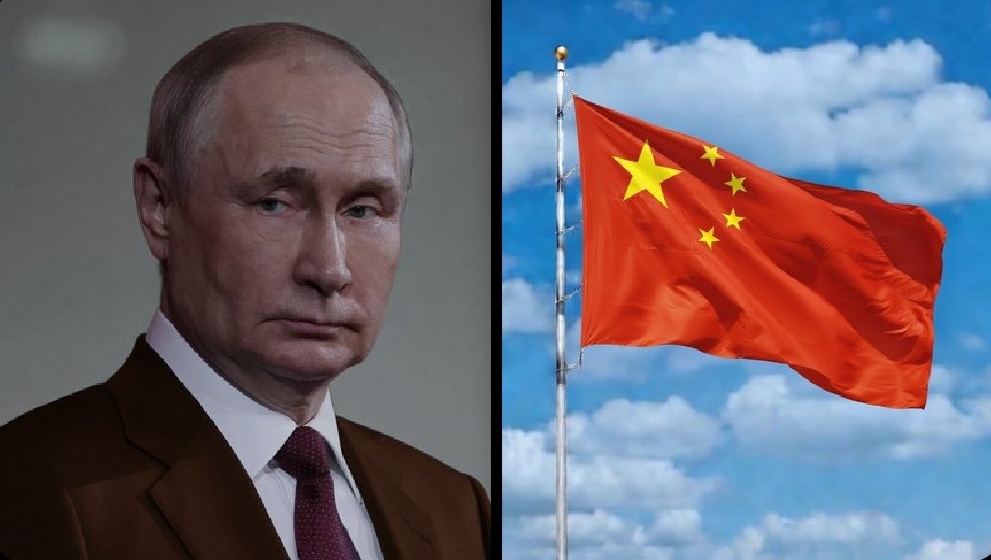
Russian President Vladimir Putin has announced that Russia and China are jointly designing advanced nuclear reactors intended to provide China with low-cost and cleaner energy for decades to come, further deepening the strategic partnership between the two nations.
The collaboration reflects a growing alignment between Moscow and Beijing across energy, trade, and geopolitical strategy. Nuclear power remains a critical component of China’s long-term energy transition plans as the country seeks to reduce pollution, lower carbon emissions, and maintain stable electricity supplies for its massive industrial economy.
Russia possesses extensive expertise in nuclear reactor technology, making it a valuable partner for China’s rapidly expanding energy ambitions. Analysts view the cooperation not only as an economic project but also as a geopolitical statement demonstrating increasing coordination between two powers facing ongoing tensions with the West.
The announcement comes at a time when many nations are reconsidering nuclear energy as part of broader efforts to achieve energy security and climate goals. Supporters argue that modern reactor technologies can provide reliable low-emission electricity, while critics continue to raise concerns over safety, waste management, and geopolitical dependency.
The partnership underscores how energy alliances are increasingly shaping global power dynamics in the twenty-first century.
