
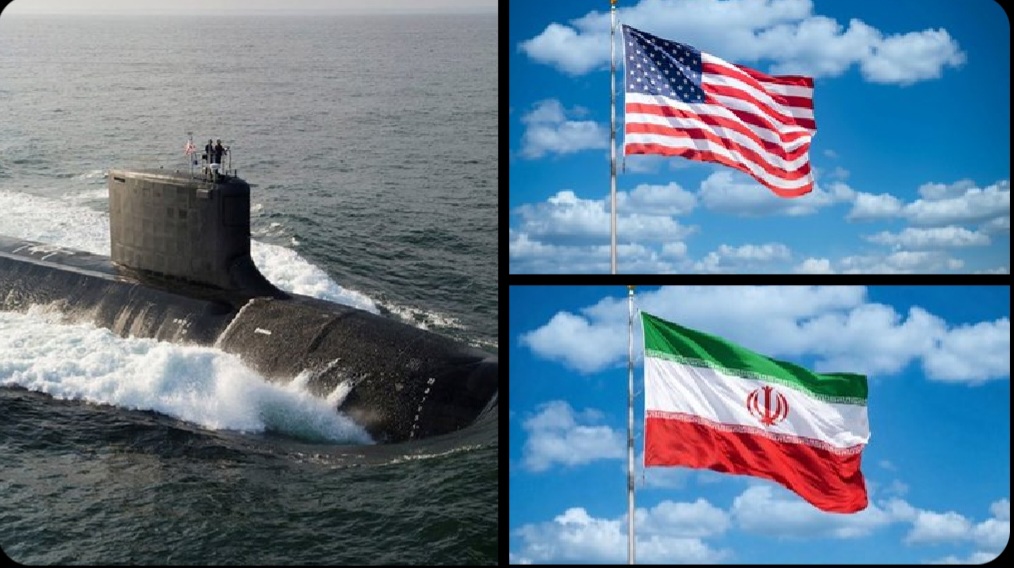
A dramatic escalation in geopolitical signaling has unfolded after the United States confirmed the positioning of a nuclear-capable submarine near Gibraltar, a move that comes immediately after Iran rejected a U.S. peace proposal aimed at de-escalating the widening regional conflict. The development marks one of the most sensitive military signals in recent years, not because of direct combat action, but because nuclear submarines are rarely acknowledged publicly due to their strategic secrecy. The timing alone has intensified global attention: diplomatic negotiations between Washington and Tehran have stalled, with both sides accusing each other of refusing reasonable terms, while energy markets, shipping routes, and military alliances now brace for prolonged instability. Reports indicate that Iran dismissed the American proposal as effectively demanding surrender, insisting instead on sweeping concessions including the lifting of sanctions, recognition of Iranian sovereignty over the Strait of Hormuz, and access to frozen financial assets—conditions the U.S. leadership quickly labeled unacceptable, pushing negotiations into deadlock.
The arrival of a ballistic-missile submarine near Gibraltar represents more than routine naval movement; it serves as strategic messaging. Nuclear submarines form the most survivable element of the United States’ nuclear deterrent, capable of remaining hidden underwater for extended periods while carrying long-range missiles. By allowing its presence to become publicly known, Washington appears to be demonstrating readiness without initiating open conflict—a calculated display meant to reassure NATO allies while warning adversaries that military options remain on the table. Analysts note that such deployments often occur during diplomatic breakdowns, functioning as psychological leverage rather than preparation for immediate attack. The broader backdrop includes an ongoing U.S. naval blockade targeting Iranian shipping activities and mounting tensions around the Strait of Hormuz, a maritime corridor responsible for a significant portion of global oil transit. The United Nations has already warned that prolonged disruption in the region could trigger energy shortages and even food supply crises worldwide if trade routes remain unstable.
Iran, meanwhile, has responded with increasingly firm rhetoric, emphasizing that negotiations must occur on equal footing and warning Western powers against additional military deployments near strategic waterways. Tehran’s leadership argues that its counterproposal focuses on sovereignty and economic survival rather than escalation, yet Washington views those demands as incompatible with security guarantees surrounding Iran’s nuclear program and regional activities. The result is a dangerous diplomatic stalemate in which neither side appears willing to concede publicly, raising fears that symbolic military actions could gradually harden into real confrontation. While no direct clash has occurred, the convergence of failed diplomacy, naval blockades, and visible nuclear deterrence suggests the crisis has entered a new phase—one defined less by negotiations and more by strategic positioning.
For global observers, the submarine’s appearance near Gibraltar underscores how modern conflicts increasingly unfold through signals and posture rather than immediate warfare. Markets, governments, and security analysts are now watching closely for the next move: renewed talks, expanded military deployments, or a breakthrough mediated by third-party nations. Until then, the Mediterranean and the Persian Gulf remain linked theaters of tension, where diplomacy and deterrence are unfolding simultaneously, and where even a symbolic naval maneuver can reshape global security calculations overnight.
