
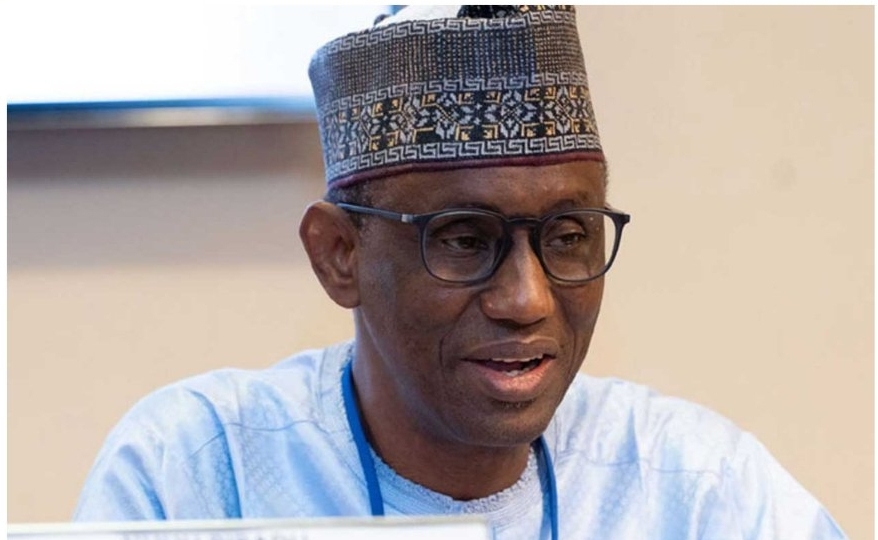
Nigeria’s national security conversation has intensified following explosive allegations that the National Security Adviser to President Bola Ahmed Tinubu, Nuhu Ribadu, allegedly instructed military authorities to limit public disclosure of attacks carried out by extremist groups such as Boko Haram and Islamic State West Africa Province until after Nigeria’s 2027 general elections.
According to reports attributed to unnamed military sources, the alleged directive aims to control public perception of the country’s security situation during a politically sensitive period. While no official confirmation has been issued by government authorities, the claims have triggered intense debate among political analysts, civil society actors, and security observers who argue that transparency remains critical in democratic governance, especially regarding national security threats.
Nigeria has battled insurgency in its northeastern region for over a decade, with Boko Haram and ISWAP responsible for thousands of deaths, mass displacement, and repeated attacks on military formations and civilian communities. Over the years, successive administrations have faced accusations ranging from underreporting casualties to overstating battlefield victories, making public trust in official security communication a recurring issue.
Supporters of centralized information control argue that limiting operational disclosures could prevent panic, protect military strategy, and deny insurgents propaganda victories. Critics, however, warn that suppressing security information risks weakening accountability, undermining public preparedness, and eroding confidence between citizens and the state.
The timing of the allegations is particularly significant as Nigeria gradually moves toward the next electoral cycle, where security performance is expected to become a defining political issue. If substantiated, the claims could reshape conversations about governance transparency, media freedom, and the balance between national security management and democratic openness.
As Nigerians await official clarification, the controversy highlights a deeper question facing modern democracies confronting terrorism: how much information should governments reveal during ongoing security operations, and where should the line between strategy and secrecy be drawn.
