
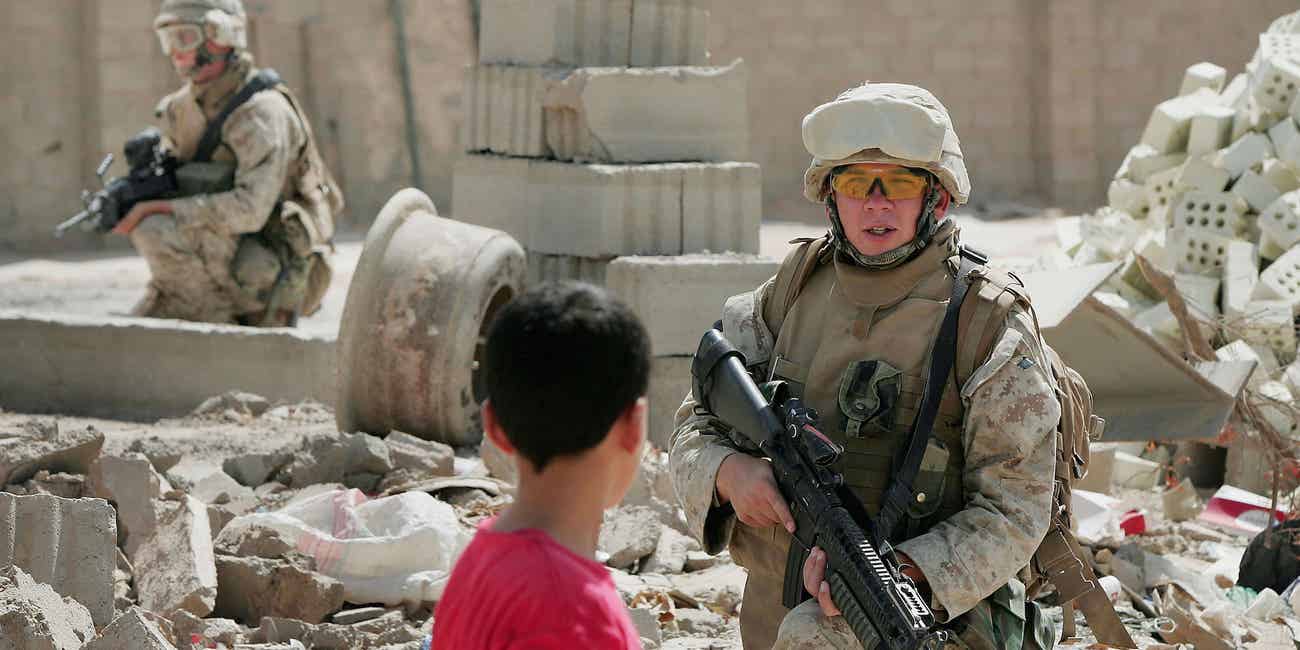
Global financial markets are entering a period of heightened uncertainty following rising geopolitical tensions surrounding a possible United States land invasion into Iranian territory. Beyond military strategy and diplomatic reactions, analysts are increasingly focused on how such developments could reshape currency markets, international trade flows, and economic stability worldwide. Historically, moments of military escalation involving major global powers immediately trigger reactions within the foreign exchange market, often faster than movements seen in traditional economic indicators.
In times of geopolitical crisis, investors typically move their capital toward assets perceived as safe and stable. The United States dollar has long served as the world’s primary safe-haven currency. As fears of conflict increase, global investors, institutions, and central banks often increase their demand for dollars, leading to short-term appreciation of the currency against emerging market currencies and even some developed economies. A potential U.S. ground operation in Iran could therefore initially strengthen the dollar as markets seek security amid uncertainty.
However, the long-term impact may prove more complex. Large-scale military operations require extensive government spending, increased borrowing, and expanding fiscal deficits. Prolonged warfare historically places pressure on national debt levels and may gradually weaken confidence in the dollar if investors begin to question long-term economic sustainability. In such scenarios, global capital may diversify into alternative stores of value such as gold, commodities, or competing currencies, creating volatility across major forex pairs.
Energy markets remain central to understanding the financial consequences of any escalation. Iran’s strategic position near the Strait of Hormuz, one of the world’s most critical oil transit routes, gives geopolitical tensions immediate influence over global oil prices. Any disruption to oil supply could drive crude prices higher, intensify worldwide inflation, and weaken currencies of oil-importing nations while strengthening economies that depend heavily on energy exports. Rising energy costs would also increase transportation, manufacturing, and food prices globally, indirectly influencing exchange rates through inflation expectations.
Current market sentiment reflects caution rather than panic. Traders and financial institutions are closely monitoring diplomatic signals, military movements, and policy responses from major central banks. Currency markets remain highly sensitive, with analysts warning that geopolitical headlines may now move markets more rapidly than economic data releases such as employment reports or interest rate decisions. Volatility is therefore expected to remain elevated as investors attempt to price in both immediate risks and long-term economic consequences.
For businesses, investors, and ordinary citizens, the implications extend beyond financial charts. Exchange rate movements influence fuel prices, import costs, inflation levels, and overall cost of living across many economies. The unfolding situation demonstrates how modern conflicts increasingly carry financial consequences that reach far beyond the battlefield, shaping global economic realities in real time.
