
Table of Contents
Impact of Fuel Subsidy Removal in Nigeria: Economic Consequences and Government Response
Economic Aftershocks Following the Fuel Subsidy Withdrawal
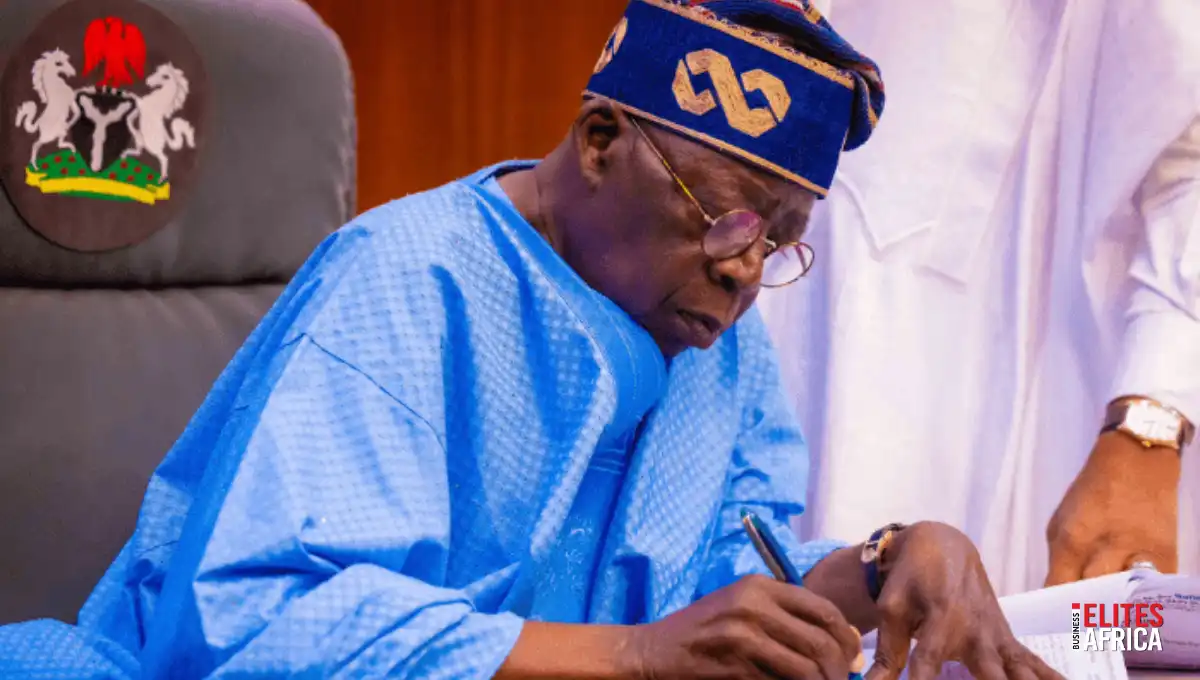
In May 2023, President Bola Tinubu’s decision to eliminate the longstanding fuel subsidy marked a pivotal moment in Nigeria’s economic landscape. This policy shift led to an immediate and significant surge in petrol prices, which cascaded into higher transportation expenses and exacerbated food inflation nationwide. As a result, many Nigerian households faced intensified financial strain, with everyday living costs escalating sharply.
Ripple Effects on Cost of Living and Inflation
The removal of the subsidy caused petrol prices to soar by over 50%, pushing public transport fares upward by approximately 30% within weeks. This inflationary pressure extended beyond fuel, affecting staple food prices such as rice and maize, which saw increases of 15-20% in major urban centers like Lagos and Abuja. According to the National Bureau of Statistics, overall inflation peaked at 22% in the third quarter of 2023, the highest in over a decade, intensifying the burden on low- and middle-income families.
Government Initiatives to Alleviate Economic Hardship
In response to the widespread economic distress, the Federal Government rolled out a series of targeted relief programs aimed at cushioning vulnerable populations. These included direct cash transfers to low-income households, subsidies on essential food items, and increased funding for social safety nets. Additionally, the government launched a fuel price stabilization fund designed to moderate future price volatility and protect consumers from abrupt cost spikes.
Comparative Insights: Lessons from Other Nations
Similar subsidy removals in countries like Indonesia and Egypt have demonstrated that while short-term hardships are inevitable, strategic government interventions can mitigate long-term economic disruption. For instance, Indonesia’s phased subsidy cuts in 2014 were accompanied by expanded social welfare programs, which helped maintain social stability despite initial price hikes. Nigeria’s approach mirrors these strategies, emphasizing the importance of balancing fiscal reforms with social protection.
Looking Ahead: Economic Outlook and Policy Recommendations
As Nigeria navigates the post-subsidy era, experts suggest that sustained investment in renewable energy and public transportation infrastructure could reduce future dependence on fossil fuels and stabilize living costs. Furthermore, enhancing transparency in subsidy management and improving the efficiency of relief distribution remain critical to ensuring that economic reforms translate into inclusive growth. Monitoring inflation trends and adjusting fiscal policies accordingly will be essential to safeguarding household welfare in the coming years.
