
Table of Contents
Tragic Loss: Palestinian WHO Employee Killed Amid Ongoing Conflict
Background of the Incident
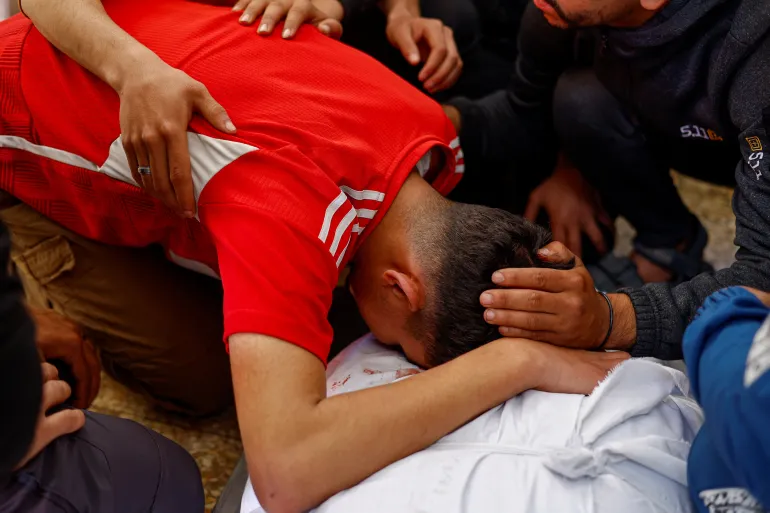
A Palestinian staff member employed by the World Health Organization (WHO), a key United Nations health agency, was fatally shot during recent hostilities involving Israeli forces. This devastating event highlights the increasing dangers faced by humanitarian workers operating in conflict zones, particularly in the volatile region of the Middle East.
Humanitarian Workers at Risk in Conflict Zones
Health professionals and aid workers often find themselves on the frontlines, delivering critical services under perilous conditions. According to the Aid Worker Security Database, over 100 aid workers were killed globally in 2023, with a significant portion occurring in areas of armed conflict. The loss of a WHO employee underscores the urgent need for enhanced protection measures for those providing essential health services amid violence.
Impact on Health Services in Palestine
The death of this WHO staff member not only represents a personal tragedy but also disrupts vital health operations in Palestine. The WHO plays a crucial role in coordinating medical aid, disease control, and emergency response in the region. Interruptions caused by such incidents can exacerbate public health crises, especially during times of heightened conflict when medical needs surge.
International Response and Calls for Protection
Global health and humanitarian organizations have condemned the killing and called for immediate investigations. The United Nations Secretary-General emphasized the necessity of safeguarding health workers, reiterating that attacks on medical personnel violate international humanitarian law. Similar appeals have been made by the International Committee of the Red Cross, which stresses that health workers must be allowed to operate without fear of violence.
Looking Ahead: Strengthening Safety Protocols
In light of this tragedy, there is a growing consensus on the need to reinforce security protocols for humanitarian staff in conflict zones. This includes improved coordination between military forces and aid agencies, enhanced training on risk mitigation, and stronger enforcement of international legal protections. Ensuring the safety of health workers is essential not only for their well-being but also for maintaining uninterrupted access to healthcare for vulnerable populations.
Conclusion
The killing of a Palestinian WHO employee is a stark reminder of the perils faced by those committed to saving lives in war-torn areas. As violence continues to affect the region, the international community must prioritize the protection of humanitarian workers to uphold the delivery of critical health services and uphold human dignity.
