
Table of Contents
Impact of Recent Conflict on Civilians: A Comprehensive Overview
Human Toll: Civilian Casualties and Displacement
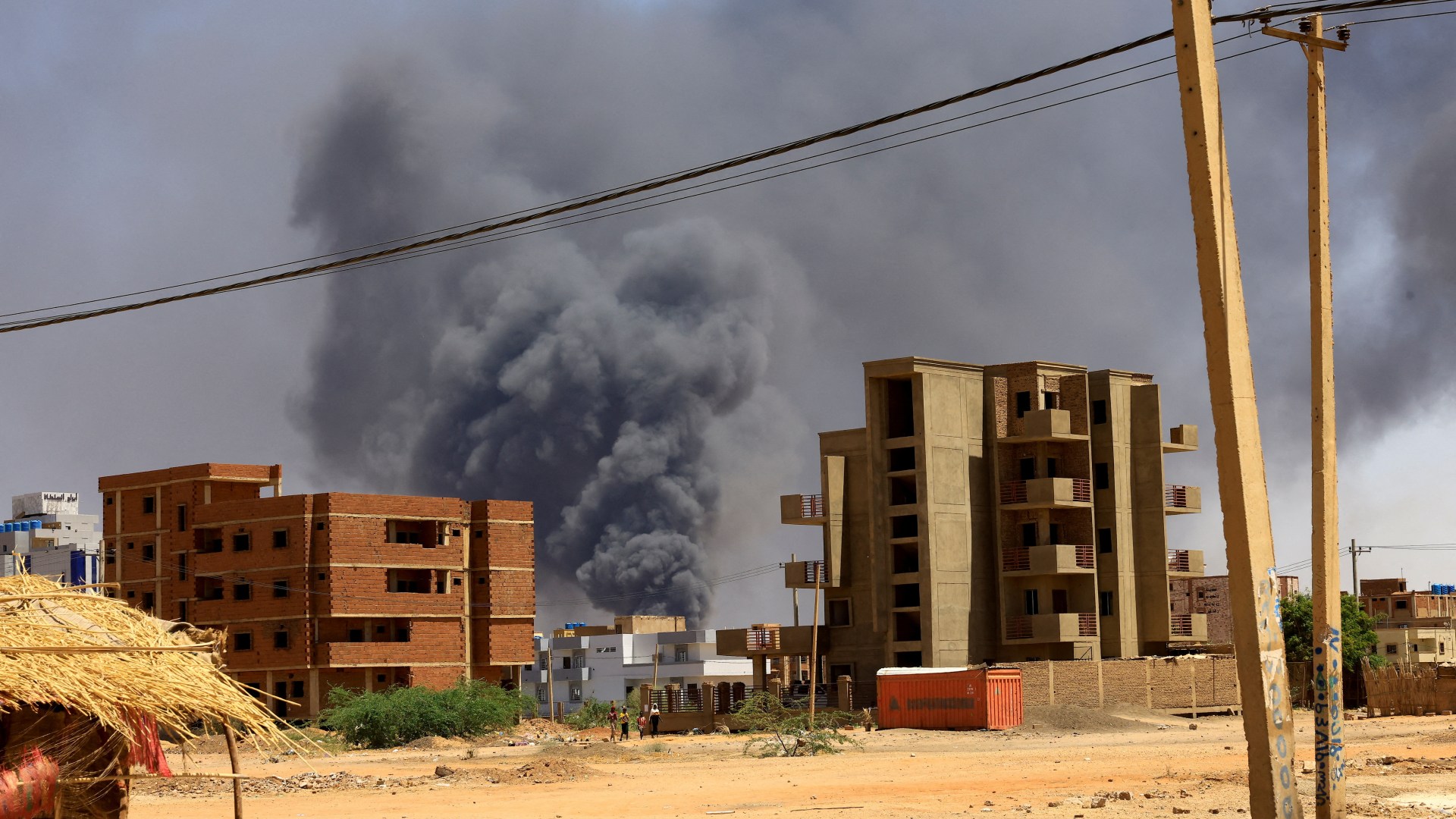
Recent hostilities have tragically resulted in the loss of at least 28 civilian lives, underscoring the severe humanitarian consequences of ongoing conflicts. Beyond fatalities, thousands have been uprooted from their homes, facing uncertain futures as displacement rates surge. According to the latest reports from humanitarian organizations, over 15,000 individuals have been forced to seek refuge in safer regions, highlighting the urgent need for coordinated relief efforts.
Destruction of Infrastructure and Its Ripple Effects
The conflict has also led to widespread damage to critical infrastructure, including schools, hospitals, and water supply systems. For instance, several medical facilities have been rendered inoperable, severely limiting access to essential healthcare services. This destruction not only hampers immediate relief but also threatens long-term community recovery and development.
International Response and Aid Initiatives
Global agencies and governments have mobilized resources to address the escalating crisis. Recent initiatives include the deployment of emergency medical teams and the establishment of temporary shelters equipped with basic necessities. For example, the United Nations has launched a $50 million appeal to support displaced populations, aiming to provide food, clean water, and psychological support.
Looking Ahead: Strategies for Sustainable Peace and Recovery
Experts emphasize that resolving the humanitarian crisis requires not only immediate aid but also long-term strategies focused on peacebuilding and infrastructure rehabilitation. Community-led programs promoting dialogue and reconciliation have shown promise in similar conflict zones, such as in Colombia and Rwanda, where inclusive approaches have fostered stability and social cohesion.
