
Table of Contents
Iran’s Stance on the United States and Its Commitment to the 2024 FIFA World Cup
Political Tensions Lead to Iran’s Boycott of the U.S.
Amid escalating diplomatic strains, Iran has officially declared it will boycott any direct engagements with the United States during the upcoming 2024 FIFA World Cup. This decision underscores the ongoing geopolitical friction between the two nations, reflecting broader regional and international complexities.
Participation in the Global Football Event Remains Unaffected
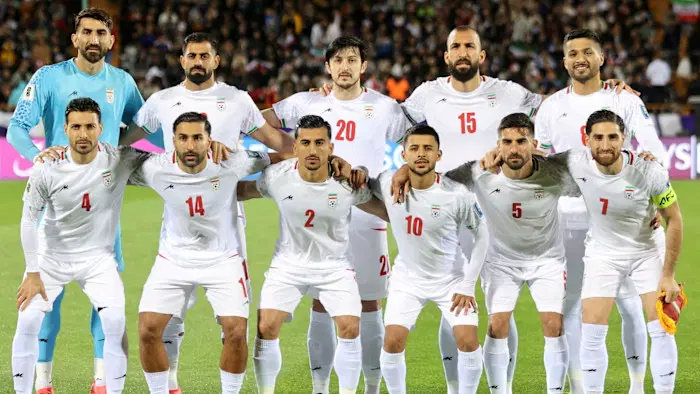
Despite the political boycott, Iran’s national football team remains committed to competing in the tournament. The team’s qualification for the World Cup marks a significant achievement, as they continue to showcase their talent on the world stage. This dual approach highlights Iran’s intent to separate sportsmanship from political disputes.
Historical Context and Recent Developments
Historically, Iran has had a complicated relationship with the United States, often marked by diplomatic stand-offs and sanctions. The decision to boycott U.S. interactions during the World Cup echoes previous instances where sports and politics have intersected, such as the 1980 Moscow Olympics boycott led by the U.S. In 2023, tensions intensified following renewed sanctions and diplomatic disagreements, influencing Iran’s current stance.
Impact on the Tournament and International Relations
Iran’s boycott of U.S. officials at the event may affect diplomatic protocols and media coverage but is unlikely to disrupt the tournament’s overall proceedings. FIFA has emphasized the importance of maintaining a neutral and inclusive environment, encouraging all teams to focus on the spirit of competition. This situation also serves as a reminder of how global sports events can become arenas for political expression.
Looking Ahead: Sports as a Bridge Amidst Political Divides
While Iran’s political boycott signals ongoing tensions, the team’s participation offers a platform for cultural exchange and mutual respect. Sports have historically played a role in easing hostilities, and the 2024 World Cup could provide opportunities for dialogue beyond the pitch. Analysts suggest that such events might pave the way for future diplomatic engagements, even in challenging circumstances.
Conclusion
Iran’s decision to boycott the United States during the 2024 FIFA World Cup, while still competing, reflects the complex interplay between international politics and global sports. As the tournament unfolds, the world will watch not only the matches but also how nations navigate their differences in a highly visible arena.
