
Table of Contents
Enhancing Kidney Health in Nigeria: The Vital Role of Preventive Nutrition and Early Screening
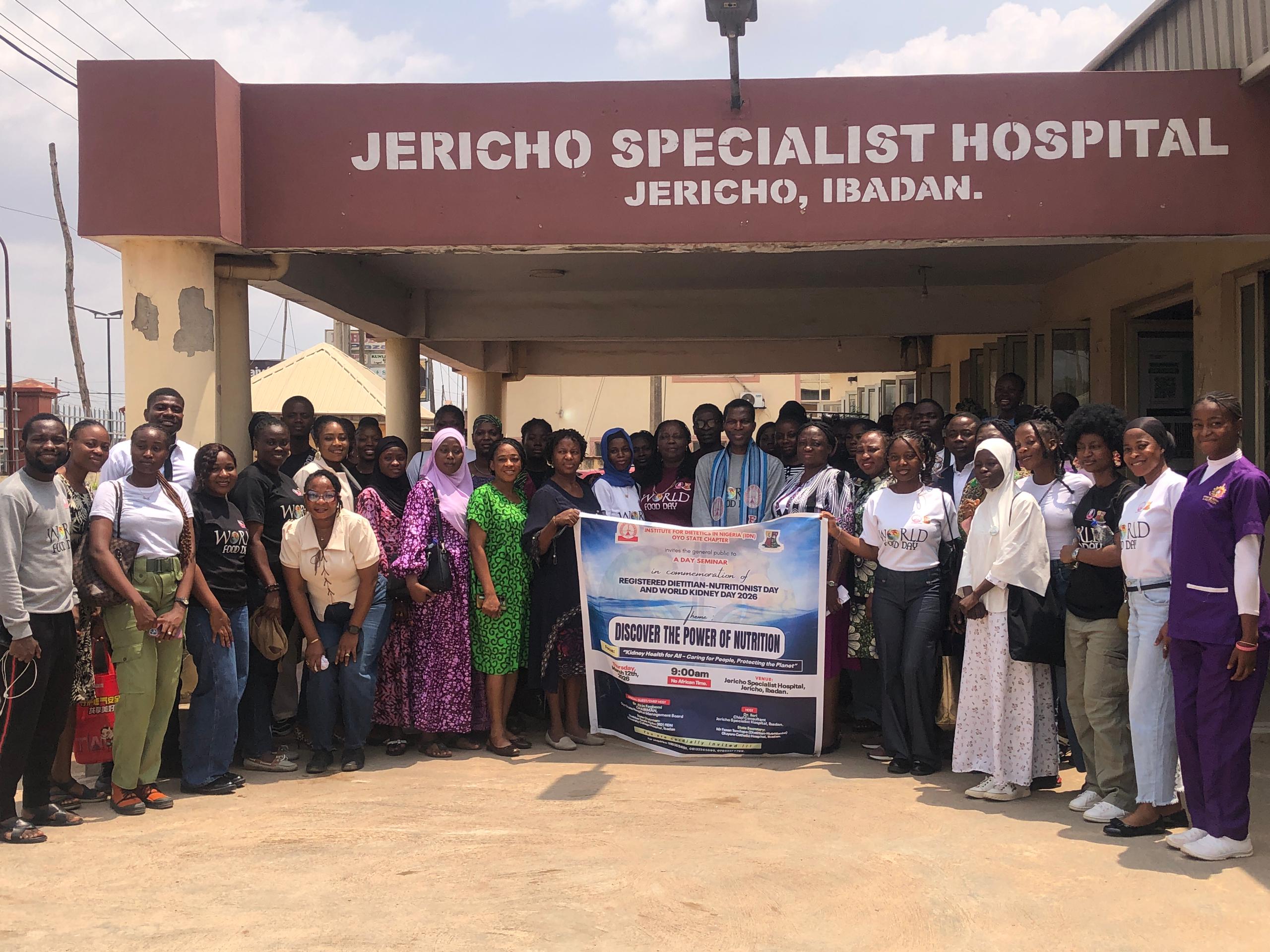
Health professionals and registered dietitians in Nigeria are increasingly emphasizing the importance of preventive nutrition and timely health evaluations to curb the rising incidence of kidney ailments and other chronic non-communicable diseases (NCDs). This urgent appeal was highlighted during a recent seminar hosted by the Institute for Dietetics in Nigeria (IDN), which brought together experts to discuss strategies for improving public health outcomes.
Preventive Nutrition: A Cornerstone for Kidney Disease Management
Preventive nutrition involves adopting dietary habits that reduce the risk of developing kidney disorders and related chronic conditions such as hypertension and diabetes. According to the World Health Organization, NCDs account for over 29% of deaths in Nigeria, with kidney disease being a significant contributor. Nutritionists advocate for diets rich in fruits, vegetables, whole grains, and lean proteins while limiting salt, sugar, and processed foods to maintain optimal kidney function.
Current Dietary Recommendations and Their Impact
Recent studies indicate that incorporating foods high in antioxidants and anti-inflammatory properties, such as berries, leafy greens, and nuts, can slow the progression of kidney damage. For instance, a 2023 study published in the Journal of Renal Nutrition found that patients adhering to a Mediterranean-style diet experienced a 25% reduction in kidney disease progression compared to those on standard diets.
The Imperative of Early Health Screening
Early detection through routine health screenings is critical in identifying kidney dysfunction before it advances to irreversible stages. The IDN seminar underscored that many Nigerians remain unaware of their kidney health status until symptoms become severe, often leading to costly treatments like dialysis or transplantation. Regular screening for blood pressure, blood sugar, and kidney function markers such as glomerular filtration rate (GFR) can facilitate timely interventions.
Implementing Community-Based Screening Programs
To bridge the awareness gap, health experts recommend establishing community outreach initiatives that provide free or affordable screening services. For example, pilot programs in Lagos and Abuja have successfully screened over 10,000 individuals in the past year, identifying early-stage kidney disease in 8% of participants, enabling prompt medical advice and lifestyle modifications.
Integrating Preventive Strategies into National Health Policies
Experts at the seminar called for the Nigerian government to incorporate preventive nutrition and early screening into national health frameworks. This integration would involve training healthcare workers, increasing public education campaigns, and subsidizing essential diagnostic tests. Such measures align with the Sustainable Development Goals (SDGs), particularly Goal 3, which aims to ensure healthy lives and promote well-being for all ages.
Looking Ahead: A Collaborative Approach
Combating kidney disease in Nigeria requires a multi-sectoral effort involving dietitians, healthcare providers, policymakers, and community leaders. By prioritizing preventive nutrition and early detection, Nigeria can reduce the burden of kidney disease, improve quality of life, and decrease healthcare costs associated with advanced treatments.
