
Table of Contents
Fuel Price Surge Threatens Nigeria’s Economic Stability
Potential Increase in Fuel Costs: What to Expect
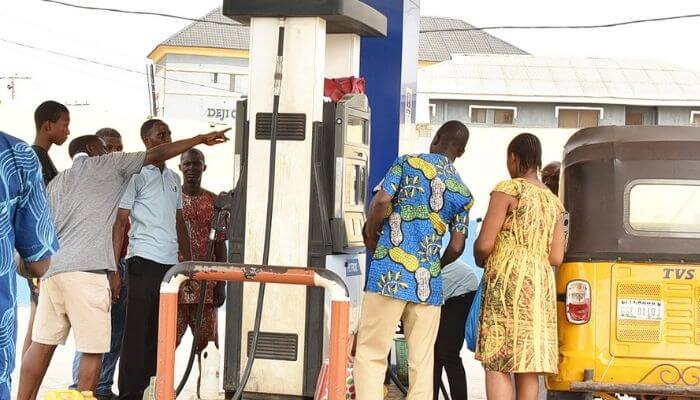
Retail fuel vendors have warned that the price of petrol may escalate to as high as ₦2,000 per litre. This anticipated hike poses a significant challenge to Nigeria’s already delicate efforts to control inflation, which has been a persistent concern for both policymakers and consumers alike.
Dangote’s Strategic Move: Authorizing New Marketers
In a bid to stabilize the fuel supply chain and mitigate inflationary pressures, industrial magnate Aliko Dangote has recently sanctioned 20 new marketers to participate in the distribution of petroleum products. This decision aims to enhance competition and improve accessibility, potentially easing the strain on fuel availability across the country.
Inflation and Fuel Prices: A Vicious Cycle
The rise in fuel prices often triggers a ripple effect throughout the economy, driving up transportation and production costs. This, in turn, leads to higher prices for goods and services, exacerbating inflationary trends. According to the National Bureau of Statistics, Nigeria’s inflation rate stood at 22.3% as of May 2024, underscoring the urgency of addressing fuel cost volatility.
Comparative Insights: Global Fuel Price Trends
Similar inflationary pressures linked to fuel price increases have been observed in other emerging economies. For instance, India recently experienced a 15% surge in petrol prices, which contributed to a nationwide inflation spike. These parallels highlight the interconnectedness of fuel costs and economic stability worldwide.
Looking Ahead: Strategies to Cushion the Impact
To counteract the adverse effects of rising fuel prices, experts recommend diversifying energy sources and investing in renewable alternatives. Additionally, government subsidies and improved regulatory frameworks could provide temporary relief to consumers while long-term solutions are developed.
