
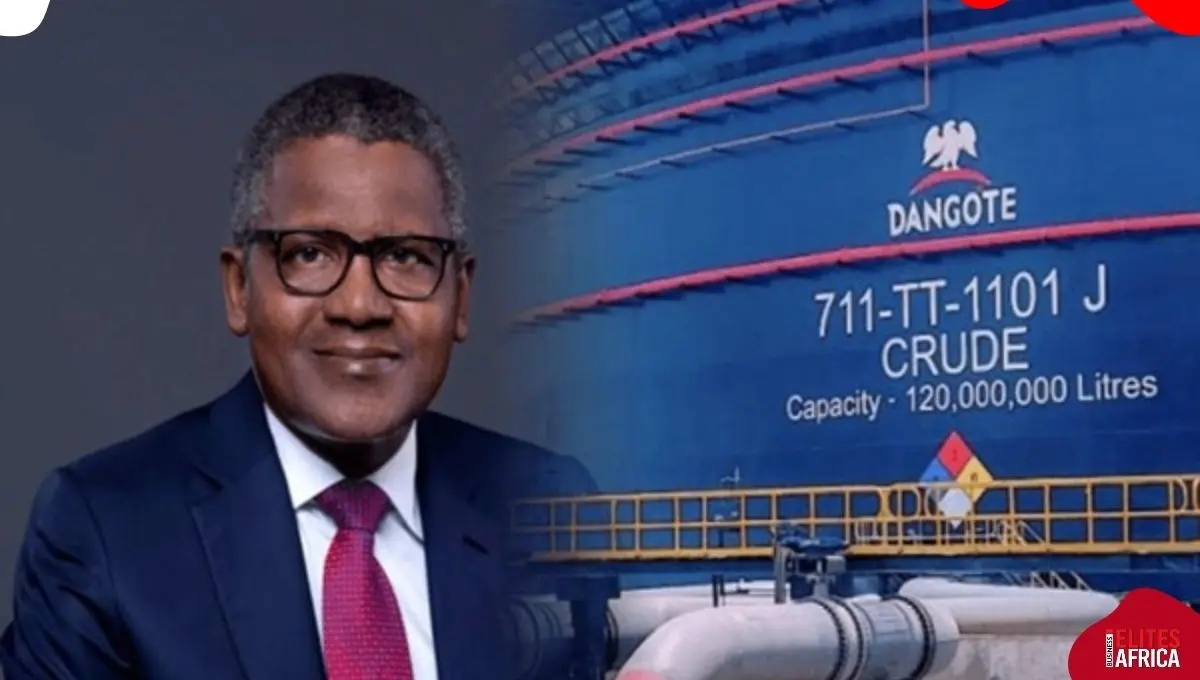
Nigeria’s fuel market has recorded another major shift after the Dangote Refinery reportedly increased the price of petrol to ₦1,175 per litre.
The new pricing has sparked widespread reactions among Nigerians already grappling with rising transportation costs and a general increase in the cost of living.
New Price Sparks Concern
According to reports circulating on Monday, the refinery adjusted the ex-depot price of Premium Motor Spirit (PMS), commonly known as petrol, pushing it to ₦1,175 per litre.
The development could lead to higher pump prices nationwide, as filling stations adjust retail prices to reflect the new refinery cost.
Industry observers say the increase may be influenced by several factors including:
Rising global crude oil prices Exchange rate pressures Operational and distribution costs Market-driven pricing under Nigeria’s deregulated fuel system
Impact on Nigerians
If the adjustment reflects fully at filling stations, Nigerians may soon see another jump in petrol pump prices, which would likely affect:
Transportation fares Food prices Logistics and delivery costs Electricity generation for businesses relying on fuel-powered generators
For many households and small businesses, fuel remains a critical daily expense.
Dangote Refinery’s Role in Nigeria’s Energy Market
The Dangote Refinery, owned by Nigerian billionaire Aliko Dangote, is Africa’s largest refinery and was expected to reduce Nigeria’s dependence on imported refined petroleum products.
Since beginning operations, the refinery has gradually become a major supplier of refined products within the country, making its pricing decisions highly influential in Nigeria’s fuel market.
What Happens Next
Market analysts expect fuel marketers across the country to review their prices in response to the new refinery rate.
However, official confirmation from regulators and major fuel distributors is still expected, as stakeholders assess how the change will affect the broader petroleum supply chain.
For now, Nigerians are closely watching the market, as any further increase could add more pressure to an already strained economy.
