
Table of Contents
Senate President Akpabio Commends President Tinubu’s Fuel Subsidy Removal
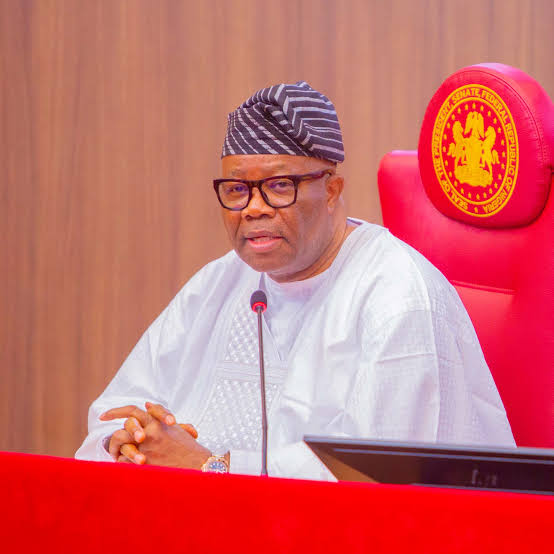
Senate President Godswill Akpabio has expressed his gratitude to President Bola Ahmed Tinubu for the recent elimination of the fuel subsidy, highlighting the positive financial impact on state governments.
Increased Allocations to State Governments
Akpabio revealed that the removal of the fuel subsidy has significantly boosted the funds allocated to governors. He noted that many current governors now receive allocations that are approximately four times greater than what he obtained during his tenure as governor of Akwa Ibom State. This substantial increase in revenue is attributed to the government’s revised fiscal policies under the current administration.
Reflecting on Past and Present Governance
Reflecting on these changes, Akpabio expressed a wish to have governed under the present administration, acknowledging the enhanced financial resources available to state executives today. This sentiment underscores the transformative effect of the subsidy removal on Nigeria’s fiscal landscape.
Senate’s Role in Policy Oversight
Addressing criticisms that senators merely rubber-stamp decisions, Akpabio emphasized the Senate’s diligent review process. He stated, “Contrary to popular belief, we thoroughly scrutinize every proposal before us to ensure they align with the best interests of Nigerians.” This commitment to careful legislative oversight is crucial in maintaining transparency and accountability.
Appreciation for Tax Reforms and Economic Measures
Akpabio also extended his thanks for the tax reforms implemented by the Tinubu administration, which, alongside the subsidy removal, have strengthened Nigeria’s economic framework. These reforms are part of broader efforts to stabilize the nation’s finances and promote sustainable development.
Contextualizing the Impact
According to recent data from the Nigerian National Bureau of Statistics, the removal of fuel subsidies has contributed to a 15% increase in federal allocations to states in the first quarter of 2024 compared to the previous year. This fiscal adjustment has enabled many states to expand infrastructure projects and social programs, illustrating the tangible benefits of the policy shift.
