
Table of Contents
Australia Endorses Removal of Andrew Mountbatten-Windsor from Royal Succession
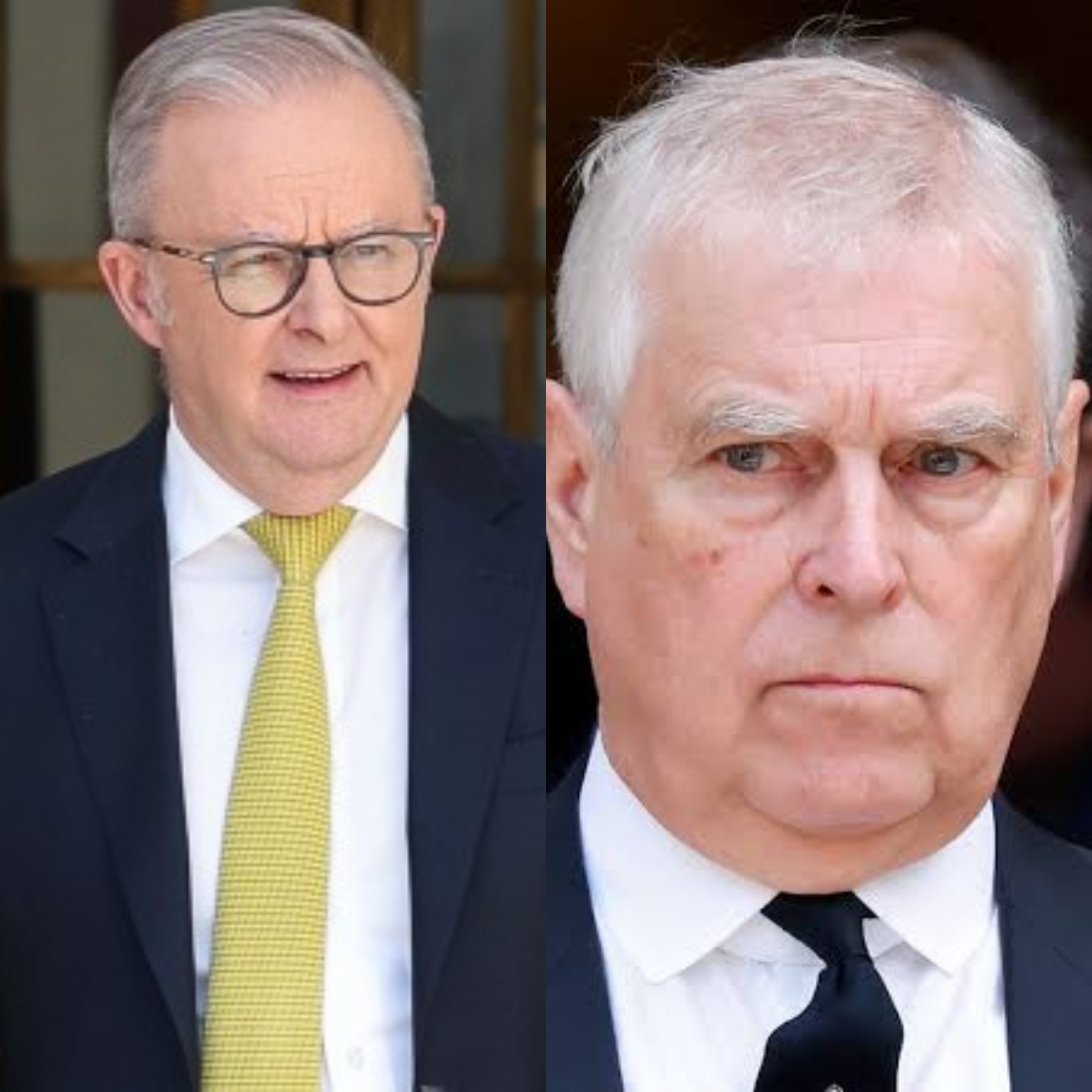
In a significant development, Australia’s Prime Minister Anthony Albanese has formally expressed support for removing Prince Andrew from the British royal line of succession. This move follows Andrew’s recent arrest on allegations of misconduct during his tenure as a UK trade envoy between 2001 and 2011.
Background on the Allegations and Investigation
Prince Andrew was detained for an extensive 11-hour police interview on February 19, coinciding with his 66th birthday. He was subsequently released pending further investigation. Throughout the process, Andrew has consistently denied any involvement in wrongdoing, particularly concerning his controversial links to convicted sex offender Jeffrey Epstein.
Albanese’s Letter to UK Prime Minister Keir Starmer
Anthony Albanese, known for his republican stance, conveyed Australia’s position in a letter to UK Prime Minister Sir Keir Starmer. He emphasized the seriousness with which Australians view the allegations against Andrew Mountbatten-Windsor. Albanese stated:
“Given the recent developments involving Andrew Mountbatten-Windsor, I wish to confirm that the Australian government supports any initiative to remove him from the royal succession line. We concur with His Majesty that the legal process must proceed thoroughly and impartially. These allegations are of a grave nature, and Australians regard them with utmost seriousness.”
Legal and Constitutional Implications
Despite losing his royal title last year, Prince Andrew remains eighth in line to the throne. Removing him from succession would necessitate an Act of the UK Parliament and require the consent of all 14 Commonwealth realms recognizing King Charles III as their monarch, including Australia, Canada, and New Zealand.
Sir Keir Starmer’s administration is reportedly reviewing the possibility of introducing legislation to formalize Andrew’s removal once the police investigation concludes. This reflects the complex constitutional process involved in altering the royal succession.
Additional Controversies Surrounding Prince Andrew
Recent reports by the BBC have further tarnished Andrew’s reputation, alleging misuse of public funds for personal expenses such as massages and extravagant travel during his time as a trade envoy. A whistleblower, formerly a civil servant, revealed that attempts to refuse payment for these costs were overridden by senior officials, raising questions about accountability within the royal household.
Government Responses and Next Steps
When questioned about Australia’s letter, a spokesperson for Prime Minister Starmer acknowledged receipt and confirmed that the government is considering all options regarding Andrew Mountbatten-Windsor’s status. However, due to the ongoing police inquiry, no further comments have been made at this stage.
Notably, Australia remains the only Commonwealth realm to publicly support Andrew’s removal from the succession line, signaling a potential shift in the traditional deference shown to royal matters within the Commonwealth.
Contextualizing the Move Within Commonwealth Relations
This development highlights evolving attitudes toward the monarchy among Commonwealth nations. With republican sentiments gaining traction in countries like Australia, the willingness to challenge royal protocols marks a significant moment in the relationship between the UK and its former colonies. Recent polls indicate that nearly 50% of Australians now favor becoming a republic, underscoring the political backdrop to Albanese’s stance.
