
Table of Contents
Mark Zuckerberg to Testify in Pivotal Social Media Addiction Lawsuit
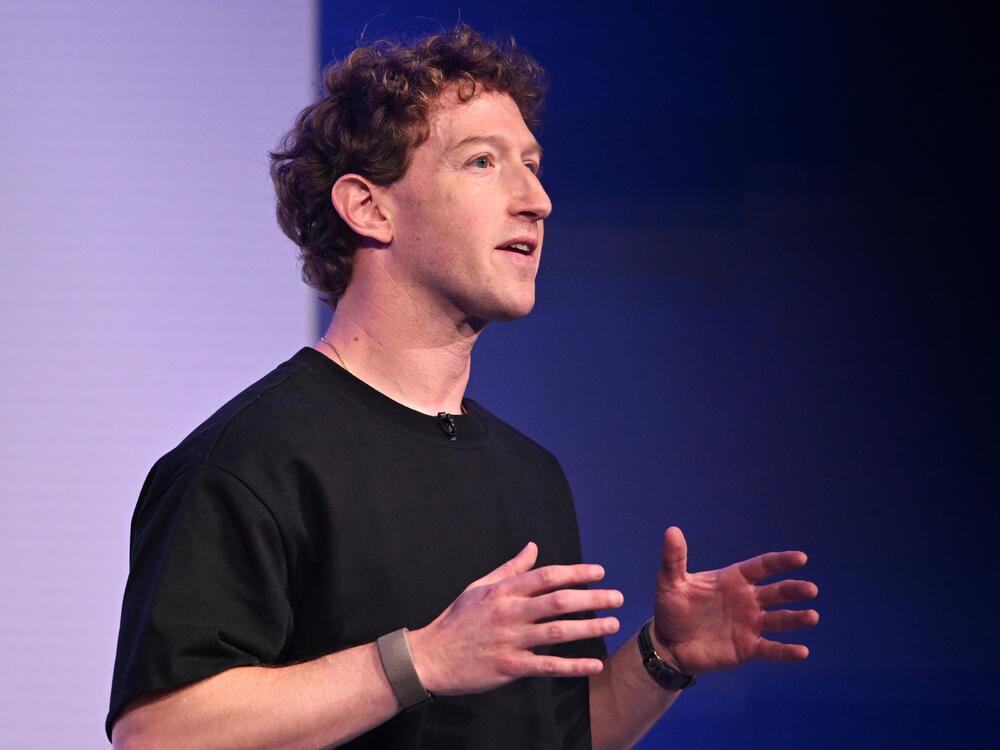
Meta’s CEO, Mark Zuckerberg, is slated to appear in court this Wednesday as part of a groundbreaking trial in California addressing social media addiction. The lawsuit accuses Instagram and other platforms owned by Meta of being deliberately engineered to foster addictive behaviors among young users.
Significance of the Trial and Zuckerberg’s Role
At 41 years old, Zuckerberg stands as the most prominent figure to testify in this case, which represents the first of many lawsuits filed by American families against major social media corporations. This trial could set a precedent influencing thousands of similar legal actions nationwide. It will also be the first occasion Zuckerberg directly confronts questions about the safety and impact of Meta’s platforms in front of a jury.
Jury Selection and Trial Atmosphere
During jury selection in Los Angeles, Meta’s legal team worked to exclude potential jurors perceived as biased against Zuckerberg. The trial is expected to continue through late March, with jurors evaluating whether Instagram and Google-owned YouTube bear responsibility for mental health challenges experienced by Kaley G.M., a 20-year-old Californian who has been an avid social media user since childhood.
Background of the Plaintiff’s Social Media Use
According to court documents, Kaley began engaging with YouTube at age six, joined Instagram at 11, and later expanded her usage to platforms like TikTok and Snapchat. The core issue for the jury is whether Meta and Google intentionally designed their platforms’ algorithms and personalization tools to promote compulsive use among youth, potentially exacerbating mental health problems.
Legal Implications and Broader Context
This case, along with two additional trials scheduled later this year in Los Angeles, aims to establish a legal framework for addressing thousands of claims that social media contributes to increasing rates of depression, anxiety, eating disorders, and suicide among young people. Notably, U.S. law generally protects companies from liability related to user-generated content, so the focus here is on app design and platform features.
Settlements and Testimonies from Other Executives
TikTok and Snapchat, also named in the lawsuit, reached confidential settlements with the plaintiff prior to the trial. Earlier testimony from Instagram’s head, Adam Mosseri, rejected the term “social media addiction,” preferring “problematic use.” Mosseri explained, “I’ve said I was addicted to a Netflix show when I binged it late, but that’s not the same as clinical addiction.” His remarks elicited emotional responses from family members of teenagers who died by suicide attending the hearing.
Expert Insights on Social Media’s Impact
The plaintiff’s attorneys called psychiatrist Dr. Anna Lembke to testify, who described social media as a potential “gateway drug” for youth, influencing brain development and reinforcing addictive behaviors. This perspective highlights growing concerns among mental health professionals about the neurological effects of prolonged social media exposure on adolescents.
Controversies Over Instagram Features
During cross-examination, Mosseri addressed internal communications regarding Instagram’s cosmetic surgery filters. Despite warnings from some executives about the filters’ harmful impact on young girls’ self-esteem, Zuckerberg decided in 2020 to retain them, reportedly due to fears of losing users to competitors like TikTok. This decision underscores the tension between user safety and market competition within social media companies.
Additional Trial Developments and Related Cases
While YouTube CEO Neal Mohan was initially expected to testify, another YouTube executive took his place, according to the plaintiff’s legal team. Concurrently, a separate nationwide lawsuit is underway in federal court in Oakland, California, which may lead to a trial in 2026. Meta is also facing legal challenges in New Mexico, where prosecutors accuse the company of prioritizing profits over protecting minors from sexual predators.
Looking Ahead
This landmark trial represents a critical moment in the ongoing debate over social media’s role in public health, particularly among youth. With over 4 billion social media users worldwide as of 2024, according to recent statistics from DataReportal, the outcomes of these legal battles could have far-reaching consequences for platform design, regulation, and corporate accountability.
