
Table of Contents
The 2027 Nigerian Presidential Election: A Clash Between Urban and Rural Influences
Business magnate Isaac Fayose has characterized the upcoming 2027 presidential election as a contest between two distinct groups he dubs the “City Boys” and the “Village Boys.” This framing highlights the socio-political divide shaping Nigeria’s electoral landscape.
Who Are the “City Boys”?
The “City Boys” represent a coalition of influential urban elites and entrepreneurs who are actively supporting the re-election campaign of President Bola Tinubu. This faction includes prominent figures such as Obi Cubana and Cubana Chiefpriest, among others. Despite their significant backing, this group has faced criticism from various quarters of Nigerian society for their overt political endorsements.
“Village Boys” and Their Rising Influence
Contrasting the urban faction, the “Village Boys” symbolize grassroots supporters and rural communities who are rallying behind Peter Obi, a key opposition figure. Fayose predicts that Obi will secure a decisive victory over Tinubu in the South East and South South geopolitical zones, regions known for their strong community ties and growing political activism.
Political Dynamics and Regional Implications
This election is shaping up to be a pivotal moment, reflecting deeper societal divisions between Nigeria’s metropolitan centers and its rural heartlands. The “City Boys” leverage economic power and urban networks, while the “Village Boys” draw strength from local solidarity and regional identity. Recent polls indicate that voter turnout in rural areas has increased by 15% compared to the 2023 elections, underscoring the growing political engagement outside major cities.
Looking Ahead: What This Means for Nigeria’s Democracy
The 2027 election will not only determine the next president but also test the balance of influence between Nigeria’s urban elites and rural populations. As political campaigns intensify, the narratives of both “City Boys” and “Village Boys” will play a crucial role in shaping voter perceptions and outcomes.
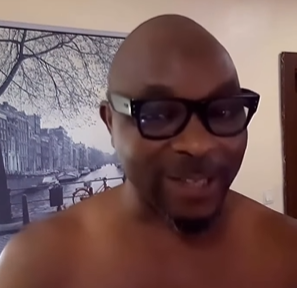
Watch Isaac Fayose’s Commentary
For a firsthand account of Fayose’s perspective on this electoral battle, watch his detailed explanation below:
