
Table of Contents
House of Representatives to Convene Emergency Session Over 2027 Election Schedule
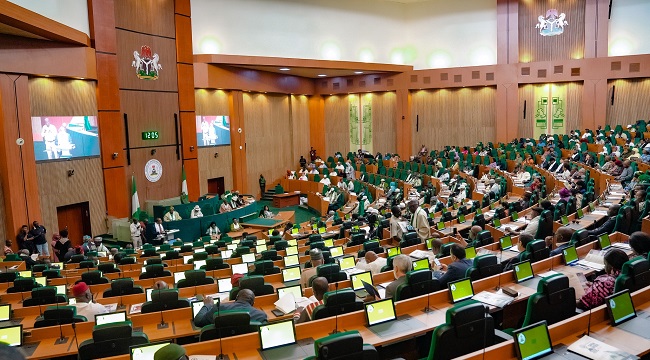
The Nigerian House of Representatives has declared an emergency sitting scheduled for Tuesday, February 17, 2026. This urgent meeting aims to address issues stemming from the recently published 2027 General Election timetable by the Independent National Electoral Commission (INEC).
Official Notification and Legislative Priorities
The announcement was made public through a statement signed by the House spokesperson, Hon. Akin Rotimi. According to Rotimi, members received an internal memo from the Speaker’s Office late on Friday, underscoring the constitutional significance of the election timetable and the necessity for swift legislative scrutiny.
The statement highlighted that this emergency session reflects the House’s dedication to promptly tackling matters with profound implications for Nigeria’s democratic framework. Lawmakers have been urged to prioritize attendance, given the critical nature of the discussions.
Focus of the Emergency Sitting
Deliberations during the session are expected to revolve around legislative responses to INEC’s timetable announcement, aligning with the National Assembly’s constitutional responsibilities. The House emphasized that all related legislative activities will be expedited to ensure timely resolution.
Reaffirming its commitment to fortifying Nigeria’s democratic institutions, the House pledged to enact laws that serve the best interests of the citizenry, promoting transparency and accountability in the electoral process.
Details of the 2027 Election Timetable
INEC disclosed that the Presidential and National Assembly elections are slated for February 20, 2027, while the governorship and state assembly elections will take place on March 6, 2027. Additionally, political parties are expected to conduct their primaries between May 22 and June 20, 2026.
Concerns Over Election Dates Amid Ramadan
The announcement has sparked apprehension among segments of the Nigerian population, particularly Muslim communities, due to the overlap of the general election date with the holy month of Ramadan. Critics argue that fasting could affect voter turnout and the efficiency of electoral officials and observers.
Among the prominent voices is former Vice President and Peoples Democratic Party (PDP) presidential aspirant Atiku Abubakar, who has called on INEC to reconsider the February 20 election date to avoid conflicts with Ramadan observances.
INEC’s Response to Public Concerns
In response, INEC’s National Commissioner and Chairman of the Information and Voter Education Committee, Mohammed Haruna, issued a statement affirming that the election timetable was formulated in strict adherence to the Nigerian Constitution (1999, as amended), the Electoral Act 2022, and INEC’s own regulations established in 2019.
Haruna acknowledged the concerns raised and confirmed that the commission is engaging in consultations and may seek legislative adjustments if necessary, ensuring any changes comply with constitutional and legal frameworks.
He reiterated INEC’s commitment to conducting transparent, inclusive, and credible elections, promising to keep the public informed of any updates.
Looking Ahead: Ensuring a Smooth Electoral Process
As Nigeria approaches the 2027 elections, the House of Representatives’ proactive stance and INEC’s openness to dialogue underscore the importance of balancing constitutional mandates with the practical realities of the electoral calendar. With over 93 million registered voters as of 2024, ensuring maximum participation and fairness remains paramount.
Similar challenges have been observed in other democracies where elections coincide with significant religious observances. For instance, in Indonesia, election authorities have adjusted polling times during Ramadan to accommodate fasting voters, a strategy that Nigeria might consider to enhance voter turnout and inclusivity.
Ultimately, the upcoming emergency sitting and ongoing consultations signal a commitment to refining Nigeria’s electoral process, safeguarding democratic values, and fostering national unity ahead of the 2027 polls.
