
Table of Contents
US Congressional Bill Targeting Rabiu Kwankwaso Sparks Controversy
Senator Ali Ndume Questions Inclusion of Former Kano Governor
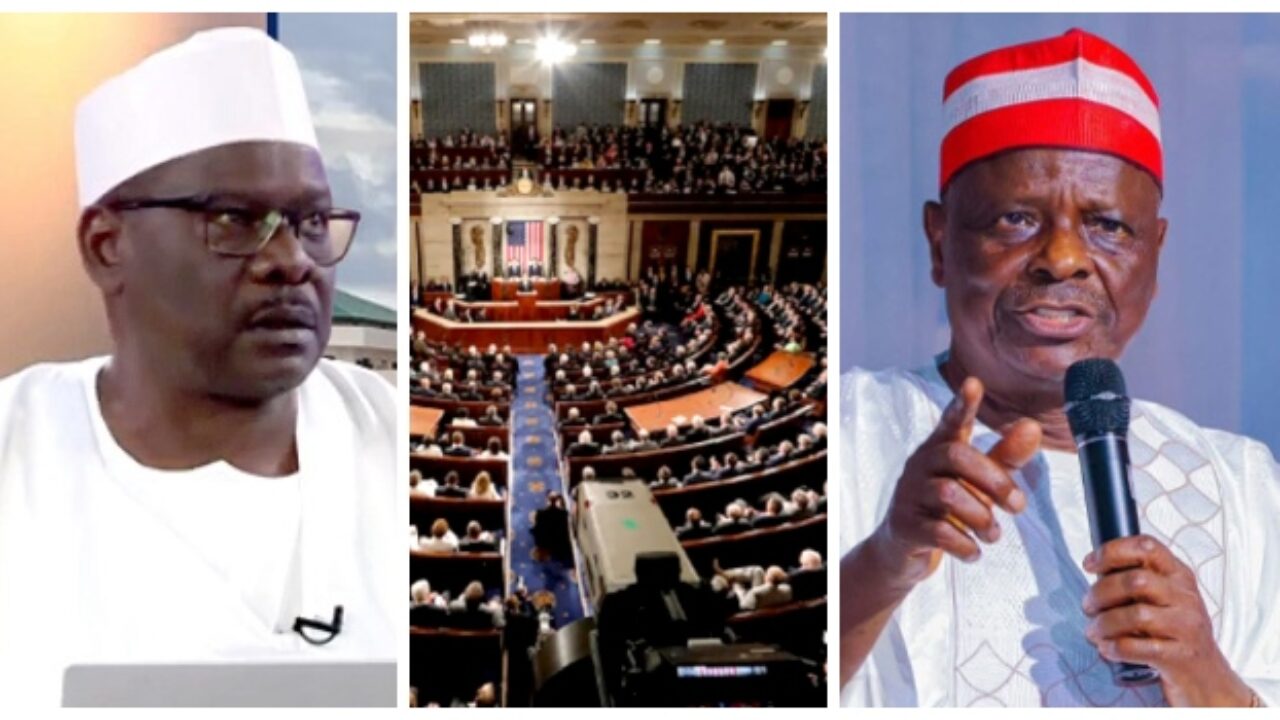
Senator Ali Ndume, representing Borno South, has expressed astonishment over a recent bill introduced in the United States Congress that proposes sanctions against Rabiu Kwankwaso, the former governor of Kano State. Speaking on Channels Television’s Politics Today, Ndume voiced his surprise at Kwankwaso’s name being singled out, emphasizing the need for clarity on the reasons behind this decision.
“It is unexpected that Kwankwaso’s name appears in this context. I am eager to understand the basis and evidence that led to his mention,” Ndume remarked. He further suggested that there might be undisclosed intelligence or information influencing this move, which is not publicly known.
Details of the Proposed Sanctions and Legislative Intent
The bill, titled the Nigeria Religious Freedom and Accountability Act of 2026, was introduced by five US lawmakers: Chris Smith, Riley Moore, Brian Mast, Mario Diaz-Balart, and Bill Huizenga. It seeks to impose targeted sanctions, including visa restrictions and asset freezes, under the Global Magnitsky Human Rights Accountability Act. The legislation names several entities and individuals, including Kwankwaso, the Miyetti Allah Cattle Breeders Association of Nigeria (MACBAN), and Miyetti Allah Kautal Hore, accusing them of severe violations of religious freedom.
According to the bill, the US Departments of State and Treasury are urged to take action against those responsible for these alleged abuses or provide Congress with explanations if sanctions are not applied.
Context: Nigeria’s Designation as a Country of Particular Concern
This legislative development follows the decision by former US President Donald Trump to redesignate Nigeria as a Country of Particular Concern (CPC) due to reported attacks on Christian communities. The lawmakers behind the bill have defended this designation as justified, citing ongoing religious violence.
However, Senator Ndume has called for a more nuanced approach, urging foreign governments to focus on specific individuals or groups responsible for violations rather than labeling the entire nation. “Most Nigerians are law-abiding citizens. The problem lies with a few individuals who control assets abroad, yet remain unexposed,” he stated.
Reactions from Kwankwaso’s Supporters and Political Allies
The Kwankwasiyya Movement, led by Kwankwaso himself, has strongly rejected the bill’s allegations, describing them as baseless and politically motivated. Spokesperson Habibu Mohammed emphasized that there is no credible public evidence supporting the accusations against the former governor.
Additionally, Folashade Aliu, a prominent member of the New Nigeria Peoples Party (NNPP) under which Kwankwaso ran for president in 2023, criticized the bill’s focus. She questioned the rationale behind singling out one individual in a country grappling with complex religious and security challenges.
Broader Implications and the Need for Transparent Dialogue
The introduction of this bill highlights ongoing international concerns about religious freedom and security in Nigeria. Yet, it also underscores the importance of transparent investigations and fair treatment of individuals named in such legislation. As of mid-2024, Nigeria continues to face challenges related to ethnic and religious tensions, with recent reports indicating a 15% increase in communal conflicts compared to the previous year.
Moving forward, experts suggest that collaborative efforts between Nigerian authorities and international partners are essential to address root causes and promote peace, rather than relying solely on punitive measures that may deepen divisions.
