
Table of Contents
Ukrainian Skeleton Racer Excluded from Milano Cortina Olympics Over Helmet Tribute
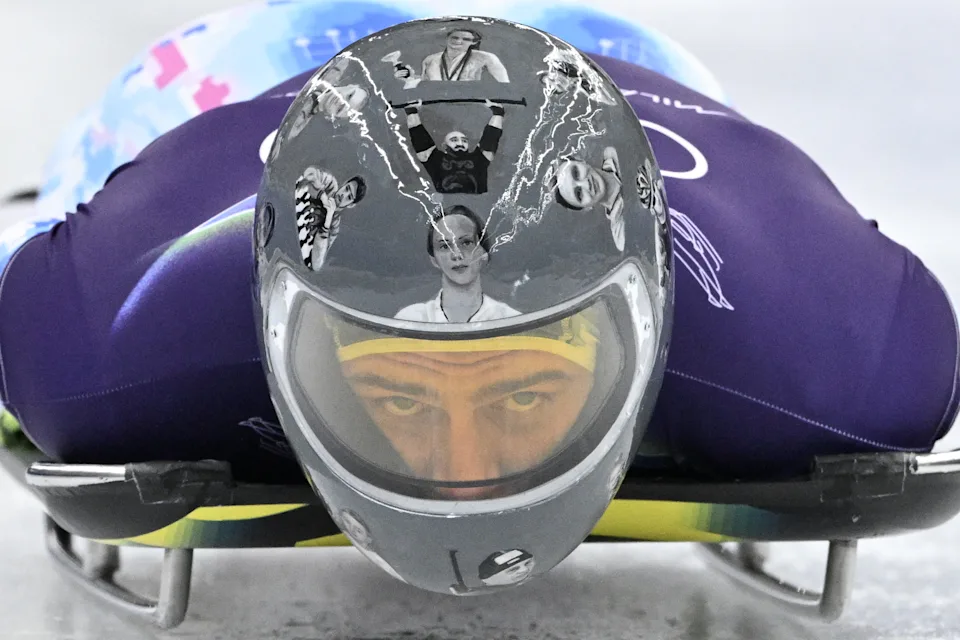
Vladyslav Heraskevych, a skeleton athlete representing Ukraine, was prohibited from participating in the Milano Cortina Winter Olympics after he declined to remove a helmet that paid homage to athletes and coaches who lost their lives amid Russia’s ongoing invasion of Ukraine.
IOC’s Position and Meeting with Athlete
The International Olympic Committee (IOC) made the announcement on Thursday following a discussion between Heraskevych and IOC President Kirsty Coventry, held just before the skeleton event commenced. The IOC emphasized that their decision was not a condemnation of the tribute’s message but rather concerned the venue where it was displayed.
“The IOC was eager for Mr. Heraskevych to compete,” the committee stated. “We sought ways to honor his desire to remember fellow athletes who perished after Russia’s invasion of Ukraine, but the issue was the location of the expression.”
Appeal and Emotional Impact
Heraskevych intends to challenge the IOC’s ruling by appealing to the Court of Arbitration for Sport. Speaking outside the sliding center, he described the experience as profoundly empty and difficult to articulate.
Meaning Behind the Helmet
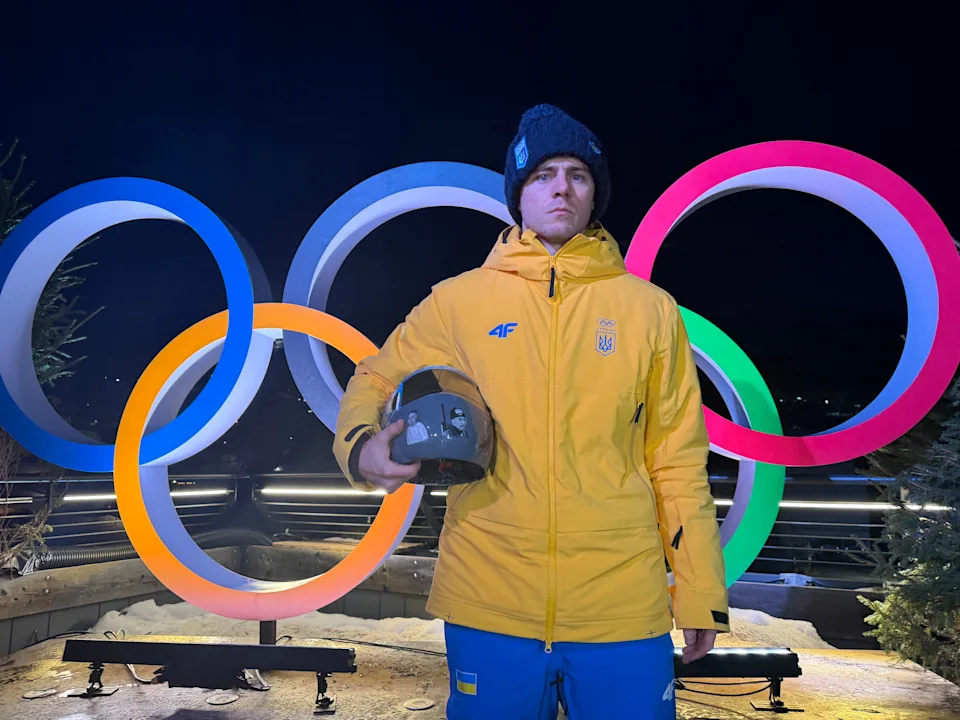
The helmet worn by Heraskevych bore images of over 20 Ukrainian sports figures who have died since the conflict began nearly four years ago. Among those commemorated was figure skater Dmytro Sharpar, a fellow competitor from the 2016 Winter Youth Olympics.
IOC’s Rules on Political Statements and Alternatives Offered
The IOC determined that the helmet contravened its strict ban on political messaging during competitions. Officials proposed alternative ways for Heraskevych to honor the fallen, such as wearing a black armband or ribbon, and permitted him to carry the helmet in the mixed zone post-race. However, the athlete rejected these options, asserting that his helmet was a tribute rather than a political statement.
“This is the price of our dignity,” Heraskevych wrote on X (formerly Twitter) following the IOC’s announcement.
Preemptive Statement and Historical Context
Anticipating the IOC’s decision, Heraskevych posted the night before the event: “For me, the sacrifice of the people depicted on the helmet means more than any medal ever could — because they gave the most precious thing they had.”
Previous Olympic Protest
This is not Heraskevych’s first public demonstration against Russia’s military actions. At the 2022 Beijing Winter Olympics, he displayed a small sign reading “No war in Ukraine” after his final run, just two weeks prior to Russia’s full-scale invasion.
Global Reactions and the Debate Over Expression at the Games
Heraskevych’s defiance has sparked widespread international discussion, underscoring the ongoing conflict between athletes’ rights to personal expression and the IOC’s regulations designed to maintain political neutrality during the Olympic Games. As of 2024, this debate continues to challenge the boundaries of free speech within global sporting events.
