
Table of Contents
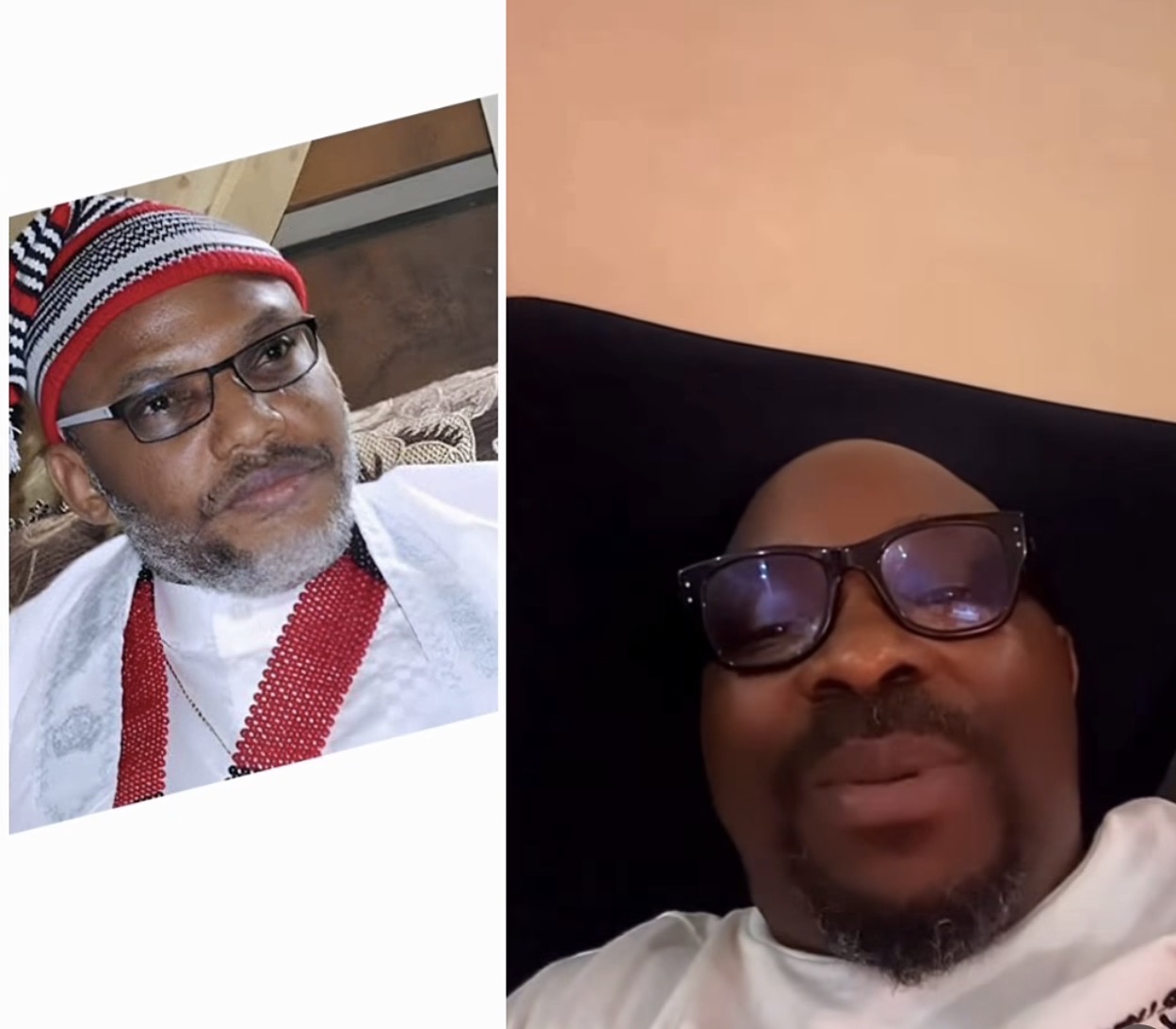
Isaac Fayose Critiques Igbo Community’s Response to Political Activism
Businessman Isaac Fayose recently expressed his views on the political dynamics within Nigeria’s ethnic groups, particularly focusing on the Igbo people. He suggested that the Igbo are highly susceptible to financial influence, implying that monetary incentives can easily sway their actions and loyalty.
Contrasting Reactions: Yoruba Solidarity vs. Igbo Silence
In a widely circulated video, Fayose highlighted the contrasting responses between the Yoruba and Igbo communities regarding their respective secessionist leaders. He pointed out how the Yoruba united effectively to secure the release of Sunday Igboho, a prominent advocate for the Yoruba nation, following his arrest. This collective effort showcased a strong sense of solidarity and mobilization within the Yoruba ethnic group.
Conversely, Fayose criticized the Igbo for their apparent silence and inactivity since the detention of Nnamdi Kanu, the leader of the Indigenous People of Biafra (IPOB). He accused many Igbos of fraternizing with those responsible for Kanu’s imprisonment, suggesting a disconnect between the community’s interests and their actions.
Political Implications and Community Dynamics
Fayose’s commentary sheds light on the broader political and social challenges facing Nigeria’s ethnic groups. The Yoruba’s proactive stance in rallying behind Igboho contrasts sharply with the perceived passivity among the Igbo regarding Kanu’s incarceration. This divergence may reflect deeper issues related to political strategy, community cohesion, and the influence of external factors such as financial incentives.
Recent statistics indicate that ethnic-based political mobilization remains a significant force in Nigeria’s socio-political landscape, with over 60% of political movements rooted in ethnic identity as of 2023. This context underscores the importance of unity and strategic action within communities advocating for self-determination or political change.
Watch the Full Video Commentary
For a firsthand account of Isaac Fayose’s perspective, view the video below where he elaborates on these issues and offers his candid assessment of the current state of ethnic activism in Nigeria.
