
Table of Contents
Nigerian Naira Maintains Stability Against US Dollar in Early February 2026
Published by Linda Ikeji on February 9, 2026, 8:56 AM
Official Forex Market Shows Slight Naira Appreciation
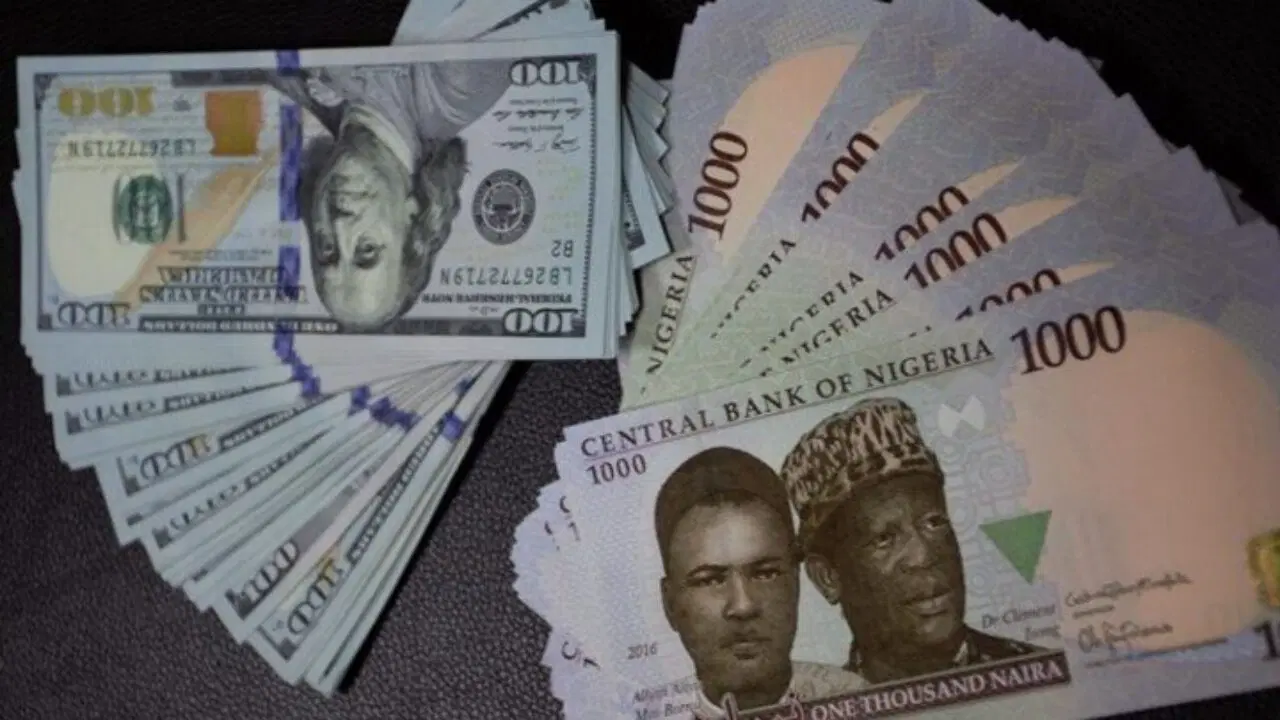
At the Nigerian Foreign Exchange Market (NFEM), the naira experienced a modest gain, trading at approximately ₦1,363.84 per dollar at the start of the week. This marks a slight improvement compared to Friday’s closing rate of ₦1,366.96, reflecting renewed market activity after the weekend.
Trading within the official window remained relatively stable, with exchange rates fluctuating narrowly between ₦1,363.35 and ₦1,363.84 during early sessions. Analysts attribute this steadiness to the Central Bank of Nigeria’s (CBN) ongoing management of the Electronic Foreign Exchange Matching System (EFXMS), which has enhanced market transparency and minimized distortions across various trading platforms.
Despite inflation hovering at 15.15% and the Monetary Policy Rate steady at 27.00% in early 2026, the naira has successfully stayed below the ₦1,400 mark, signaling controlled currency depreciation amid challenging economic conditions.
Parallel Market Exhibits Controlled Dollar Demand
In the informal foreign exchange market, the dollar also maintained a steady trajectory. Bureau De Change operators in major urban centers such as Lagos, Abuja, and Kano quoted rates ranging from ₦1,440 to ₦1,455 per dollar. Although the parallel market continues to trade at a premium compared to the official rates, the disparity has narrowed significantly from the volatile fluctuations observed in late 2025.
Market participants report that demand for foreign currency, primarily driven by personal travel and small-scale import activities, is being adequately met without exerting excessive pressure on supply. This balanced demand-supply dynamic has curtailed speculative trading, contributing to the overall market calm.
The CBN’s strategic initiative to channel substantial corporate foreign exchange requirements through the official market appears effective in mitigating abrupt price surges in the parallel segment, fostering a more orderly forex environment.
Broader Economic Factors Influencing Naira Stability
Nigeria’s external reserves, which stood at approximately $40 billion as of early 2026, provide a critical buffer supporting the naira’s stability. Additionally, government efforts to diversify revenue sources beyond oil exports and enhance foreign investment inflows have contributed positively to the foreign exchange market dynamics.
For comparison, similar emerging markets like Kenya and Ghana have experienced more pronounced currency volatility in recent months, underscoring Nigeria’s relative success in managing exchange rate pressures through coordinated fiscal and monetary policies.
