
Table of Contents
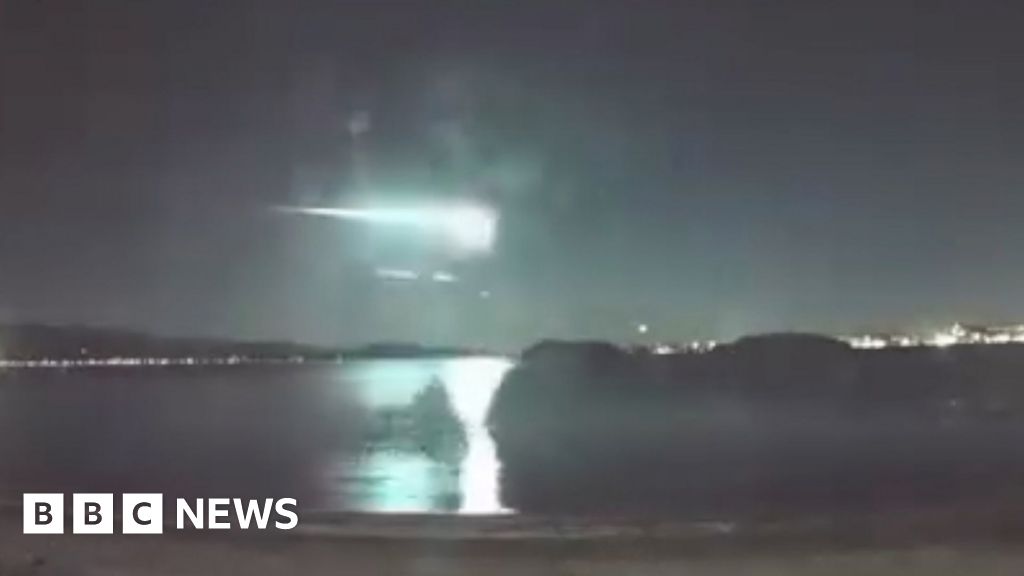
Brilliant Light Streak Observed Over Wellington, New Zealand
Possible Origins: Meteor or Re-entering Space Debris?
Experts suggest that the glowing streak could either be a meteor entering Earth’s atmosphere or fragments of space debris burning up upon re-entry. Such events have become increasingly common, with the global increase in satellite launches contributing to more frequent sightings of space debris. According to recent data from the European Space Agency, over 34,000 pieces of debris larger than 10 cm orbit the Earth, posing ongoing challenges for space safety.
Capturing Celestial Events: The Role of Modern Technology
The use of webcams and other remote imaging devices has revolutionized the way we observe transient astronomical events. Similar to the recent sighting over Wellington, a spectacular meteor blaze was recorded over the Australian outback last month, captivating skywatchers and scientists alike. These recordings not only provide stunning visuals but also valuable data for researchers tracking the frequency and trajectory of such phenomena.
Understanding Atmospheric Fireballs and Their Impact
Fireballs, or exceptionally bright meteors, occur when larger space objects enter the atmosphere at high speeds, creating intense light and heat. While most burn up harmlessly, some fragments can reach the ground as meteorites. Events like the one over Wellington remind us of the dynamic nature of our planet’s interaction with space objects and the importance of monitoring these occurrences for both scientific insight and public safety.
