
Table of Contents
Tragic Death of LASUTH Ambulance Driver Inside Hospital Restroom
Aliye Saka, widely known as Baba Niye, an employee at Lagos State University Teaching Hospital (LASUTH), tragically passed away while inside a restroom located within the hospital grounds.
Details Surrounding the Incident
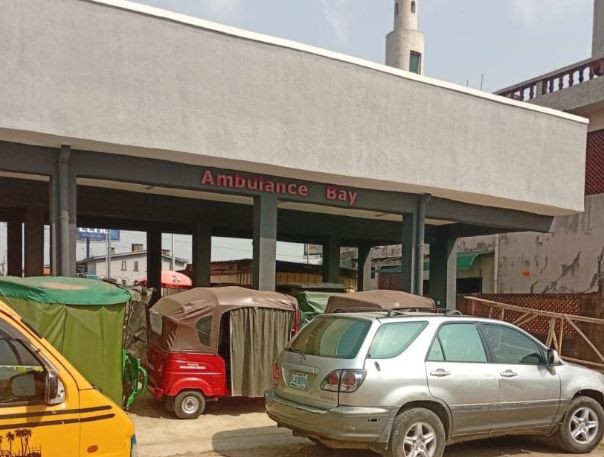
The deceased, who served as an ambulance driver stationed at LASUTH’s ambulance bay, was found lifeless on Monday, January 26. Reports from the Nigerian Tribune indicate that he died while using the hospital’s toilet facilities.
Eyewitness Account from Hospital Vendor
A food vendor at LASUTH, who identified herself as Mama Bola, expressed her disbelief over the sudden death, emphasizing that Baba Niye had shown no prior signs of illness. She recounted that he was discovered seated in the restroom several hours after entering.
“He excused himself to use the toilet, but when another person knocked and received no reply, concern grew,” she explained. “About an hour later, the individual returned, still without response, and eventually forced the door open to find Baba Niye’s body. I had seen him earlier that day, and he appeared perfectly healthy, so this was a shock to all of us.”
Official Confirmation and Union Response
Dr. Babalola, a medical professional at LASUTH, verified the occurrence of the incident. Meanwhile, Comrade Odedeyi Adekunle, Chairman of the Joint Health Sector Unions (JOHESU) at LASUTH, acknowledged that the deceased was a union member but refrained from providing further details, stating, “I am only authorized to address union-related matters.”
Context and Broader Implications
Sudden deaths in workplace environments, especially within healthcare settings, raise concerns about employee health monitoring and emergency response protocols. According to the World Health Organization, sudden cardiac events remain a leading cause of unexpected fatalities globally, underscoring the importance of regular health screenings for frontline workers.
This incident highlights the need for hospitals to ensure that staff have access to timely medical evaluations and that emergency procedures are in place to respond swiftly to such emergencies. Comparable cases in other medical institutions have prompted reviews of occupational health policies to better safeguard employees.
