
Table of Contents
Naira Depreciates Amid Persistent Domestic Forex Supply Challenges
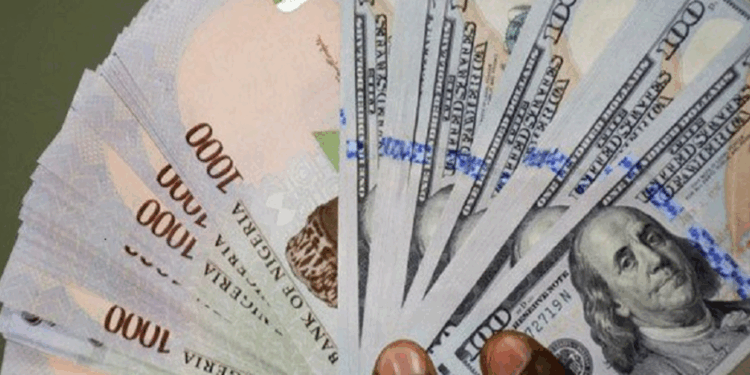
The Nigerian naira concluded the week on a weaker note at the official foreign exchange market, settling at ₦1,421.90 per US dollar. This decline was primarily driven by ongoing domestic supply shortages, which overshadowed the generally favorable global conditions for the US dollar.
Market Dynamics and Currency Performance
According to recent data compiled by the Central Bank of Nigeria (CBN) alongside analysis from Nairametrics, the naira experienced slight depreciation throughout the week. This occurred despite a global environment where the US dollar showed signs of easing against other major currencies.
Structural Challenges in Nigeria’s Forex Landscape
The persistent pressure on the naira underscores the structural imbalances within Nigeria’s foreign exchange market. Both the official exchange window and the parallel (black) market continue to reflect significant stress, highlighting the ongoing mismatch between forex demand and supply domestically.
Broader Implications and Recent Trends
Recent statistics reveal that the naira has depreciated by approximately 5% against the dollar over the past quarter, signaling sustained vulnerability. This trend is exacerbated by factors such as reduced foreign investment inflows and fluctuating oil revenues, which remain critical to Nigeria’s forex reserves.
Comparative Insight: Currency Pressures in Emerging Markets
Similar to Nigeria, other emerging economies like South Africa and Turkey have faced currency depreciation due to internal economic constraints despite global dollar softness. For instance, the South African rand weakened by 3% last month amid local political uncertainties, illustrating how domestic issues can outweigh global currency trends.
Outlook and Strategic Considerations
To stabilize the naira, policymakers may need to enhance forex supply mechanisms, diversify revenue sources, and implement reforms that boost investor confidence. Monitoring global economic shifts alongside domestic fiscal policies will be crucial in navigating the naira’s trajectory in the coming months.
