
Table of Contents
Humanitarian Crisis in Nigeria: Urgent Need Amidst Funding Shortfalls
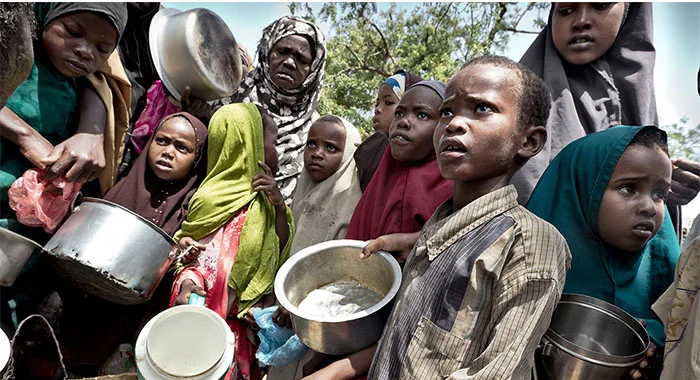
The United Nations Office for the Coordination of Humanitarian Affairs (OCHA) has revealed that approximately 35 million Nigerians are currently vulnerable to severe food insecurity in 2026. Among these, around 3 million children are suffering from critical malnutrition, highlighting a deepening humanitarian emergency.
Escalating Challenges in Northeast Nigeria
At the unveiling of the 2026 humanitarian strategy in Abuja, UN Resident and Humanitarian Coordinator Mohamed Malick Fall emphasized that the traditional foreign-driven aid framework is no longer viable given Nigeria’s expanding needs. The northeast region, particularly Borno, Adamawa, and Yobe states, continues to endure escalating violence. In the first eight months of 2025 alone, over 4,000 fatalities were recorded due to a surge in suicide bombings and widespread attacks-matching the total deaths for the entire previous year.
Funding Constraints and Impact on Aid Delivery
The UN’s humanitarian assistance budget for Nigeria has been drastically reduced, with only $516 million available to support 2.5 million people in 2026. This is a significant decline from 3.6 million beneficiaries in 2025, which itself was half the number reached the year before. Fall stressed that these figures represent real lives and futures at stake, not just statistics.
Due to the funding gap, the UN is compelled to prioritize the most critical life-saving interventions. Last year’s shortfall forced the World Food Programme to scale back aid, leaving over 300,000 children without essential nutritional support and raising fears of widespread hunger.
Growing National Commitment to Crisis Management
Despite these challenges, Nigeria has demonstrated increased ownership of its humanitarian response. Recent initiatives include mobilizing local resources to provide food assistance during lean seasons and implementing early-warning systems to mitigate flood risks. These efforts mark a positive shift towards sustainable, locally driven crisis management.
Looking Ahead: The Need for Sustained Global Support
With the humanitarian situation worsening and aid budgets shrinking globally, the international community’s continued engagement is crucial. Strengthening partnerships and increasing funding will be vital to prevent further deterioration and to support Nigeria’s path toward resilience.
