
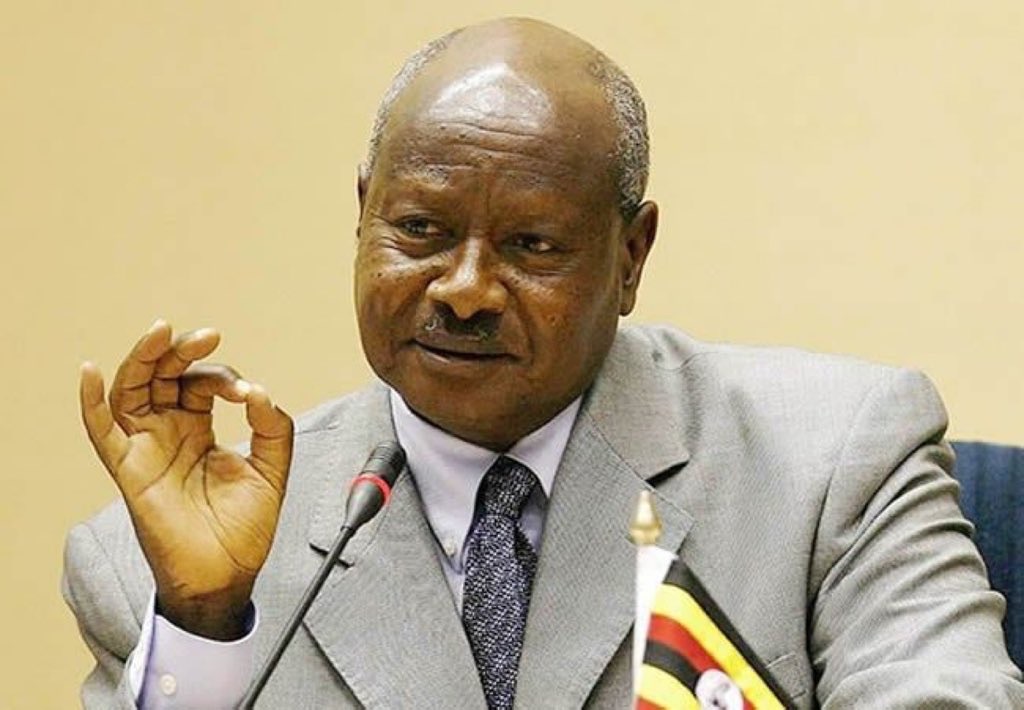
President Yoweri Museveni of Uganda has been declared the winner of the country’s latest presidential election, extending his tenure in office to 40 years, solidifying his status as one of Africa’s longest-serving leaders.
Electoral authorities announced that Museveni secured victory in the national polls held earlier this month, a result that confirms his continued leadership of Uganda. The announcement marks another term for Museveni, whose rule began in 1986 following a protracted armed struggle that brought him to power.
The outcome once again places Museveni at the helm of Uganda’s political landscape, continuing a leadership era characterised by long-standing influence over government, security, and public policy in the East African nation.
Details of the election results, including vote margins and regional breakdowns, have been released by the Electoral Commission of Uganda, which said the process met the constitutional requirements for declaring a winner under the country’s electoral laws.
Reaction at Home and Abroad
Immediately following the declaration, reactions poured in both domestically and internationally. Supporters of Museveni have celebrated the outcome, applauding his stewardship and highlighting accomplishments in infrastructure, stability, and long-term governance.
However, critics and opposition figures have raised concerns over electoral fairness, voter participation, and political pluralism. Some civil society groups and international observers have called for greater transparency and reforms in Uganda’s democratic institutions.
What This Means for Uganda
Museveni’s extended leadership will see him continue to set executive direction in policy areas including economic development, regional diplomacy, and security. His tenure has coincided with significant changes in governance structures, foreign policy engagement, and political dynamics both within Uganda and across the East African region.
As Uganda prepares for another chapter under Museveni’s administration, analysts expect sustained focus on national development plans and strategic partnerships, even as debates over democratic governance and electoral reform continue to shape public discourse.
