
Table of Contents
Ibrahim Yar’adua Welcomes Third Wife, Expanding His Family
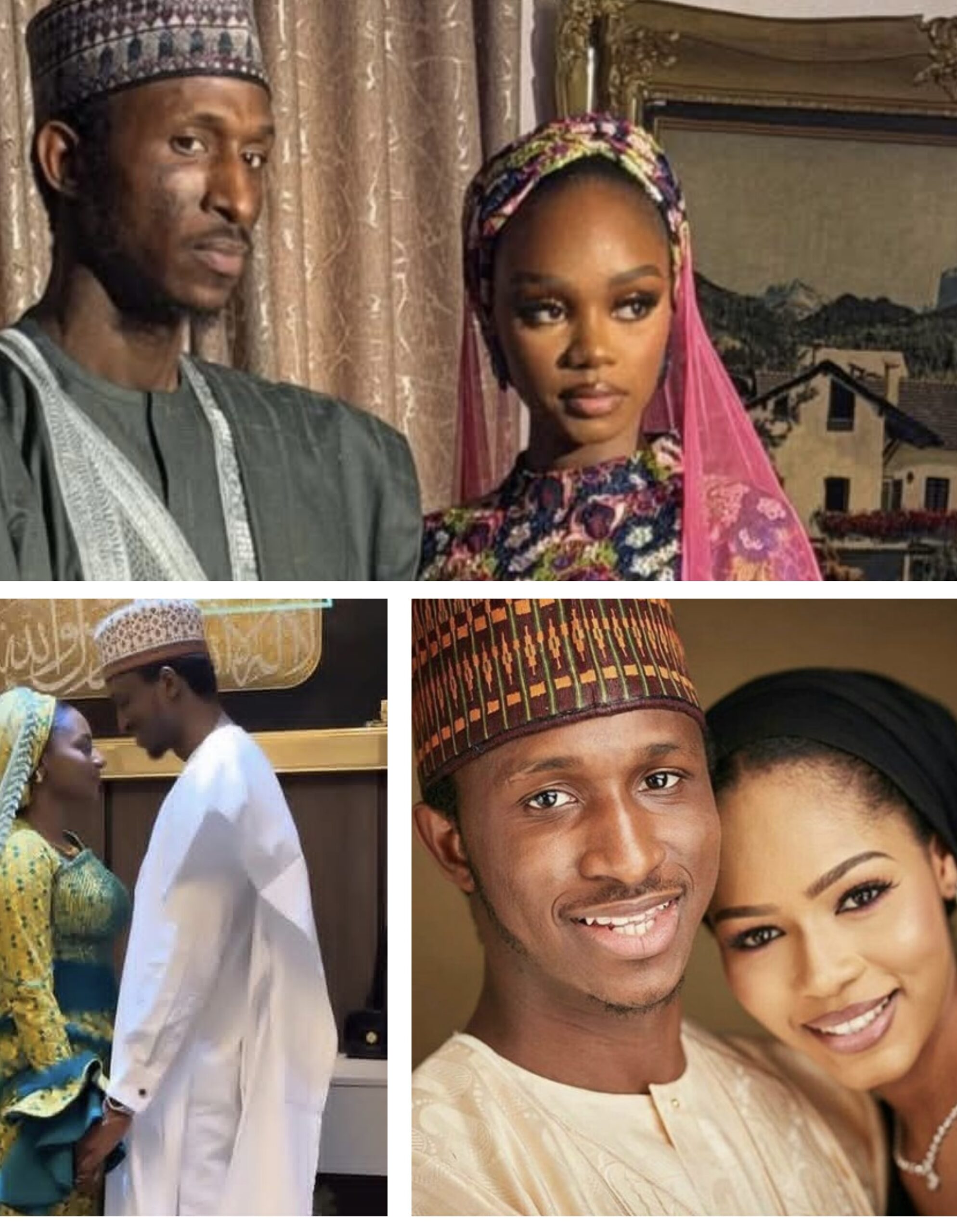
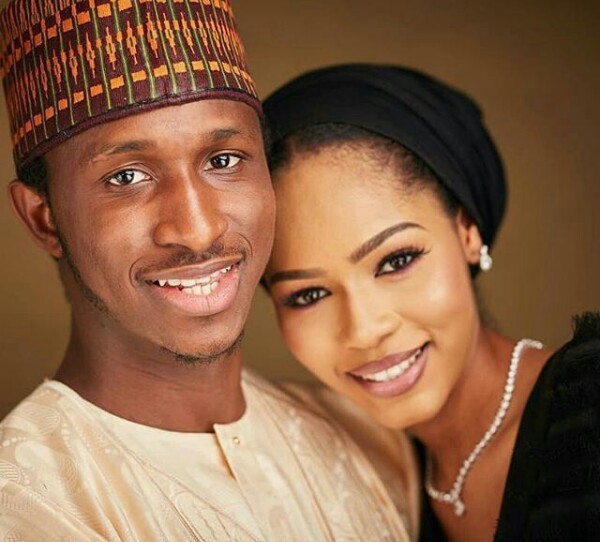
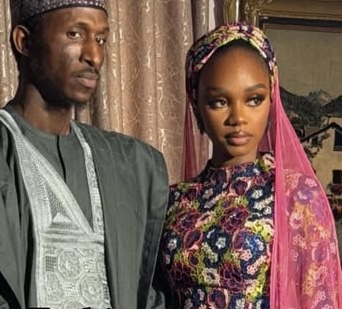
Ibrahim Yar’adua, son of the late Nigerian President Umaru Musa Yar’adua, has recently entered into marriage with his third wife, Faiza. This development follows two years after his union with his second wife, Amira, who is notably the daughter of Muhammad Babandede, the former Comptroller General of the Nigeria Immigration Service (NIS).
Marriage Timeline and Family Growth
In 2018, Ibrahim Yar’adua married his first wife, Saratu Sodangi, a practicing lawyer. Since then, his family has grown with the addition of Amira in 2021 and now Faiza, marking his third marriage. This pattern reflects a continuation of polygamous traditions that remain prevalent in various Nigerian cultures.
Contextualizing Polygamy in Modern Nigeria
Polygamous marriages, while less common in many parts of the world, continue to be culturally significant in Nigeria. According to recent studies, approximately 30% of Nigerian men in certain regions practice polygamy, often as a symbol of social status and family expansion. Ibrahim’s marriages align with this cultural framework, illustrating the ongoing relevance of such traditions among prominent families.
Notable Connections and Social Influence
Each of Ibrahim’s marriages has linked him to influential Nigerian families. His second wife, Amira, connects him to the former leadership of the Nigeria Immigration Service, highlighting the intertwining of political and social networks. These alliances often play a role in consolidating influence and fostering relationships within Nigeria’s elite circles.

Looking Ahead
As Ibrahim Yar’adua continues to build his family, his personal life remains a subject of public interest, reflecting broader societal conversations about tradition, modernity, and family structures in Nigeria. His marriages underscore the dynamic nature of cultural practices and their adaptation in contemporary Nigerian society.
