
Table of Contents
NAFDAC Confirms Safety of Nestlé Infant Formula in Nigeria Amid UK Recall
The National Agency for Food and Drug Administration and Control (NAFDAC) has provided reassurance to Nigerian consumers regarding the safety of Nestlé infant formula products available locally. Contrary to recent recalls affecting over 50 countries, NAFDAC confirms that the infant formulas sold in Nigeria remain safe and unaffected.
Clarification on the UK Recall and Its Impact on Nigeria
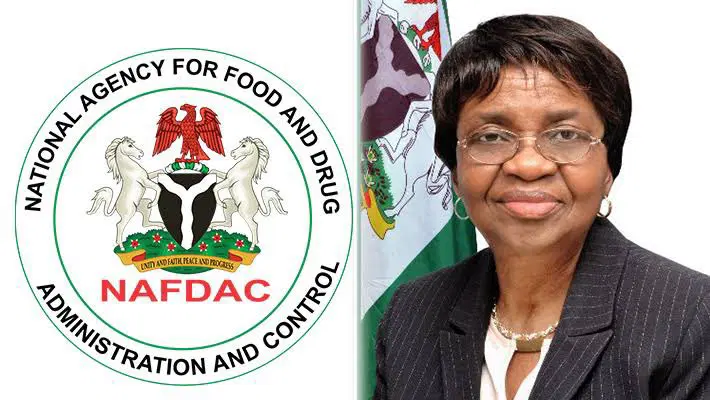
On January 12, Prof. Mojisola Adeyeye, Director-General of NAFDAC, addressed public concerns following Nestlé UK’s voluntary withdrawal of certain batches of SMA Infant Formula and Follow-On Formula. The recall was initiated due to the potential contamination with cereulide, a toxin linked to symptoms such as nausea and vomiting.
Prof. Adeyeye emphasized that the recalled products pertain exclusively to specific UK-manufactured batches that have never been registered or authorized for sale in Nigeria. “NAFDAC did not approve the UK batches involved in the recall,” she clarified, underscoring that Nigerian consumers are not at risk from these products.
Locally Approved Nestlé Infant Formula Products
NAFDAC confirmed that the SMA infant formulas available in Nigeria are produced at Nestlé’s Tuas facility in Singapore and are fully registered with the agency. These include:
- SMA Gold 1 (NAFDAC Reg. No. B1-2783)
- SMA Gold 2 (NAFDAC Reg. No. B1-2780)
- SMA Gold 3 (NAFDAC Reg. No. B1-2781)
Additionally, both SMA and NAN infant formula lines marketed in Nigeria are not implicated in the international recall.
Understanding the Recall: Cereulide Toxin and Public Health Precautions
The recall abroad was prompted by concerns over cereulide, a heat-stable toxin produced by certain Bacillus cereus strains. This toxin is resistant to typical cooking temperatures and can cause gastrointestinal distress. However, NAFDAC stresses that the recall is a precautionary measure, reflecting global vigilance rather than confirmed contamination in Nigerian products.
“Our mandate includes alerting Nigerians to emerging international food safety issues, even when the risk of local exposure is minimal,” Prof. Adeyeye stated, highlighting NAFDAC’s proactive approach to consumer protection.
Risks from Unauthorized Imports and Online Purchases
While the officially registered products are safe, NAFDAC warns against the dangers posed by unregulated imports, smuggled goods, and online purchases from unverified sources. Such channels may introduce recalled or substandard products into the Nigerian market, posing health risks.
“Consumers should be cautious, as the safety of smuggled or unapproved products cannot be guaranteed,” the agency advised.
NAFDAC’s Commitment to Infant Nutrition Safety
NAFDAC continues to enforce rigorous regulatory controls, including product registration, routine inspections, and post-market surveillance, to ensure all infant nutrition products meet stringent safety, quality, and labeling standards.
“Protecting the health of Nigerian infants and vulnerable groups remains our top priority. We will act swiftly against any product that threatens public health,” Prof. Adeyeye affirmed.
Guidance for Consumers
NAFDAC encourages the public to seek information exclusively from official sources and to report any suspected recalled products. Consumers who identify such products should dispose of them safely and notify the nearest NAFDAC office or contact the agency’s toll-free line at 0800-162-3322.
Furthermore, any adverse reactions linked to infant formula consumption should be reported through NAFDAC’s official electronic reporting platforms to facilitate prompt investigation and response.
Additional Context
Globally, food safety authorities have increasingly adopted precautionary recalls to mitigate risks from contaminants like cereulide. For example, in 2023, the European Food Safety Authority (EFSA) reported a 15% increase in recalls related to Bacillus cereus toxins, underscoring the importance of vigilant monitoring.
NAFDAC’s transparent communication and regulatory diligence align with international best practices, ensuring Nigerian consumers remain protected amid evolving global food safety challenges.
